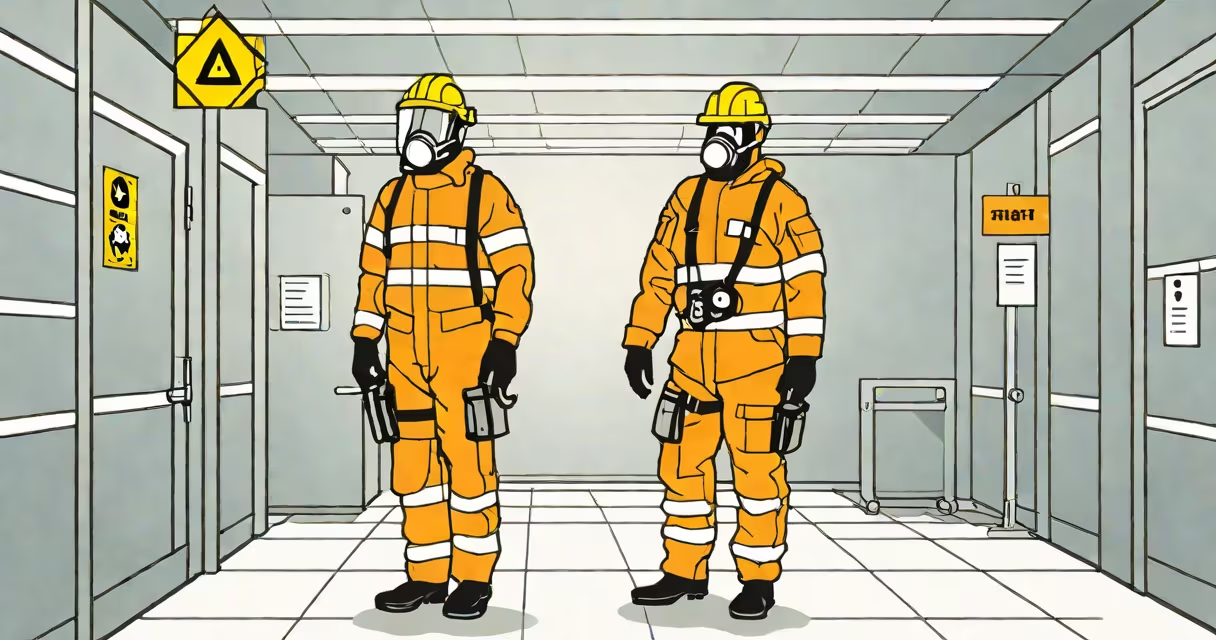
Safety means different things to different people: physical protection from harm, emotional security in relationships, or predictable systems that prevent accidents. It's not a single standard but a layered concept shaped by context, culture, and individual experience.
At its core, safety is the absence of danger, risk, or injury. But in practice, it extends beyond that. It includes psychological comfort, the ability to make decisions without fear, and environments designed to minimize harm. For example, a construction worker relies on hard hats and fall protection-physical safety. A child in a stable home relies on consistent routines and emotional support-emotional safety.
The World Health Organization defines safety as "the condition in which individuals and communities are protected from harm, illness, and injury." The National Institute for Occupational Safety and Health (NIOSH) adds that safety involves proactive hazard identification and control. These definitions show safety isn't passive-it requires ongoing effort to maintain.
Safety operates differently depending on setting. In workplaces, it's governed by regulations like OSHA standards. In homes, it's about smoke detectors, locked doors, and safe appliances. In relationships, it's about respect, honesty, and boundaries.
Consider a school classroom. Physical safety means fire exits are unobstructed, glass is shatterproof, and emergency drills happen quarterly. Emotional safety means students feel free to speak without ridicule, teachers respond calmly to mistakes, and bullying is addressed immediately. Both forms are essential. A student may be physically safe but emotionally unsafe if they're constantly anxious or excluded.
A 2021 NIOSH study found that workers in high-stress environments reported lower safety perceptions even when accident rates were low. This shows that safety isn't just about outcomes-it's about feeling secure. When employees trust leadership and report concerns without fear, safety improves.
Not all safety is the same. Here's how key types differ:
| Type | Focus Area | Example | Key Metric |
|---|---|---|---|
| Physical | Bodily harm prevention | Fire extinguisher in a kitchen | Incident rate per 100,000 hours |
| Emotional | Psychological well-being | Team meeting where all voices are heard | Employee survey scores on trust |
| Environmental | Systemic risk reduction | Automated shut-off valves in chemical plants | Number of near-misses prevented |
| Financial | Stability against loss | Emergency fund for unexpected medical bills | Household savings ratio |
Each type demands different tools. Physical safety uses PPE and engineering controls. Emotional safety uses communication norms and conflict resolution training. Environmental safety relies on process design and monitoring systems. Financial safety depends on planning and access to resources.
One common mistake is treating safety as a checklist. A company might install handrails and call it "safe" while ignoring employee burnout. That's a failure to recognize that safety is multidimensional. A 2020 study in the Journal of Applied Psychology showed teams with high psychological safety had 30% fewer errors-even when physical safety measures were equal.
People often confuse safety with certainty. But safety doesn't eliminate risk-it manages it. You can't guarantee no injuries in a factory, but you can reduce the likelihood through training, maintenance, and reporting systems.
Another misconception is equating safety with restriction. Some assume that tight rules mean safety. But excessive control can erode trust. A hospital that bans all patient visits during recovery may reduce infection risk-but harms mental health. Balancing safety with autonomy is critical.
There's also a cultural gap. In some regions, safety is seen as government responsibility. In others, it's a shared duty. A 2019 WHO report noted that countries with strong community-based safety programs saw 40% lower injury rates in children under 10 compared to those relying solely on top-down enforcement.
I once led a team that experienced a minor chemical spill. The facility had proper ventilation and spill kits-physical safety was intact. But the team members froze. They didn't know who to report to, and no one had practiced the response. The real issue wasn't equipment-it was psychological safety. After that, we held monthly drills and created anonymous reporting channels. Within six months, incident reports increased-but so did confidence. People felt safer speaking up.
This taught me that safety isn't just about preventing harm. It's about creating conditions where people can act without fear of blame. That's what makes safety meaningful.
Asking "what does safety mean to you" forces reflection. It moves the conversation from policy to lived experience. It reveals gaps between institutional safety and personal perception.
For organizations, this question is strategic. A company that asks employees about their safety concerns gets better data than one that only tracks accidents. For families, it opens dialogue about stress, boundaries, and support.
When you ask someone, "What does safety mean to you?" you're not seeking a definition. You're asking them to share a piece of their world. That's where real understanding begins.