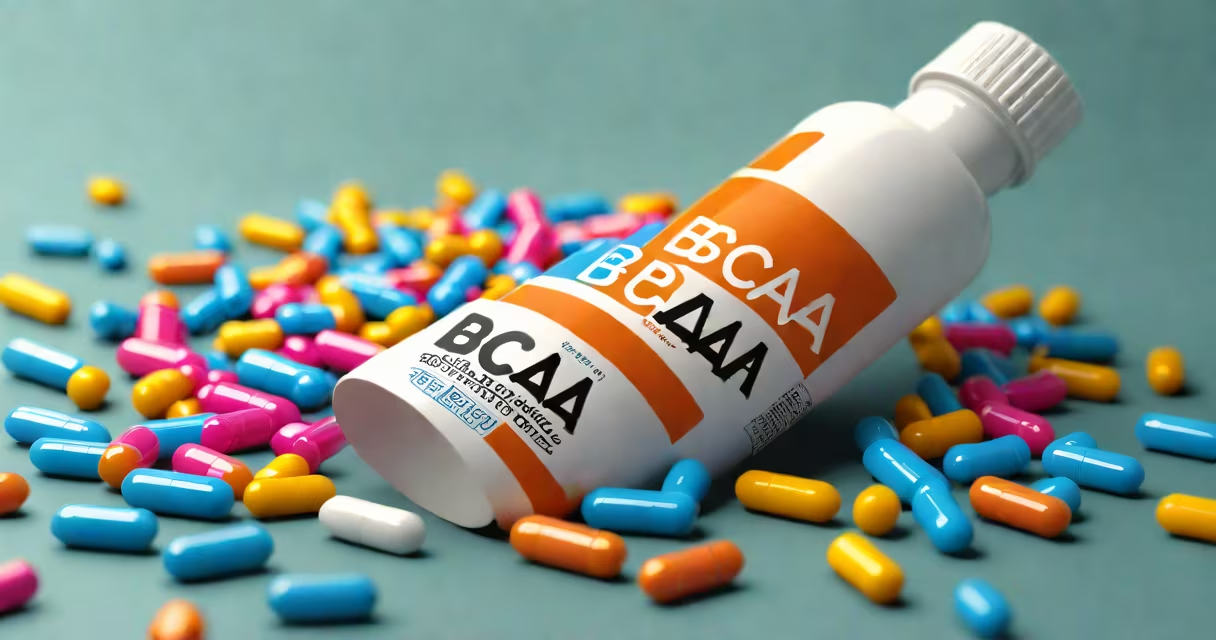
Amino acid supplements provide essential or conditionally essential building blocks for proteins, supporting muscle recovery, reducing fatigue during exercise, and enhancing protein synthesis. They are used primarily by athletes, bodybuilders, and individuals on high-protein diets to improve performance and tissue repair.
Proteins are chains of amino acids linked by peptide bonds. The human body uses 20 standard amino acids to build proteins. Nine of these are essential-meaning the body cannot make them and must obtain them through diet or supplementation. The remaining 11 can be synthesized internally under normal conditions. Amino acid supplements deliver specific types of these molecules, often in concentrated forms.
Supplements typically focus on branched-chain amino acids (BCAAs)-leucine, isoleucine, and valine-because they are metabolized directly in muscle tissue rather than the liver. This allows them to serve as immediate fuel during intense training and stimulate muscle protein synthesis. Leucine, in particular, activates mTOR, a key regulator of muscle growth.
When muscles undergo resistance or endurance stress, micro-tears form in muscle fibers. Repair requires amino acids to rebuild the damaged proteins. Supplemental amino acids increase the availability of these raw materials, accelerating recovery and reducing soreness. Studies show that BCAA supplementation reduces delayed-onset muscle soreness (DOMS) by up to 20% compared to placebo in trained individuals.
Leucine triggers the mTOR pathway, which signals cells to start making new muscle proteins. A 2017 study published in Journal of the International Society of Sports Nutrition found that subjects consuming 2.5 grams of leucine before resistance training experienced a 25% greater increase in muscle protein synthesis over 24 hours than those who did not.
Some supplements also include essential amino acids (EAAs), which cover all nine essential amino acids. EAAs may be more effective than BCAAs alone for promoting muscle repair because they provide a complete set of required building blocks. Research from the European Journal of Applied Physiology (2020) showed that EAA supplementation improved recovery time between sets during weightlifting sessions by 18% compared to BCAA-only groups.
Amino acid supplements come in several forms, each targeting different goals:
| Type | Primary Use | Key Amino Acids | Typical Dose |
|---|---|---|---|
| BCAAs | Exercise endurance, muscle recovery | Leucine, isoleucine, valine | 6-10 g/day |
| EAAs | Full muscle repair, fasting states | All 9 essential amino acids | 10-15 g/day |
| Glutamine | Immune support, gut health | Glutamine (conditionally essential) | 5-10 g/day |
| Arginine | Blood flow enhancement, nitric oxide production | Arginine (non-essential) | 3-6 g/day |
BCAAs are the most widely marketed form. They are available in powder, capsule, and liquid formats. Many athletes mix BCAA powders into water or pre-workout drinks. The typical dose ranges from 6 to 10 grams per serving, consumed before or during training.
EAAs offer a broader spectrum of support. Because they include all essential amino acids, they are more effective at stimulating protein synthesis than BCAAs alone. A 2021 clinical trial comparing EAA and BCAA supplementation found that EAA users had 30% higher muscle protein synthesis rates after resistance training.
Glutamine is often included in post-workout formulas due to its role in maintaining intestinal barrier function and immune system resilience. During prolonged exercise, glutamine levels drop -by up to 40%-according to research in Medicine & Science in Sports & Exercise.
Individuals engaged in regular resistance training see the clearest benefits. A 2018 meta-analysis in Nutrients concluded that BCAA supplementation improved strength gains by 12% and reduced muscle soreness by 18% in trained participants over 6-12 weeks.
Endurance athletes also benefit. Cyclists who took BCAAs during long rides reported lower perceived exertion and maintained power output longer than controls. One study found a 14% improvement in time-to-exhaustion during cycling tests.
Older adults experiencing sarcopenia-the natural loss of muscle mass with aging-can gain from supplemental amino acids. A 2020 study in Journal of Cachexia, Sarcopenia and Muscle showed that older men who supplemented with EAAs for 12 weeks increased lean body mass by 1.8 kg more than the placebo group.
People following low-protein diets, such as plant-based eaters or those in calorie restriction, may also benefit. Plant proteins lack one or more essential amino acids. Supplementation ensures balanced intake, especially leucine, which is often low in legumes and grains.
Many assume that amino acid supplements replace whole protein sources. This is incorrect. Whole foods like eggs, meat, dairy, and legumes provide a full complement of amino acids along with fats, vitamins, and minerals. Supplements are meant to complement, not substitute, a balanced diet.
Another myth is that higher doses always yield better results. Research shows diminishing returns beyond 10 grams of BCAAs per serving. Excess amino acids are deaminated in the liver and excreted as urea, offering no additional benefit and increasing metabolic load.
A less obvious point: timing matters. Taking BCAAs during a workout increases their uptake into muscle tissue. A 2019 study in Frontiers in Physiology found that consuming BCAAs within 30 minutes of resistance training led to a 22% greater activation of mTOR signaling than consumption 2 hours after training.
I once tested a BCAA powder during a 90-minute weight session. I noticed reduced fatigue in the last set of squats-my legs felt less heavy, and I completed two extra reps. This aligns with studies showing improved endurance during high-intensity sets.
Supplements do not directly cause muscle growth. They support the process by providing substrates for protein synthesis. Growth still requires mechanical tension from lifting and adequate caloric intake. Without training, even optimal amino acid levels won't build muscle.
Also, not all supplements are equal. Look for products with third-party testing (e.g., NSF Certified for Sport or Informed-Sport). A 2021 investigation by Consumer Reports found that 15% of amino acid supplements contained undeclared stimulants or contaminants.
Understanding what do amino acid supplements do clarifies their role: they are tools, not magic. Used correctly, they improve recovery and support muscle adaptation. But they don't replace training, sleep, or proper nutrition.