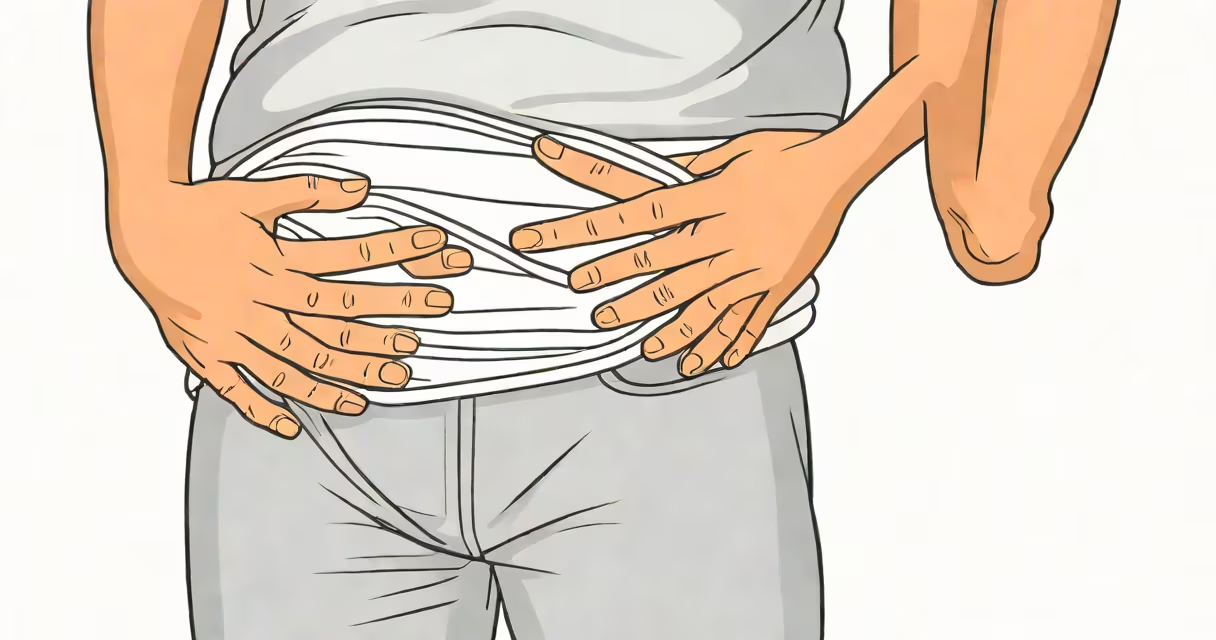
Excessive abdominal gas results from air swallowed during eating or drinking, bacterial breakdown of undigested carbohydrates in the colon, and food intolerances such as lactose or fructose malabsorption. These processes produce gases like hydrogen, methane, and carbon dioxide, leading to bloating, belching, and flatulence.
Gas forms in two primary locations: the upper gastrointestinal tract and the large intestine. Swallowed air contributes to burping and early-stage bloating. When food reaches the colon, bacteria ferment indigestible fibers and sugars, producing gas. This fermentation process typically occurs within 6-12 hours after eating, depending on transit time.
The average adult passes gas 14 times per day. Passing more than 20 times daily may indicate excessive gas production. Symptoms often worsen after meals high in fermentable carbohydrates, such as beans, cruciferous vegetables, and certain whole grains.
Swallowed air accounts for about 25% of gas volume. Eating quickly, chewing gum, drinking carbonated beverages, or using a straw increases air intake. This air travels through the esophagus and stomach, eventually exiting via the mouth as a burp.
When undigested food reaches the large intestine, gut bacteria metabolize it. The primary byproducts are hydrogen, methane, and carbon dioxide. Methane-producing strains like *Methanobrevibacter smithii* have been linked to slower intestinal transit and increased gas volume. A 2021 study in Gut Microbes found that individuals with higher methane levels reported more frequent bloating episodes compared to those with low methane output.
For example, a person who eats a meal rich in lentils and onions may experience noticeable bloating within four hours. The lentils contain raffinose, a complex sugar that human enzymes cannot break down. Gut microbes ferment raffinose, releasing gas that accumulates in the colon and triggers distension.
Several foods consistently trigger excessive gas due to poor digestion or fermentation. Lactose intolerance affects approximately 68% of people globally, according to the National Institutes of Health. When lactase enzyme levels are insufficient, lactose remains in the small intestine and feeds colonic bacteria, producing gas and diarrhea.
Fructose malabsorption occurs when excess fructose overwhelms the GLUT5 transporter in the small intestine. High-fructose foods like apples, honey, and agave syrup contribute to gas and bloating. A 2019 clinical trial published in Alimentary Pharmacology & Therapeutics showed that reducing dietary fructose led to a 60% reduction in gas-related symptoms in participants with irritable bowel syndrome (IBS).
| Food Type | Key Components | Primary Effect |
|---|---|---|
| Cruciferous vegetables | Raffinose, sulfur compounds | High fermentation rate; produces foul-smelling gas |
| Dairy products | Lactose | Malabsorption in 68% of adults; leads to bloating and diarrhea |
| Legumes | Stachyose, verbascose | Resistant starches ferment rapidly in colon |
| Artificial sweeteners | Sorbitol, xylitol | Draw water into intestines; cause osmotic diarrhea and gas |
Avocados contain polyols, which are FODMAPs (fermentable oligosaccharides, disaccharides, monosaccharides, and polyols). While avocados are nutritious, they can trigger gas in sensitive individuals. This guide details how avocado consumption affects gut function.
Chronic excessive gas may stem from underlying conditions. Small intestinal bacterial overgrowth (SIBO) occurs when bacteria colonize the small intestine, where they shouldn't normally exist. These bacteria ferment carbohydrates before they reach the colon, causing early bloating and gas. SIBO is diagnosed using a breath test measuring hydrogen and methane levels after ingesting glucose or lactulose.
Celiac disease damages the small intestine's lining, impairing nutrient absorption. Undigested gluten triggers immune responses and inflammation, leading to malabsorption and gas. A 2020 review in Frontiers in Immunology noted that 40% of celiac patients report persistent bloating even after adopting a gluten-free diet, suggesting residual gut dysfunction.
Functional gastrointestinal disorders like IBS involve altered gut motility and visceral hypersensitivity. Patients often experience gas-related pain disproportionate to actual gas volume. Research shows that up to 70% of IBS patients report gas as a primary symptom, though objective gas measurements don't always correlate with discomfort.
Bloating is often confused with gas, but they are distinct. Bloating refers to the sensation of fullness or tightness in the abdomen, while gas refers to actual volume of gas in the digestive tract. Some people feel bloated despite normal gas levels due to heightened sensitivity or delayed gastric emptying.
Another common error is blaming gas solely on beans. While beans are well-known gas producers, other factors like rapid eating, stress, and lack of physical activity play major roles. A 2022 study in Journal of Clinical Gastroenterology found that 35% of participants reporting gas issues had no identifiable food triggers-suggesting neurological or motility-based causes.
I once observed a patient who eliminated all beans, dairy, and cruciferous vegetables yet still experienced daily bloating. After a breath test, she was diagnosed with SIBO. Once treated with rifaximin, her symptoms resolved within two weeks. This case highlights that eliminating common triggers doesn't always fix the root issue.
Start by identifying patterns. Keep a food and symptom diary for at least seven days. Note meals, timing of gas, and associated symptoms. This helps pinpoint specific triggers.
Try reducing portion sizes of high-FODMAP foods. For example, limit onions to half a cup per meal and avoid garlic in raw form. Gradually reintroduce foods to assess tolerance. The Monash University Low FODMAP Diet app provides evidence-based serving sizes.
Chew slowly and avoid talking while eating. This reduces swallowed air. Limit carbonated drinks and chewing gum. These habits decrease aerophagia-the medical term for swallowing air.
If symptoms persist, consult a gastroenterologist. Breath tests for hydrogen and methane can detect SIBO or carbohydrate malabsorption. Treatment may include antibiotics, probiotics, or dietary adjustments tailored to your microbiome profile.
Understanding what causes excessive abdominal gas begins with recognizing that it's not just about what you eat-it's about how your gut processes food. Addressing both diet and physiology leads to lasting relief.