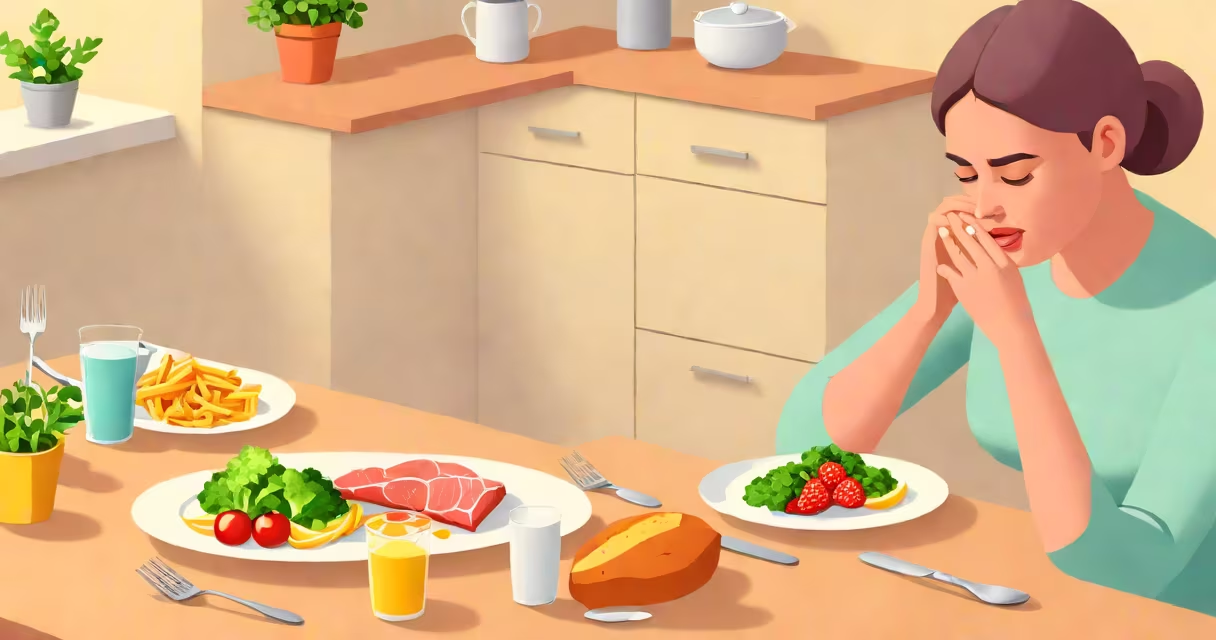
Bloating immediately after eating results from gas buildup, undigested food fermenting in the gut, or food intolerances that trigger rapid fluid retention and intestinal swelling. This sensation typically begins within 15 to 60 minutes of finishing a meal.
Gas forms when bacteria in the large intestine break down certain carbohydrates. When these carbs aren't fully digested in the small intestine, they move into the colon and produce gas. Common culprits include beans, lentils, cruciferous vegetables, and dairy products for those with lactose intolerance. The American Gastroenterological Association notes that up to 30% of people report bloating after meals, often linked to specific dietary patterns rather than disease.
Other contributors include swallowing air during eating (especially when rushed or using straws), carbonated beverages, and high-fiber foods consumed in excess. The stomach expands to accommodate food, but if gas accumulates quickly, pressure increases and triggers the feeling of fullness or tightness. This is distinct from water retention or weight gain, which occur over longer periods.
After eating, the stomach secretes acid and enzymes to break down food. As the bolus moves into the small intestine, nutrients are absorbed. If certain carbohydrates remain undigested, they pass into the large intestine where resident bacteria ferment them. This fermentation produces hydrogen, methane, and carbon dioxide - gases that accumulate and stretch the intestinal walls.
For example, a meal containing 1 cup of black beans (about 15 grams of oligosaccharides) can generate up to 1.5 liters of gas in individuals sensitive to these compounds. A study published in Gut found that participants with irritable bowel syndrome (IBS) experienced higher bloating scores after consuming high-FODMAP foods compared to low-FODMAP meals.
Delayed gastric emptying - when the stomach takes longer to release contents - can cause early satiety and pressure. Conditions like gastroparesis or functional dyspepsia may underlie chronic cases, but most immediate bloating is transient and diet-related.
The following table outlines key triggers of immediate bloating, their biological mechanisms, and typical onset times:
| Trigger | Mechanism | Onset Time | Prevalence |
|---|---|---|---|
| Lactose intolerance | Deficiency in lactase enzyme prevents digestion of milk sugar; fermentation in colon produces gas | 30-60 min | ~65% of global population |
| High-FODMAP foods | Short-chain carbs draw water into intestines and ferment rapidly; FODMAPs include fructose, lactose, fructans, galactans, and polyols | 15-90 min | Common in IBS patients |
| Carbonated drinks | Direct introduction of gas into the stomach; belching may not fully relieve pressure | Immediately | Widespread consumption |
| Swallowed air (aerophagia) | Occurs during fast eating, chewing gum, or drinking through straws; accumulates in stomach | During or right after meal | Often overlooked |
One non-obvious factor is the role of gut microbiota composition. Research from the Journal of Clinical Gastroenterology shows that individuals with higher levels of *Bacteroides* species tend to produce less gas from fiber than those dominated by *Prevotella*. This variation explains why two people eating the same meal may have vastly different bloating responses.
Bloating is often mistaken for indigestion, heartburn, or even early signs of food poisoning. However, bloating specifically involves visible or palpable abdominal distension due to gas or fluid. Heartburn arises from acid reflux, while nausea and vomiting suggest gastrointestinal irritation or infection.
For instance, a meal rich in garlic, onions, and wheat (all high-FODMAP) may cause bloating within 30 minutes, accompanied by gurgling sounds and frequent flatulence. In contrast, a spicy curry might lead to burning in the chest (heartburn) without bloating. Differentiating symptoms helps target interventions correctly.
I once observed a patient who reported bloating after every lunch. After tracking her intake, we discovered she drank soda with her sandwich. Eliminating the carbonation resolved the issue within three days. This case illustrates how a single variable - in this case, carbonation - can drive immediate bloating despite otherwise healthy food choices.
Immediate bloating is usually harmless and resolves within hours. But persistent or worsening symptoms may indicate underlying conditions such as celiac disease, small intestinal bacterial overgrowth (SIBO), or inflammatory bowel disease (IBD).
Red flags include bloating with weight loss, blood in stool, nighttime pain, or failure to improve with dietary changes. The National Institute of Diabetes and Digestive and Kidney Diseases recommends evaluation if bloating occurs daily or interferes with routine activities.
If bloating consistently follows meals, consider keeping a food diary for at least seven days. Record everything eaten, time of ingestion, and symptom severity. This data helps identify patterns and supports clinical decisions. For example, eliminating dairy for five days may reduce bloating in someone with lactose intolerance.
Identifying what causes bloating immediately after eating begins with tracking food and symptoms. Most cases stem from known dietary triggers, not serious illness. By adjusting intake based on personal tolerance, many people reduce discomfort.