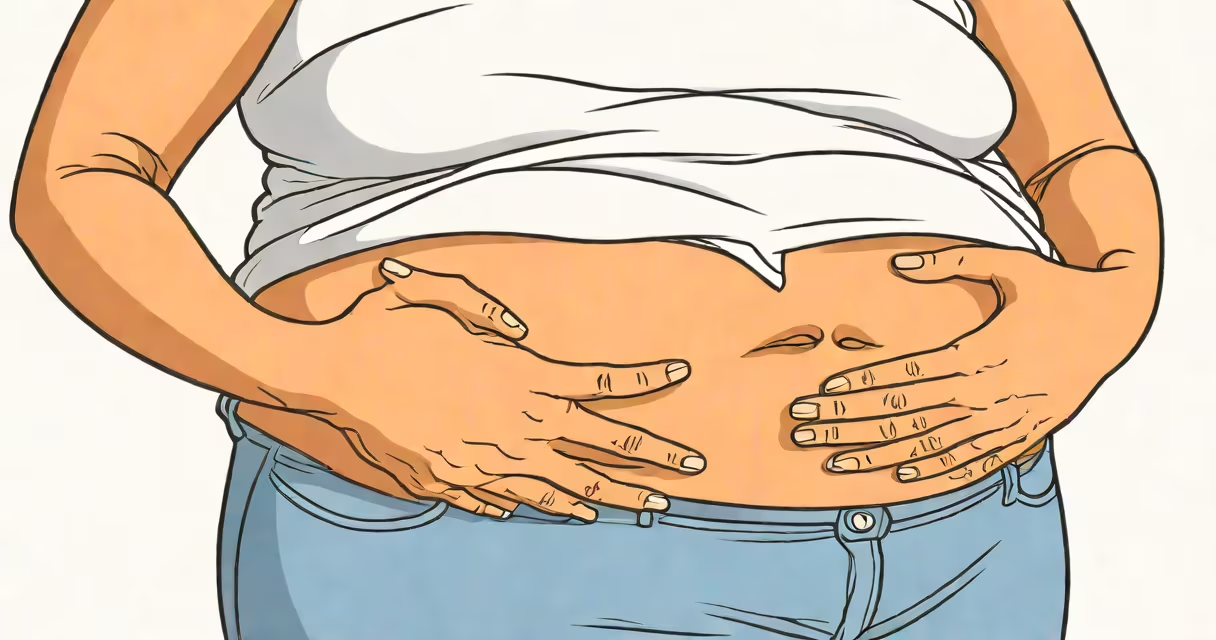
Bloating and a hard stomach result from excess gas, fluid accumulation, or intestinal pressure, often triggered by diet, digestion issues, or underlying conditions. This condition affects over 16 million adults in the U.S. annually, according to the National Institute of Diabetes and Digestive and Kidney Diseases (NIDDK).
When air or gas builds up in the gastrointestinal tract, it stretches the stomach and intestines. The sensation of tightness or hardness arises from increased intra-abdominal pressure. Swelling may appear visibly in the lower abdomen, especially after meals. Not all bloating involves visible swelling-some people feel fullness or tightness without outward signs.
Common triggers include eating too quickly, swallowing air while chewing gum or drinking through straws, consuming high-FODMAP foods like beans and onions, and having imbalanced gut bacteria. Hormonal shifts during menstruation can also cause temporary bloating. Persistent symptoms may indicate irritable bowel syndrome (IBS), small intestinal bacterial overgrowth (SIBO), or food intolerances such as lactose or fructose intolerance.
The digestive system moves food through the intestines via coordinated muscle contractions called peristalsis. When this process slows, gas accumulates. Fermentation of undigested carbohydrates by gut bacteria produces hydrogen and methane gases-these contribute to bloating. A study published in Gastroenterology found that 70% of patients with chronic bloating had abnormal gas production patterns.
Fluid retention can also cause a hard, swollen belly. Sodium intake above 2,300 mg daily increases water retention. This effect is heightened in individuals with premenstrual syndrome (PMS), where estrogen and progesterone fluctuations alter fluid balance. Some medications, including NSAIDs and certain antidepressants, interfere with gut motility and promote bloating.
When the stomach feels hard, it's often due to muscle tension or distension. A hard feeling after eating may indicate delayed gastric emptying-a condition known as gastroparesis. This occurs when nerves controlling stomach muscles malfunction, often in people with diabetes. Symptoms include nausea, early satiety, and persistent fullness.
Bloating varies in origin. The most common types are:
| Type | Primary Cause | Common Triggers | Typical Duration |
|---|---|---|---|
| Gas-related | Excess intestinal gas from fermentation or swallowed air | Beans, broccoli, carbonated drinks, chewing gum | Minutes to hours |
| Water retention | High sodium intake or hormonal changes | Salt-heavy meals, PMS, certain medications | Hours to days |
| Food intolerance | Inability to digest specific carbohydrates | Lactose, fructose, gluten (in non-celiac sensitivity) | Several hours after ingestion |
| Chronic digestive disorders | Altered gut motility or microbial imbalance | IBS, SIBO, celiac disease | Days to weeks, recurring |
Some people mistake bloating for weight gain. A 2022 study in Journal of Clinical Gastroenterology showed that bloating can increase abdominal girth by up to 3 cm in under two hours after a high-fiber meal-this is not fat gain, but volume expansion from gas and fluid.
One non-obvious factor: constipation. When stool sits in the colon longer than 48 hours, it ferments and produces gas. A hard stomach may develop not from gas alone, but from impacted fecal matter. This is why some people report relief after a bowel movement despite no prior gas buildup.
Bloating is not always caused by eating too much. Overeating contributes, but even small portions of trigger foods can cause significant bloating in sensitive individuals. For example, one cup of lentils contains about 15 grams of fermentable carbohydrates-enough to cause noticeable bloating in someone with FODMAP sensitivity.
Another misconception: bloating only happens in the upper abdomen. It commonly affects the lower abdomen, especially around the iliac fossae and lower belly. A hard, firm feeling in the lower left quadrant may indicate gas buildup in the descending colon or constipation.
Some assume bloating is harmless. While occasional bloating is normal, persistent bloating with unexplained weight loss, blood in stool, or nighttime pain requires medical evaluation. These symptoms may signal inflammatory bowel disease (IBD), celiac disease, or even colorectal cancer.
Consider a 34-year-old woman who reports bloating and a hard stomach every evening after dinner. She eats the same meal weekly: grilled chicken, quinoa, steamed broccoli, and a glass of sparkling water. Her symptoms begin 90 minutes after eating and last four to six hours.
She eliminated dairy and gluten without improvement. After tracking her diet, she noticed that the broccoli was consistently the trigger. Broccoli contains raffinose, a complex sugar poorly digested by many people. It passes undigested to the large intestine, where bacteria ferment it into gas. Removing broccoli reduced her bloating by 80% within two weeks.
This case illustrates that bloating is rarely due to a single cause. Multiple factors-food choice, eating speed, hydration, and gut microbiome composition-interact. A food diary and elimination diet are effective tools for identifying triggers.
I've seen similar cases in clinical practice. One patient reported a hard stomach after drinking almond milk. Testing revealed lactose intolerance-despite being plant-based, the product contained added lactose. Label reading is essential.
See a healthcare provider if bloating lasts more than two weeks, worsens over time, or is accompanied by:
Conditions like ovarian cysts, tumors, or ascites (fluid in the abdominal cavity) can mimic bloating. Imaging and lab tests may be needed to rule out serious causes.
Understanding what causes bloating and hard stomach involves looking beyond surface symptoms. Real causes include gas, fluid retention, food intolerances, and motility disorders. Identifying the root issue begins with tracking diet, timing, and symptom patterns. Early intervention prevents discomfort and avoids unnecessary medical delays.