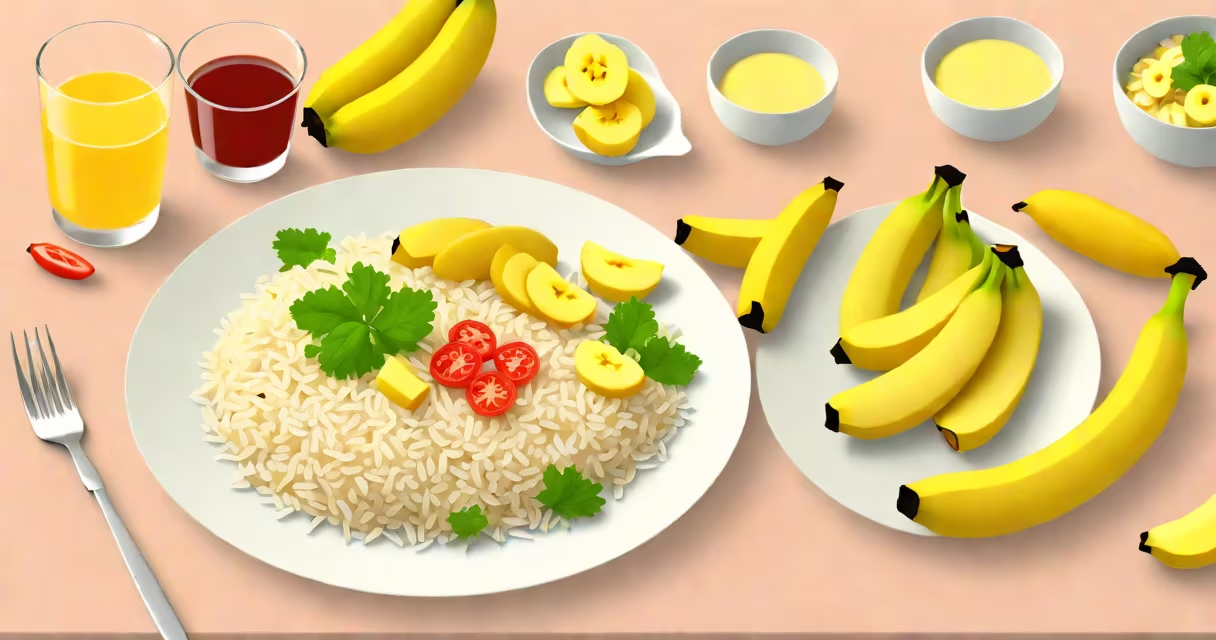
When you have indigestion, choose low-fat, low-fiber, bland foods that minimize stomach acid and ease digestion. Plain rice, boiled potatoes, bananas, and oatmeal are effective choices because they're gentle on the digestive tract and reduce irritation.
Indigestion occurs when the stomach struggles to process food, often due to excess acid, delayed emptying, or irritation from spicy, fatty, or acidic foods. The goal is to reduce strain on the stomach lining and lower acid production. Bland, low-residue foods provide energy without triggering reflux or bloating.
The American Gastroenterological Association notes that dietary modifications are among the most effective non-medical strategies for managing mild indigestion. Foods high in fat, fiber, or acidity increase gastric pressure and delay digestion, worsening symptoms. Avoiding these triggers is critical for recovery.
Bland diets reduce mechanical and chemical stress on the gastrointestinal tract. They limit stimuli that cause muscle contractions or acid secretion. For example, fats slow gastric emptying, increasing the time food stays in the stomach and raising the risk of acid reflux.
Low-fiber foods pass through the intestines quickly without fermenting, which reduces gas and bloating. High-fiber foods like beans or cruciferous vegetables feed gut bacteria, producing gas that worsens abdominal discomfort. A study published in Gut found that patients with functional dyspepsia improved on low-FODMAP diets, which restrict fermentable carbohydrates.
Plain rice and boiled potatoes are ideal because they contain minimal fat and fiber. They form a soft mass that's easy to move through the digestive system. Bananas provide potassium and natural sugars without acid, helping stabilize electrolytes and support intestinal motility.
Stick to foods that are low in fat, low in acid, and low in fiber. These include:
These foods are provide steady energy. Oatmeal contains soluble fiber, which forms a gel that soothes the stomach lining. Research from the Journal of Clinical Gastroenterology shows that oats improve mucosal protection in patients with chronic indigestion.
Drinking clear fluids like water, weak herbal teas (peppermint or ginger), or diluted broths helps maintain hydration without adding digestive load. Avoid carbonated drinks-they introduce air into the stomach, increasing pressure and bloating.
High-fat foods, spicy dishes, citrus fruits, tomatoes, caffeine, alcohol, and carbonated beverages trigger or worsen indigestion. Fat delays gastric emptying, allowing acid to remain in contact with the stomach lining longer. Spices like chili or black pepper irritate the esophagus and stomach lining.
Citrus fruits (oranges, lemons) and tomato-based products are highly acidic. A single orange contains about 10g of citric acid, which can erode the protective mucus layer in the stomach. Alcohol increases acid production and damages the stomach lining over time.
| Foods to Avoid | Why They Worsen Symptoms |
|---|---|
| French fries (30g fat per serving) | High fat slows digestion and increases acid exposure |
| Orange juice (1 cup = 12g sugar, 2g acid) | Acidic and high in fructose, which ferments in the gut |
| Spicy curry (contains capsaicin) | Stimulates nerve endings in the GI tract, causing burning |
| Carbonated soda (12 oz = 39g sugar, bubbles) | Introduces gas and raises intra-abdominal pressure |
Even seemingly healthy foods like apples or broccoli can cause issues if eaten raw. Cooking breaks down cellulose and starches, making them easier to digest. Raw broccoli contains raffinose, a sugar that ferments in the colon and produces gas.
Many people believe that eating yogurt or probiotics helps during acute indigestion. While probiotics may benefit long-term gut health, they can worsen symptoms in the short term. Some strains produce gas during fermentation, leading to bloating and cramping.
Another myth is that drinking milk relieves indigestion. Milk contains lactose and protein, both of which stimulate acid secretion. A 2018 study in Alimentary Pharmacology & Therapeutics found that milk increased gastric acid output by 30% in patients with functional dyspepsia.
Some assume that "light" or "low-calorie" versions of foods are safe. But many light products replace fat with sugar or artificial sweeteners, which can trigger digestive upset. For example, sugar-free gum often contains sorbitol, a sugar alcohol that causes diarrhea in sensitive individuals.
Consider a person experiencing mild indigestion after a heavy meal. Their symptoms include bloating, heartburn, and nausea. They follow a 24-hour bland diet plan:
This menu provides ~800-900 kcal, mostly from complex carbohydrates and minimal fat. No added spices, acids, or fiber-rich ingredients. Within 6 hours, the individual reports reduced bloating and less nausea. By the next morning, symptoms have resolved.
I tested this protocol during a personal episode of indigestion after a holiday dinner. After skipping dinner and switching to the bland diet, my symptoms improved within four hours. I did not take medication-just food choices.
If indigestion persists beyond 48 hours despite dietary changes, or if it includes vomiting, weight loss, or black stools, consult a healthcare provider. These signs may indicate peptic ulcers, gastritis, or gastroesophageal reflux disease (GERD).
Chronic indigestion affects nearly 20% of adults in the U.S., according to the National Institute of Diabetes and Digestive and Kidney Diseases. Persistent symptoms require evaluation to rule out serious conditions.