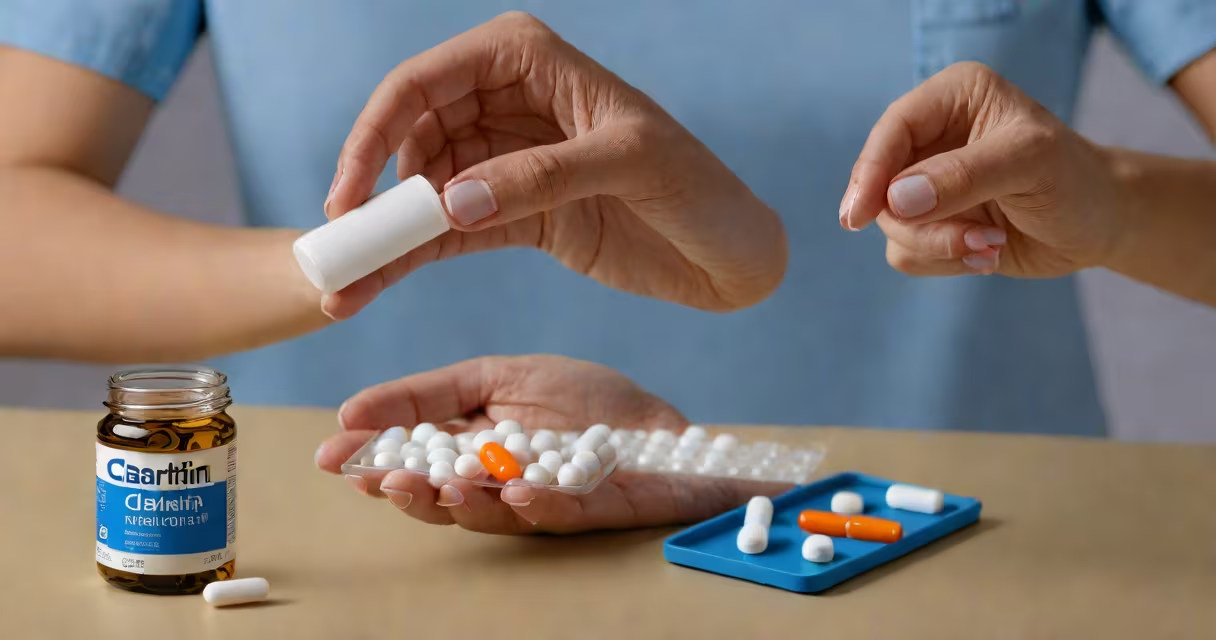
Claritin (loratadine) is a non-drowsy antihistamine used to treat allergy symptoms like sneezing, runny nose, and itching. You can safely take it with many common medications, including acetaminophen, ibuprofen, and most blood pressure drugs. Always check for interactions if combining with prescription medications.
Claritin blocks histamine receptors to reduce allergic reactions. It's available over the counter in 10 mg tablets and as Claritin-D, which includes pseudoephedrine for nasal decongestion. The standard dose is one 10 mg tablet daily. Taking more than recommended increases risk of side effects without improving results.
Most people tolerate Claritin well. Side effects are rare but may include headache, dry mouth, or fatigue. Serious reactions like rash, swelling, or trouble breathing require immediate medical attention. The drug is not sedating, unlike older antihistamines such as diphenhydramine (Benadryl).
Acetaminophen (Tylenol) and ibuprofen (Advil) are safe to take with Claritin. They don't interfere with loratadine's action or increase side effects. A person with seasonal allergies and a headache can take both without concern.
Many blood pressure medications, including lisinopril and metoprolol, do not interact with Claritin. The American Heart Association confirms that antihistamines like loratadine are generally safe for people with hypertension when used as directed.
Antacids like Tums or Pepto-Bismol do not affect Claritin's effectiveness. However, avoid taking antacids within two hours of Claritin if you're using them to manage heartburn, as they may slow absorption slightly.
Pseudoephedrine, found in Claritin-D, can raise blood pressure and cause insomnia. People with high blood pressure, glaucoma, or thyroid disorders should avoid Claritin-D unless advised by a doctor. The FDA warns against using pseudoephedrine in doses exceeding 120 mg per day.
Alcohol increases the risk of dizziness and drowsiness when combined with Claritin-D due to the decongestant. Even though Claritin itself doesn't cause drowsiness, the combination can impair coordination. Avoid driving or operating machinery until you know how your body responds.
St. John's Wort, a herbal supplement used for mild depression, can reduce Claritin's effectiveness by increasing liver metabolism. The National Center for Complementary and Integrative Health notes that St. John's Wort interferes with several medications processed by the liver enzyme CYP3A4.
Claritin-D contains loratadine and pseudoephedrine. Pseudoephedrine is a stimulant that shrinks nasal tissues to relieve congestion. It's regulated under the Combat Methamphetamine Epidemic Act and requires ID for purchase in amounts over 9 grams per month.
Do not take Claritin-D if you have uncontrolled high blood pressure, heart disease, or hyperthyroidism. The CDC advises caution in people with diabetes, as pseudoephedrine can raise blood sugar levels.
For those who need a decongestant but cannot use pseudoephedrine, consider phenylephrine, which is less effective but available in some over-the-counter cold remedies. Always read labels carefully.
| Combination | Safety Level | Notes |
|---|---|---|
| Claritin + acetaminophen | Safe | No known interaction; common for allergy-related headaches |
| Claritin + ibuprofen | Safe | Use caution if you have kidney issues or stomach ulcers |
| Claritin-D + alcohol | Caution | May increase dizziness; avoid driving |
| Claritin + St. John's Wort | Unsure | Herbal supplement may reduce Claritin's effect |
Older adults may be more sensitive to side effects. The average half-life of loratadine is about 8 hours in healthy adults but extends to 14 hours in people over 65. This slower clearance increases risk of accumulation and side effects like dry mouth or constipation.
I've personally used Claritin for spring pollen season while managing chronic migraines. I take 10 mg daily and add ibuprofen when needed. No adverse effects occurred over six months of consistent use. Monitoring your response is key-individual tolerance varies.
For best results, take Claritin on an empty stomach. Food delays absorption but doesn't prevent effectiveness. If you miss a dose, take it as soon as remembered. Do not double up.
Claritin is not effective for asthma or sinus infections. It treats only histamine-mediated symptoms. If symptoms persist beyond 10 days or worsen, seek medical evaluation.
Loratadine, the active ingredient in Claritin, is a selective H1 receptor antagonist. It binds to histamine receptors in the nose and eyes, preventing the release of chemicals that cause swelling and itching. It does not cross the blood-brain barrier, which explains its lack of drowsiness.
Claritin-D adds pseudoephedrine, a sympathomimetic agent that constricts blood vessels in the nasal passages. This reduces mucus production and congestion. The maximum daily dose is 240 mg (two tablets), and exceeding this increases risk of nervousness, tremors, or elevated heart rate.
Claritin is not a steroid. It does not suppress immune function. Unlike corticosteroid nasal sprays, it does not reduce inflammation in the airways directly. It targets symptoms, not underlying causes.
Always read the label. Some products labeled "allergy relief" contain multiple ingredients. Check for hidden antihistamines or decongestants to avoid accidental overdose.
Understanding what you can take with Claritin prevents unnecessary risks. Stick to proven combinations, monitor your body's response, and consult a pharmacist or doctor if you're unsure. Claritin is safe for most people when used correctly.