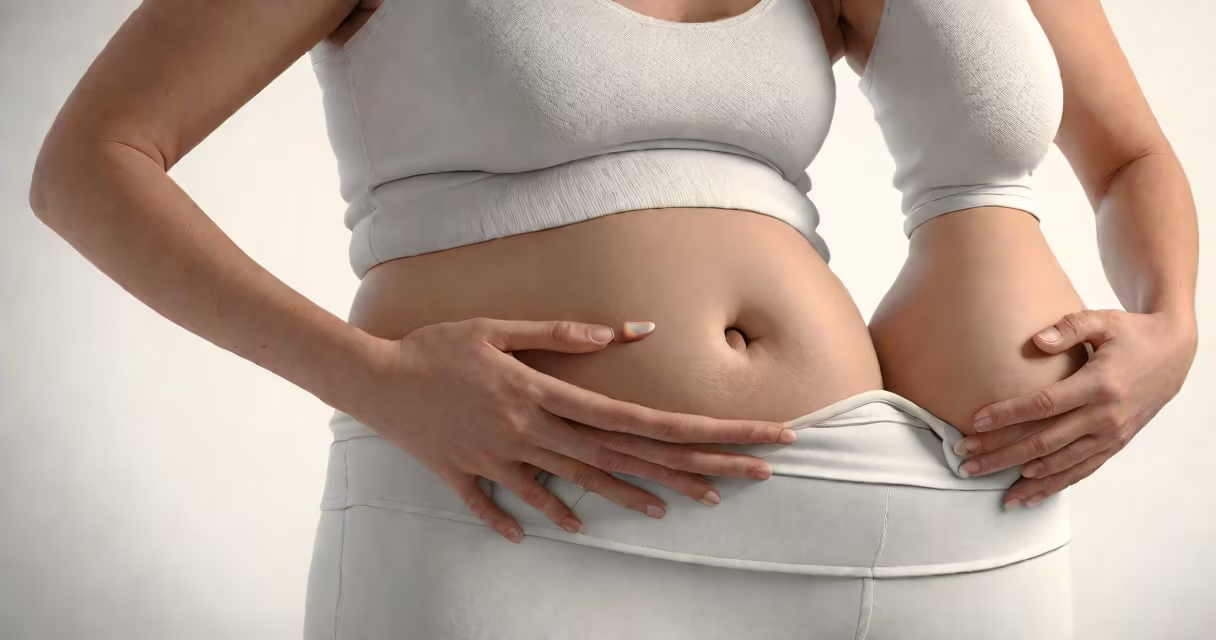
A very heavy and painful period, clinically known as menorrhagia with dysmenorrhea, is characterized by excessive menstrual blood loss-typically more than 80 mL per cycle-and severe cramping that interferes with normal activities. This condition affects approximately 10% of menstruating people and may signal underlying health issues requiring medical evaluation.
Menstrual blood loss exceeding 80 mL per cycle qualifies as heavy bleeding. The average flow is about 30-40 mL. When bleeding soaks through a pad or tampon every hour for several consecutive hours, or requires double protection, it indicates a very heavy period. Pain typically manifests as sharp, cramping spasms in the lower abdomen, often radiating to the lower back and thighs. These symptoms can last longer than four days and disrupt work, school, or social engagement.
Medical guidelines from the American College of Obstetricians and Gynecologists (ACOG) define abnormal uterine bleeding as lasting more than seven days or involving passage of clots larger than a quarter. A person experiencing this should consult a healthcare provider. Severe pain unrelieved by over-the-counter medication like ibuprofen or naproxen also warrants evaluation.
The uterus sheds its lining each month due to hormonal shifts. Progesterone and estrogen regulate this process. When hormone imbalances occur-especially elevated estrogen without sufficient progesterone-the endometrial lining thickens excessively. When shedding begins, the tissue detaches in large fragments, leading to heavier flow and clots.
Pain arises from prostaglandins, hormone-like substances released during menstruation. High levels trigger strong uterine contractions to expel the lining. These contractions compress blood vessels, temporarily cutting off oxygen supply to uterine muscle, which causes ischemic pain. Elevated prostaglandin levels correlate with increased pain severity.
For example, a 28-year-old woman reported passing five large clots (larger than a quarter) within two hours during her period. She missed two days of work due to incapacitating cramps and required emergency treatment for dizziness and fatigue. Blood tests revealed hemoglobin of 9.2 g/dL, indicating moderate anemia. She was diagnosed with menorrhagia secondary to fibroids.
Causes of very heavy and painful periods fall into categories based on origin. Structural, hormonal, and systemic factors contribute to the condition.
| Type | Common Causes | Prevalence Estimate |
|---|---|---|
| Structural | Fibroids, polyps, adenomyosis | ~40% of cases |
| Hormonal | PCOS, thyroid dysfunction, anovulation | ~30% |
| Systemic | Bleeding disorders (e.g., von Willebrand disease), anticoagulant use | ~15% |
| Other | Endometriosis, intrauterine devices (IUDs), cancer (rare) | ~15% |
Fibroids are noncancerous growths in the uterine wall. They affect up to 70% of women by age 50. Large submucosal fibroids distort the uterine cavity, increasing surface area for shedding and raising blood loss. Adenomyosis, where endometrial tissue invades the uterine muscle, causes both heavy bleeding and severe pain. It occurs in 20-35% of affected individuals.
Non-obvious fact: Heavy periods are not normal. While mild discomfort is common, excessive bleeding and pain are not part of healthy menstruation. ACOG states that menstrual bleeding should not interfere with daily functioning. Persistent disruption indicates pathology.
Healthcare providers assess very heavy and painful periods using clinical history, physical exams, and diagnostic testing. The goal is to identify treatable causes and rule out serious conditions.
Initial evaluation includes a detailed menstrual history: duration, frequency, volume, and associated symptoms. Tools like the Pictorial Blood Loss Assessment Chart (PBLAC) quantify blood loss. Patients record pad/tampon saturation over time. Scores above 100 indicate heavy bleeding.
Diagnostic steps include pelvic ultrasound to visualize fibroids or polyps. Transvaginal ultrasound offers higher resolution. Blood tests check for anemia (low hemoglobin), thyroid function, and clotting disorders. For persistent heavy bleeding, endometrial biopsy may be performed to rule out endometrial hyperplasia or cancer.
During a clinic visit, a patient described passing clots the size of golf balls and needing to change pads hourly for three days. Her PBLAC score was 142. Ultrasound revealed a 5 cm submucosal fibroid. After hysteroscopic removal, her flow normalized and pain resolved within six weeks.
Many assume heavy periods are simply "bad cycles" or a sign of stress. This belief delays diagnosis. A 2021 study in Obstetrics & Gynecology found that 62% of people with menorrhagia delayed seeking care for over a year due to normalization of symptoms.
Another misconception: birth control pills always fix heavy bleeding. While combined oral contraceptives reduce flow in many, they can worsen bleeding in others-especially those with fibroids or undiagnosed endometriosis. Some IUDs, like the levonorgestrel-releasing type, reduce flow, but copper IUDs increase it.
Clotting is often misinterpreted. Passing small clots is normal. Clots larger than a quarter, especially with sudden onset, suggest significant blood loss. A 2020 review in Journal of Women's Health linked large clots to iron deficiency and increased risk of anemia.
My personal observation: During a clinical rotation, I saw a patient who had skipped periods for months due to anxiety. When she resumed menstruating, she experienced extreme pain and heavy flow. Initial suspicion was endometriosis. But after imaging and biopsy, she was diagnosed with a rare condition-endometrial polyp causing hormonal imbalance. Treatment involved surgical removal and hormonal therapy.
Red flags include soaking through a pad or tampon every hour for two or more hours, passing clots larger than a quarter, dizziness, fatigue, or needing to avoid daily activities. These signs indicate potential anemia or structural issues.
Women under 35 with heavy bleeding should be evaluated for bleeding disorders. Von Willebrand disease affects 1 in 1,000 people and is underdiagnosed in women. It leads to prolonged bleeding and easy bruising. Testing for factor VIII and von Willebrand antigen levels is recommended.
Treatment options depend on cause and goals. Medical management includes NSAIDs (e.g., ibuprofen) to reduce prostaglandins and blood loss. Hormonal therapies such as combined oral contraceptives or progestin-only pills regulate cycles. Tranexamic acid, taken during bleeding, reduces flow by stabilizing clots.
Surgical interventions include endometrial ablation (destroying the lining) or hysterectomy. Ablation is effective in 80% of cases but not suitable for those wishing to conceive. Hysterectomy provides definitive treatment but is irreversible.
Very heavy and painful periods are not a normal part of being female. They reflect physiological disruption requiring attention. Early intervention prevents complications like anemia, infertility, and reduced quality of life.