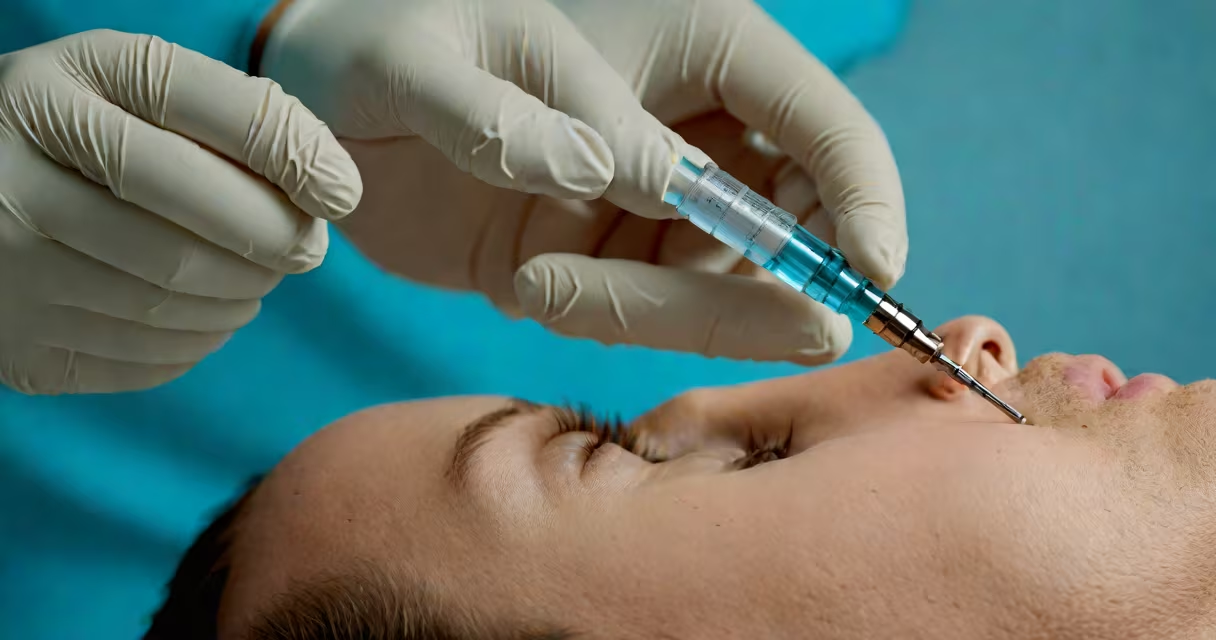
A tetanus shot is available at primary care offices, urgent care centers, retail pharmacies, public health departments, and some community clinics. Most adults need a booster every 10 years, and the vaccine is widely accessible through routine medical providers.
Tetanus is caused by a toxin produced by Clostridium tetani bacteria, which enter the body through wounds, especially deep puncture injuries. The tetanus shot contains inactivated toxins (toxoid) that train the immune system to recognize and neutralize the actual toxin if exposure occurs. According to the Centers for Disease Control and Prevention (CDC), a primary series of five doses is given during childhood, followed by a booster dose every 10 years thereafter.
Most people receive their tetanus shot during routine checkups or when seeking treatment for a wound. The CDC recommends a tetanus booster within 5 years of injury if the last dose was more than 5 years ago, especially for dirty or deep wounds. This timing ensures protection against infection, which can lead to muscle stiffness, lockjaw, and even death if untreated.
Several types of facilities offer tetanus shots. The most common include:
For example, a 42-year-old man with a deep laceration from a rusty nail visited a local urgent care center. The staff assessed the wound, confirmed his last tetanus shot was 13 years ago, and administered a booster on-site. He paid $25 out-of-pocket, but the cost would have been waived under Medicaid or Medicare.
The tetanus shot is typically part of combination vaccines. The most common formulations are:
| Vaccine Name | What It Prevents | Who Should Get It |
|---|---|---|
| Tdap | Tetanus, diphtheria, and pertussis (whooping cough) | Adults aged 19-64 who haven't had Tdap before; recommended once as a single dose. |
| Td | Tetanus and diphtheria | Booster every 10 years after Tdap; used for subsequent boosters. |
Both Tdap and Td are available at most providers listed above. Tdap is preferred for adults because it includes protection against pertussis, which can be severe in infants and older adults. The CDC advises that adults who work with children or pregnant women should receive Tdap even if they've had it before.
One key distinction often missed: Tdap is not interchangeable with Td for initial adult dosing. A person who hasn't received Tdap previously should get it once, then switch to Td for 10-year boosters. Getting Td instead of Tdap when it's time for the first adult dose reduces protection against whooping cough.
Many Americans qualify for free tetanus shots through public programs. The CDC's Vaccines for Children (VFC) program covers children under 18, but adults aren't included. However, state and local health departments often run outreach programs offering free or reduced-cost vaccines.
For example, Los Angeles County Public Health offers free tetanus shots at 14 designated clinics. Eligibility is based on income level, with no ID required. A patient earning $35,000 annually received a Tdap shot at no cost after presenting proof of address and income.
Some nonprofit organizations partner with pharmacies to host free vaccination events. The National Foundation for Infectious Diseases reports that over 1,200 such events were held nationwide in 2023, primarily targeting rural and low-income communities.
Individuals without insurance can still access the shot through FQHCs. These centers are federally funded and operate on a sliding fee scale. A patient earning 150% of the federal poverty level may pay as little as $10 for a Tdap shot.
Many people assume that a tetanus shot is only needed after stepping on a nail. That's incorrect. The vaccine is preventive, not reactive. You don't wait for injury to get protected. The CDC emphasizes that the 10-year booster schedule applies regardless of injury history.
Another misconception: "I had a tetanus shot as a child, so I'm fine." While childhood immunization provides long-term protection, immunity wanes over time. The CDC states that antibody levels drop after 10 years, making boosters essential.
I once observed a man at a community clinic in Denver decline a Tdap booster despite being in his late 50s. He believed he was immune because he'd gotten the vaccine at age 10. His doctor explained that immunity diminishes and he was at risk for complications if exposed to a contaminated wound. He agreed to the shot and later said he felt relieved knowing he was protected.
Tetanus shots are not effective once symptoms appear. Treatment involves hospitalization, antitoxins, sedatives, and mechanical ventilation. Recovery takes weeks to months. Prevention through vaccination remains the only reliable method.