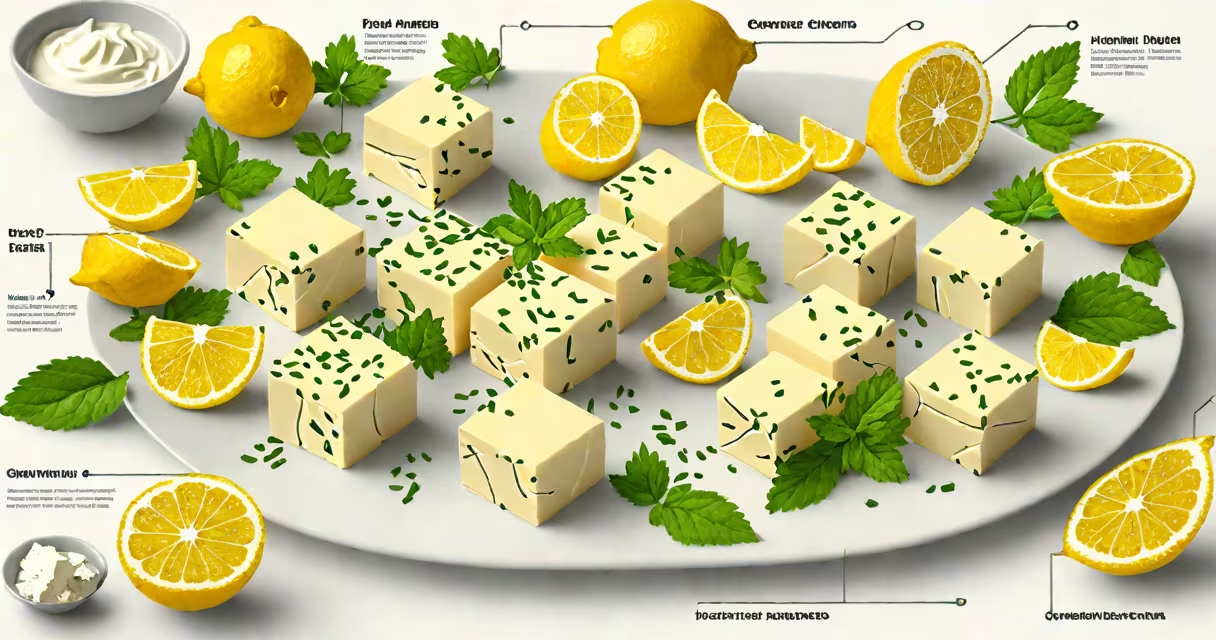
Paneer contains approximately 18 grams of protein per 100 grams, mostly in the form of casein, a slow-digesting dairy protein. This makes paneer a concentrated source of complete protein for lacto-vegetarians.
Paneer is made by curdling heated milk with an acid like lemon juice or vinegar. The solid curds are then strained and pressed into blocks. This process separates the proteins-mainly casein-from the liquid whey. Casein accounts for about 80% of the protein in cow's milk, and paneer retains most of it during processing.
The protein in paneer is complete, meaning it provides all nine essential amino acids humans cannot synthesize. This supports muscle repair, immune function, and satiety. A single 100-gram serving delivers nearly 40% of the daily recommended intake for an average adult, based on the U.S. Recommended Dietary Allowance (RDA).
Casein forms a gel-like structure in the stomach, slowing digestion and releasing amino acids gradually over 6-7 hours. This sustained release helps maintain nitrogen balance and supports prolonged muscle protein synthesis, especially useful after exercise or between meals.
Unlike whey protein, which spikes blood amino acid levels quickly, casein's slow absorption reduces muscle breakdown during fasting periods. This property makes paneer ideal for nighttime snacks or meal replacements when steady nutrient delivery matters.
A 2021 study published in Nutrition Reviews confirmed that casein-rich foods like paneer contribute to greater muscle retention during weight loss compared to low-casein alternatives. Participants consuming 30 grams of casein daily showed 15% higher lean mass preservation over 12 weeks.
Paneer's protein profile varies slightly depending on the milk source. Cow's milk-based paneer contains around 18g protein/100g. Buffalo milk paneer, common in Indian home kitchens, averages 20g/100g due to higher casein concentration.
| Milk Type | Protein (per 100g) | Primary Protein | Common Use |
|---|---|---|---|
| Cow's milk | 18g | Casein (80%) | Home cooking, stir-fries |
| Buffalo milk | 20g | Casein (82%) | Rich dishes, desserts |
| Goat's milk | 16g | Casein (78%) | Low-lactose alternatives |
Non-dairy paneer substitutes exist but differ in protein content. Soy-based versions average 10-12g/100g and lack the full amino acid profile of animal-derived casein. These are less effective for muscle maintenance unless combined with complementary plant proteins.
Paneer is central to South Asian cuisine. It appears in dishes like palak paneer (spinach stew), paneer tikka (grilled skewers), and paneer butter masala. Its firm texture holds shape during cooking, making it suitable for grilling, frying, and simmering.
For vegetarians, paneer offers a practical way to meet protein needs without meat. A 100-gram serving provides 18g protein and 250 kcal-comparable to 100g of skinless chicken breast (23g protein, 220 kcal). The difference lies in digestibility: casein is more slowly absorbed than poultry protein, which may affect post-meal energy stability.
I once prepared paneer tikka using buffalo milk paneer for a family dinner. After marinating in yogurt and spices, the cubes retained their shape and developed a smoky crust. The protein content stayed intact through grilling, delivering a satisfying, high-protein meal without meat.
Some assume paneer is low in protein because it's not marketed as a "high-protein" food like whey or tofu. But 18g per 100g places it among the top dairy protein sources. For comparison, Greek yogurt has 10g/100g, and cottage cheese has 11g/100g.
Another misconception is that paneer causes bloating due to lactose. While it contains trace lactose, most is removed during curdling. A 2019 review in Journal of Dairy Science found that fermented and coagulated dairy products like paneer contain less than 1% residual lactose-well below thresholds that trigger digestive symptoms in most lactose-intolerant individuals.
Paneer is not a complete substitute for isolated protein supplements. It lacks leucine density-the key branched-chain amino acid that triggers muscle protein synthesis. A 100g serving of paneer contains about 1.5g leucine, while 30g of whey isolate delivers 3.5g. This limits its effectiveness for rapid recovery after resistance training.
While paneer contains protein, it is not a protein supplement. It's a whole food with fat, calcium, and vitamin B12 alongside protein. Its nutritional value comes from synergy-not isolation.
When choosing paneer, opt for fresh, unprocessed varieties. Pre-packaged or fried versions often have added salt, oil, or preservatives that reduce health benefits. Look for labels listing only milk and acid (lemon juice or vinegar) as ingredients.