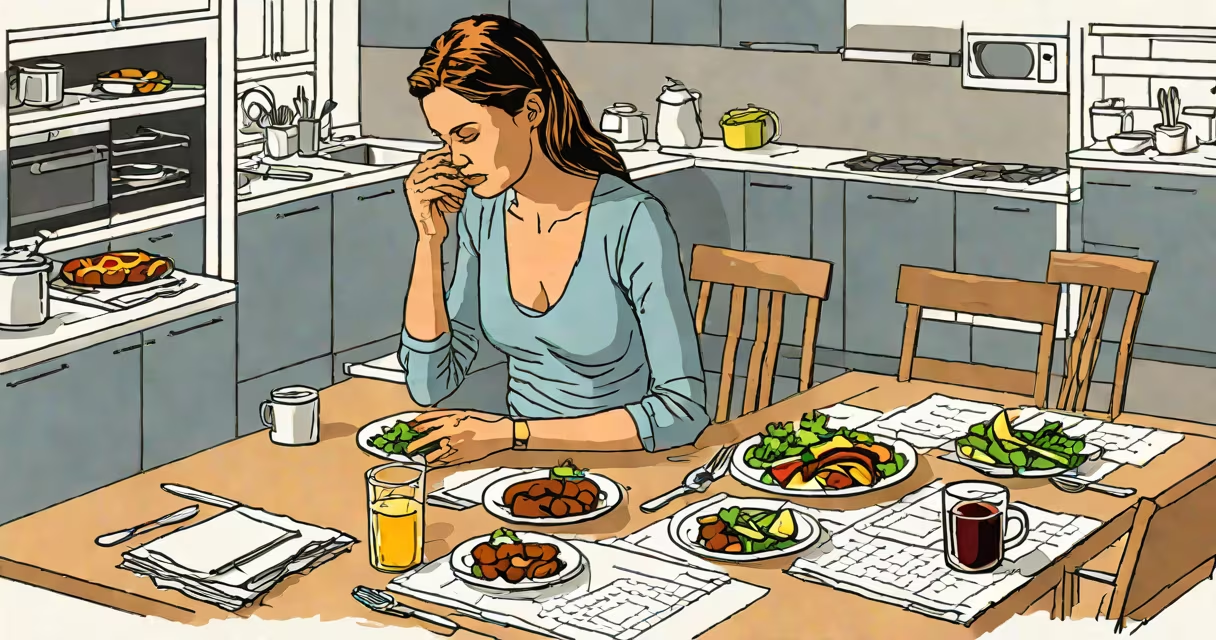
Abdominal pain after eating occurs when digestion triggers cramping, bloating, or sharp discomfort in the stomach or lower belly. It often results from food intolerances, gastrointestinal conditions, or improper digestion of specific nutrients.
Most cases involve the body's inability to process certain foods effectively. The pain typically begins within 30 minutes to two hours after a meal and may last several hours. Common triggers include lactose, gluten, high-fat foods, and fructose-rich fruits.
According to the American Gastroenterological Association, postprandial abdominal pain affects approximately 15% of adults in the U.S., with higher rates among those with irritable bowel syndrome (IBS) or functional dyspepsia. Symptoms vary widely but frequently include nausea, gas, diarrhea, or constipation.
Pain arises when the digestive system responds abnormally to food. In healthy digestion, the stomach secretes acid and enzymes to break down proteins, fats, and carbohydrates. The small intestine absorbs nutrients, and the large intestine processes waste. When this process is disrupted, pain signals travel through the enteric nervous system to the brain.
For example, undigested carbohydrates ferment in the colon, producing gas and stretching intestinal walls. This distension activates nociceptors-pain-sensing nerve endings-leading to cramps. Similarly, delayed gastric emptying can cause pressure and bloating, especially after large or fatty meals.
A 2021 study published in Gut found that individuals with IBS have heightened sensitivity in the gut lining, meaning normal levels of gas or movement trigger pain even when no structural damage exists. This explains why some people experience severe pain after eating small amounts of food others tolerate easily.
Several conditions are linked to abdominal pain after eating. The most common include food intolerances, acid reflux, gallbladder issues, and inflammatory bowel diseases. Each has distinct patterns and symptoms.
| Condition | Typical Triggers | Onset & Duration | Distinguishing Symptoms |
|---|---|---|---|
| Lactose intolerance | Dairy products (milk, cheese, ice cream) | 30 min - 2 hours; lasts 4-6 hours | Bloating, watery diarrhea, gurgling sounds |
| Gluten sensitivity (non-celiac) | Bread, pasta, beer | 1-4 hours; varies by amount consumed | Cramps, fatigue, brain fog |
| Gastritis or acid reflux | Spicy, greasy, or acidic foods | Within 15-30 min; may persist for hours | Burning sensation, sour taste, regurgitation |
| Gallstones or cholecystitis | Fatty meals (fried chicken, butter, avocado) | 1-2 hours after eating; often at night | Severe right upper quadrant pain, nausea |
One key distinction often missed is that food allergies cause immediate immune reactions (within minutes), while intolerances develop gradually and are dose-dependent. For example, a person with lactose intolerance may feel fine after a small glass of milk but experience intense pain after a full cup.
Another non-obvious point: chronic abdominal pain after eating can result from small intestinal bacterial overgrowth (SIBO). A 2020 review in The American Journal of Gastroenterology reported that SIBO is underdiagnosed and may mimic IBS. Patients often report bloating and pain after consuming fiber-rich foods, even though they're not allergic to them.
Not all post-meal pain requires treatment, but persistent or worsening symptoms warrant investigation. Red flags include weight loss, blood in stool, fever, or pain that wakes you at night.
Doctors use diagnostic tools such as hydrogen breath tests for lactose or fructose intolerance, endoscopy for gastritis, and ultrasound for gallbladder disease. Blood tests can rule out celiac disease, which involves an autoimmune response to gluten.
Many assume all abdominal pain after eating stems from "bad" food. But the issue is often the body's inability to process specific components, not the food itself. For example, a salad with olive oil and vinegar may cause pain in someone with bile acid malabsorption, not because the ingredients are unhealthy.
Another misconception is that bloating always means excess gas. While gas contributes, fluid retention due to sodium intake or hormonal changes can also cause swelling. A 2019 study in Alimentary Pharmacology & Therapeutics showed that 40% of patients reporting bloating had normal gas volumes on testing-indicating other mechanisms were involved.
Finally, people often confuse postprandial pain with heartburn. Heartburn is a burning sensation behind the breastbone caused by acid reflux. Abdominal pain is felt lower, usually in the middle or left side of the belly. Mislabeling symptoms delays proper diagnosis.
Start by tracking meals and symptoms in a journal. Note what was eaten, portion size, time of onset, and duration. This helps identify patterns. For example, if pain consistently follows dairy consumption, consider eliminating it for two weeks to observe changes.
If symptoms persist, consult a gastroenterologist. They may recommend a low-FODMAP diet, which restricts fermentable carbohydrates known to worsen IBS and SIBO. Research shows a 75% improvement rate in symptom reduction after six weeks on this plan, according to a 2022 meta-analysis in Nutrients.
For those who suspect dairy is the culprit, try lactose-free alternatives. A single serving of lactose-free milk contains less than 0.5g of lactose-well below the threshold that triggers symptoms in most sensitive individuals.
Severe or recurring pain with bloating may indicate a deeper issue. Consider complete evaluation if symptoms interfere with daily life or lead to avoidance of social meals.
Understanding reasons for abdominal pain after eating begins with recognizing that not all pain is equal. Identifying the root cause-whether it's a food intolerance, motility disorder, or underlying condition-leads to effective relief and improved quality of life.