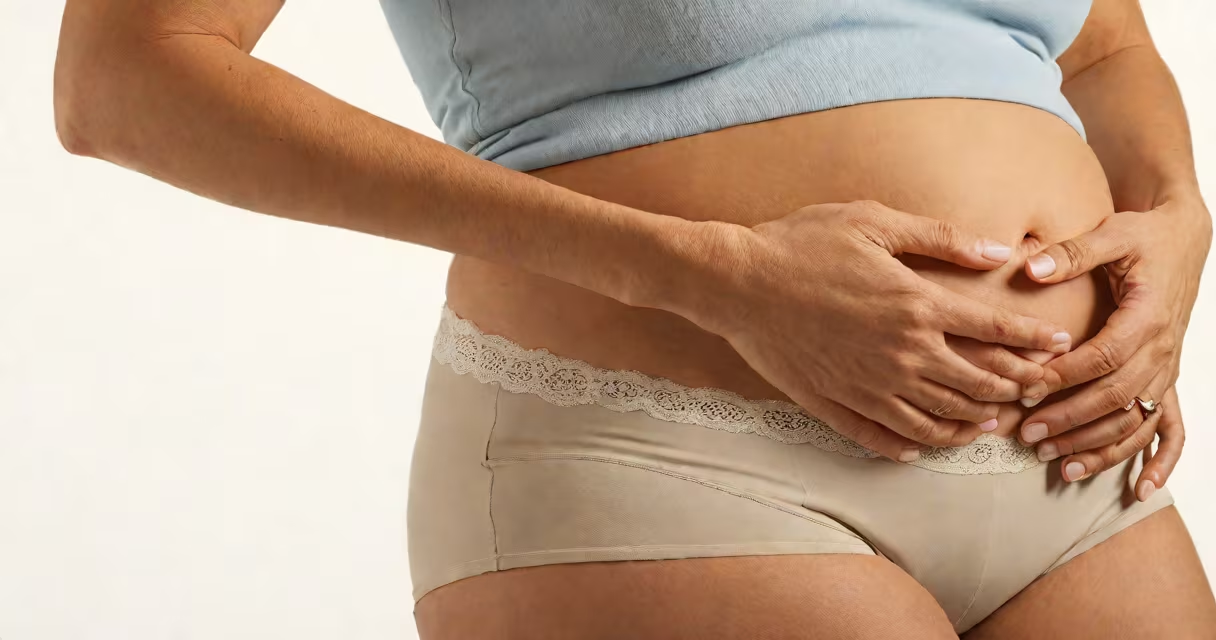
Period cramps ovulation describes physical discomfort tied to both menstruation and ovulation-two distinct phases in the menstrual cycle that can cause similar but different types of abdominal pain. While period cramps occur just before or during bleeding, ovulation cramps happen around mid-cycle, often on one side of the lower abdomen.
Menstrual cramps result from uterine contractions triggered by prostaglandins, hormones that cause the uterus to contract to shed its lining. These contractions can reduce blood flow to the area, leading to pain. Ovulation cramps, known medically as mittelschmerz, arise when the ovary releases an egg, sometimes causing a brief sharp sensation on one side of the lower abdomen. The two experiences differ in timing, location, and duration.
Understanding the difference matters because misidentifying ovulation pain as period cramps may delay recognizing fertility signs. Conversely, mistaking period cramps for ovulation pain can lead to confusion about cycle tracking. Both conditions are common, but they stem from separate biological processes.
Period cramps begin when the uterus contracts to expel the endometrial lining. Prostaglandins-lipid compounds released during menstruation-signal the uterine muscles to tighten. High levels of prostaglandins correlate with more intense pain, sometimes accompanied by nausea, diarrhea, or fatigue. These cramps typically last 2-5 days and peak within the first 24 hours of bleeding.
Ovulation pain occurs when the follicle ruptures to release an egg. This rupture can irritate the peritoneum-the lining of the abdominal cavity-causing a dull or sharp ache on one side. The pain usually lasts 15 minutes to several hours and may be accompanied by light spotting or increased cervical mucus. Unlike period cramps, ovulation pain happens around day 12-16 of a typical 28-day cycle, not during bleeding.
A 2021 study published in Reproductive Biology and Endocrinology found that 15-20% of women report ovulation pain, with most describing it as mild and transient. In contrast, dysmenorrhea (painful periods) affects 50-70% of menstruating individuals, according to the American College of Obstetricians and Gynecologists (ACOG).
The table below outlines key differences between period cramps and ovulation pain based on timing, location, duration, and associated symptoms.
| Feature | Period Cramps | Ovulation Pain |
|---|---|---|
| Timing | Days 1-5 of cycle, coinciding with bleeding | Day 12-16 of a 28-day cycle |
| Location | Centered in lower abdomen, may radiate to lower back or thighs | One-sided, typically left or right lower quadrant |
| Duration | 2-5 days; peaks early | Minutes to a few hours; rarely longer than 24 hours |
| Associated Symptoms | Nausea, bloating, fatigue, diarrhea | Light spotting, increased clear cervical mucus, mild breast tenderness |
One non-obvious distinction: ovulation pain often occurs without bleeding. A woman may feel a sudden twinge mid-cycle and later notice she's fertile. Period cramps, however, always coincide with or follow the start of menstruation.
Many people assume all abdominal pain during the cycle is "just period cramps." This leads to underreporting of ovulation pain, which can be useful for fertility awareness. Tracking ovulation pain helps identify fertile windows, especially when combined with basal body temperature and cervical mucus changes.
Another misconception is that ovulation pain indicates infertility. On the contrary, it often signals a healthy ovulatory cycle. ACOG states that ovulation pain is normal and not a sign of reproductive issues unless it becomes severe or persistent.
I once tracked my own cycle using a fertility app and noticed a sharp, one-sided pain on day 14. It lasted less than an hour and was followed by increased cervical mucus. Confirming ovulation through ultrasound later validated the pattern. That experience helped me understand that not all pelvic pain is related to menstruation.
Period cramps that interfere with daily activities or worsen over time may indicate underlying conditions such as endometriosis or adenomyosis. ACOG recommends evaluation if cramps require high-dose NSAIDs (like ibuprofen) or disrupt sleep, work, or school. Severe or worsening pain should prompt a visit to a gynecologist.
Ovulation pain lasting more than 24 hours, recurring weekly, or accompanied by fever, vomiting, or abnormal discharge requires medical attention. These could signal ovarian cysts, pelvic inflammatory disease, or other conditions.
For managing period cramps, heat therapy, regular exercise, and over-the-counter NSAIDs are effective. For ovulation pain, mild analgesics or rest often suffice. If cramps persist beyond the cycle, consider tracking symptoms using a calendar or app to identify patterns.
Recognizing whether pain stems from period cramps ovulation or another cause improves symptom management and reproductive health outcomes. Knowing the difference allows better tracking, informed decisions, and timely care when needed.