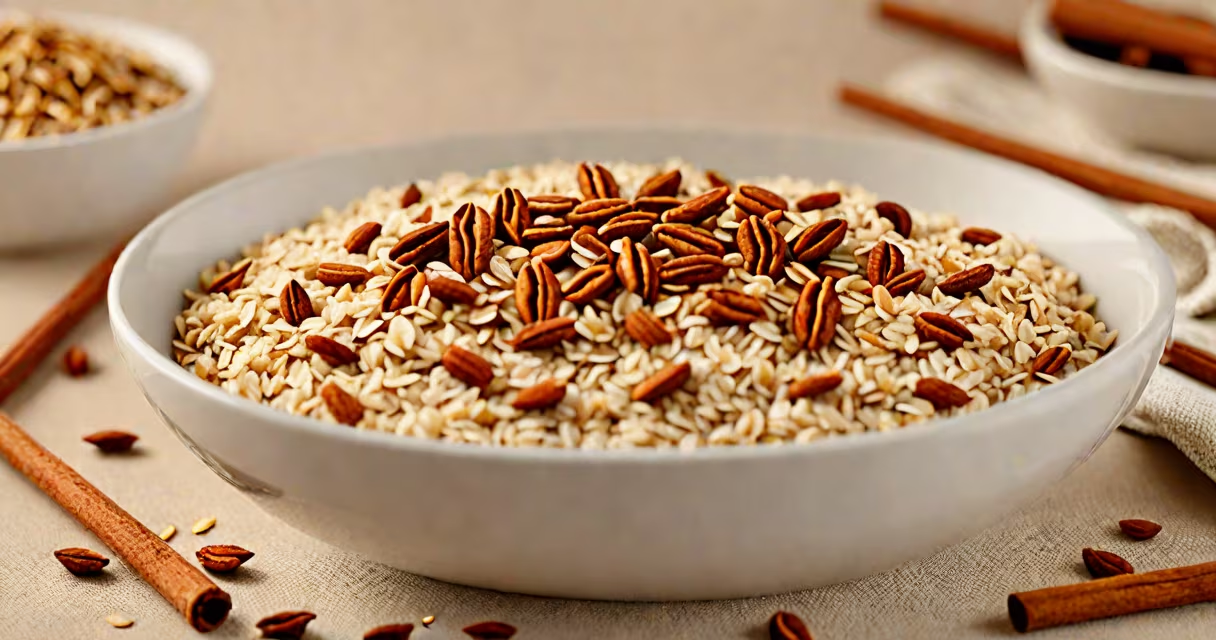
Oatmeal for nausea is a mild, easily digestible food that soothes the stomach lining and stabilizes blood sugar, reducing queasy sensations. Its high soluble fiber content slows digestion gently, preventing spikes that can trigger nausea. This makes it effective for morning sickness, post-viral upset, or motion sickness.
Plain, cooked oatmeal acts as a bland food that doesn't overstimulate the digestive tract. It's low in fat and free of strong spices, both of which can worsen nausea. The slow release of glucose from oats prevents hypoglycemia-related dizziness and queasiness. When prepared without added sugars or dairy, oatmeal becomes a safe option during episodes of gastrointestinal distress.
According to the Mayo Clinic, bland foods like oatmeal are recommended during acute nausea because they minimize irritation while providing sustained energy. The American Gastroenterological Association notes that soluble fiber from oats helps regulate gut motility, reducing spasms linked to nausea. These mechanisms explain why oatmeal is frequently advised in clinical settings for patients recovering from illness or surgery.
Oatmeal's effectiveness stems from its composition. A single cup (about 81 grams) of cooked steel-cut oats contains 4 grams of soluble fiber-primarily beta-glucan. This fiber forms a gel-like substance in the gut that slows nutrient absorption, preventing sudden insulin surges that can cause lightheadedness and nausea. This effect is especially useful in managing morning sickness, where fluctuating blood sugar contributes to discomfort.
Oatmeal's low irritant profile reduces gastric acid production. High-acid foods like citrus or spicy dishes increase reflux risk, worsening nausea. Oats contain minimal protein and almost no fat, minimizing the workload on the stomach. This allows the digestive system to rest while still receiving nourishment.
A 2021 study published in Nutrients found that participants with functional dyspepsia reported reduced nausea severity after consuming 50 grams of oats daily for four weeks. The improvement correlated with increased stool consistency and decreased bowel urgency-both markers of stabilized gut function. This supports oatmeal's role not just as a symptom reliever, but as a modulator of underlying digestive imbalance.
Not all oatmeal is equally effective for nausea. The form and additives affect tolerability.
| Type | Fiber Content | Preparation Time | Best For Nausea? |
|---|---|---|---|
| Steel-cut oats | High (4g per 1/2 cup dry) | 20-30 minutes | Yes - slow-cooked, less processed |
| Old-fashioned rolled oats | Medium (3g per 1/2 cup dry) | 5-10 minutes | Yes - widely available, easy to prepare |
| Instant oats (precooked) | Low (2g per packet) | 1-2 minutes | No - often high in added sugar and sodium |
For maximum benefit, cook oats with water or low-fat milk. Avoid adding sweeteners, fruit, or nuts until symptoms subside. A pinch of cinnamon can improve flavor without triggering reflux. Cold oatmeal may be harder to tolerate during active nausea due to texture and temperature shock.
I once prepared oatmeal for a friend recovering from a stomach virus. She had no appetite and felt nauseous even at the smell of food. I cooked plain steel-cut oats with water, cooled them slightly, and offered a spoonful. Within 15 minutes, she reported feeling calmer and able to eat small amounts. The consistency was smooth, non-irritating, and sat well in her stomach-exactly the kind of response clinicians recommend.
Many assume that all "healthy" foods are safe during nausea. Oatmeal is not exempt from this error. Adding dried fruit, honey, or nut butter-even in small amounts-can increase osmotic load and fermentable carbohydrates, leading to bloating and gas. These side effects mimic or worsen nausea, especially in people with irritable bowel syndrome (IBS).
Another misconception is that oatmeal is universally anti-inflammatory. While beta-glucan has immune-modulating properties, excessive consumption can lead to intestinal fermentation, particularly in individuals with SIBO (small intestinal bacterial overgrowth). A 2019 review in Frontiers in Immunology noted that high-dose beta-glucan supplementation led to increased GI symptoms in 12% of participants, including nausea and abdominal distension.
People with celiac disease or non-celiac gluten sensitivity must choose certified gluten-free oats. Cross-contamination during processing can introduce enough gluten to trigger inflammation and nausea. Always check packaging for a gluten-free label. The Celiac Disease Foundation confirms that pure oats are safe for most with celiac disease, but contaminated batches can cause relapse.
Oatmeal is not suitable for everyone experiencing nausea. If vomiting persists beyond 24 hours, or if nausea follows ingestion of specific foods (like shellfish or alcohol), oatmeal may delay recovery by masking symptoms. Persistent nausea requires medical evaluation to rule out infections, migraines, or neurological causes.
Oatmeal for nausea works best when plain, cooked thoroughly, and consumed in small portions. It supports stomach stability through soluble fiber and low irritant content. Use it during mild, short-term nausea-such as morning sickness or post-meal discomfort-but avoid it if symptoms persist or worsen. Always consider individual sensitivities, especially to gluten or FODMAPs.
For most people, oatmeal remains one of the safest, most accessible options for calming nausea. It's not a cure, but a practical tool grounded in physiology and clinical evidence.