Norovirus found in what food? This highly contagious virus spreads through contaminated shellfish, leafy greens, and ready-to-eat foods prepared by infected individuals. It causes acute gastroenteritis with vomiting and diarrhea within 12 to 48 hours of exposure.
Outbreaks often trace back to food handlers who shed the virus in their feces or vomit. Even a small amount of viral particles-just 10 to 100-can trigger infection. The virus survives freezing temperatures and resists common disinfectants, making it hard to eliminate during food processing.
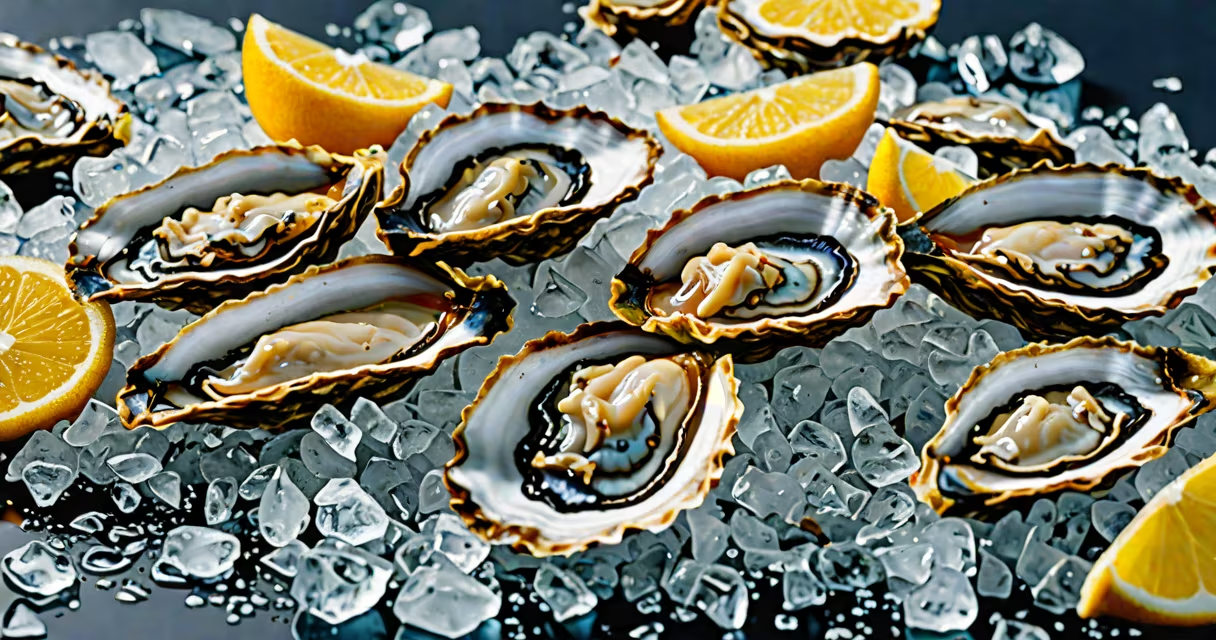
Shellfish like oysters, clams, and mussels are high-risk because they filter seawater. When harvested from contaminated waters, they concentrate viruses. Leafy greens such as lettuce and spinach can become tainted through irrigation water or contact with infected workers during harvesting. Ready-to-eat foods like salads, sandwiches, and baked goods pose risks when prepared in environments where someone with norovirus is working.
The virus enters the food chain primarily through human fecal or vomit contamination. Food handlers who are symptomatic or asymptomatic carriers can transfer the virus via poor hand hygiene. A single sneeze or touch on a surface can spread infectious particles.
Contamination occurs most frequently during food preparation. For example, a kitchen worker handling cut vegetables may not wash hands after using the restroom. The virus then transfers to the food. Unlike bacteria, norovirus doesn't grow in food-it's introduced during handling and remains stable for days on surfaces.
Environmental persistence is a key factor. Norovirus can survive on countertops for up to 12 days and on utensils for several days. Standard cleaning with soap and water fails to kill it. Only bleach-based disinfectants at 1,000 ppm chlorine effectively inactivate it.
Based on CDC data from 2018-2022, the following foods account for the majority of norovirus-related illnesses:
| Foods | Transmission Route | Incidence Rate (per 100K) |
|---|---|---|
| Raw shellfish | Contaminated water during harvest | 27.4 |
| Leafy greens (lettuce, spinach) | Infected farm workers or contaminated irrigation water | 18.6 |
| Ready-to-eat salads | Food prep by infected staff | 15.3 |
| Baked goods (e.g., cupcakes, muffins) | Handling by symptomatic baker | 9.1 |
| Water used in food prep | Contaminated municipal supply | 6.8 |
These figures reflect reported outbreaks in the U.S. between 2018 and 2022. Shellfish consistently rank highest due to bioaccumulation in filter feeders. The FDA estimates that 80% of norovirus cases tied to seafood originate from harvesting areas with sewage discharge.
Many assume cooking kills norovirus. That's false. While heat destroys many pathogens, norovirus tolerates temperatures up to 60°C (140°F) for extended periods. Boiling oysters for 3 minutes still leaves residual infectivity. The virus requires sustained high heat-over 100°C-for 30 seconds to inactivate.
Another misconception is that only visibly dirty food poses a risk. Norovirus is invisible. It cannot be seen, smelled, or tasted. A perfectly clean-looking salad can harbor enough virus to cause illness in multiple people.
A third error is thinking norovirus only affects vulnerable populations. In reality, healthy adults can contract it easily. One study published in Emerging Infectious Diseases found that 73% of norovirus cases in a university dining hall involved students under 25, none with underlying health conditions.
In October 2019, a norovirus outbreak in Washington State sickened 142 people after consuming raw oysters from a single harvest site. The source was traced to a sewage overflow near the harvesting zone. Environmental testing confirmed norovirus in the water at levels exceeding 100 genomic copies per liter.
Public health officials closed the area for 14 days. The oyster supplier recalled 3,200 pounds of product. Despite proper refrigeration, the virus remained viable. Testing showed infectious particles persisted for 21 days in chilled oysters stored at 4°C (39°F).
This case illustrates how environmental contamination bypasses standard food safety protocols. Even certified shellfish beds can fail if upstream pollution events occur.
Preventing norovirus transmission begins with strict hygiene. Food handlers must wash hands with soap and water for at least 20 seconds after using the bathroom, touching surfaces, or handling waste. Alcohol-based sanitizers do not reliably kill norovirus.
For consumers, avoid raw shellfish during peak outbreak seasons (November to April). Wash all produce thoroughly under running water-even pre-washed greens. Use separate cutting boards for raw meats and produce. Disinfect kitchen surfaces with a 1:10 bleach solution after food prep.
When preparing meals, ensure hot foods stay above 60°C (140°F) and cold foods below 5°C (41°F). Reheat leftovers to at least 74°C (165°F) throughout. These steps reduce but don't eliminate risk-because norovirus is resilient, prevention relies on consistent behavior.
I once observed a restaurant kitchen where a cook with mild nausea continued working. Within 48 hours, 12 guests reported severe vomiting. The local health department confirmed norovirus in stool samples from the staff. The incident led to a temporary closure and mandatory training on symptom reporting.
Norovirus found in what food? It's most commonly detected in raw shellfish, leafy greens, and ready-to-eat foods prepared by infected individuals. The virus spreads through human contact, not animal sources. It survives freezing, resists standard cleaners, and causes illness even in tiny amounts.
Understanding which foods carry the highest risk helps reduce exposure. Always wash hands before handling food. Avoid raw shellfish from unverified sources. Check for recalls on fresh produce and prepared meals. The safest approach is treating all ready-to-eat foods as potentially hazardous until proven otherwise.