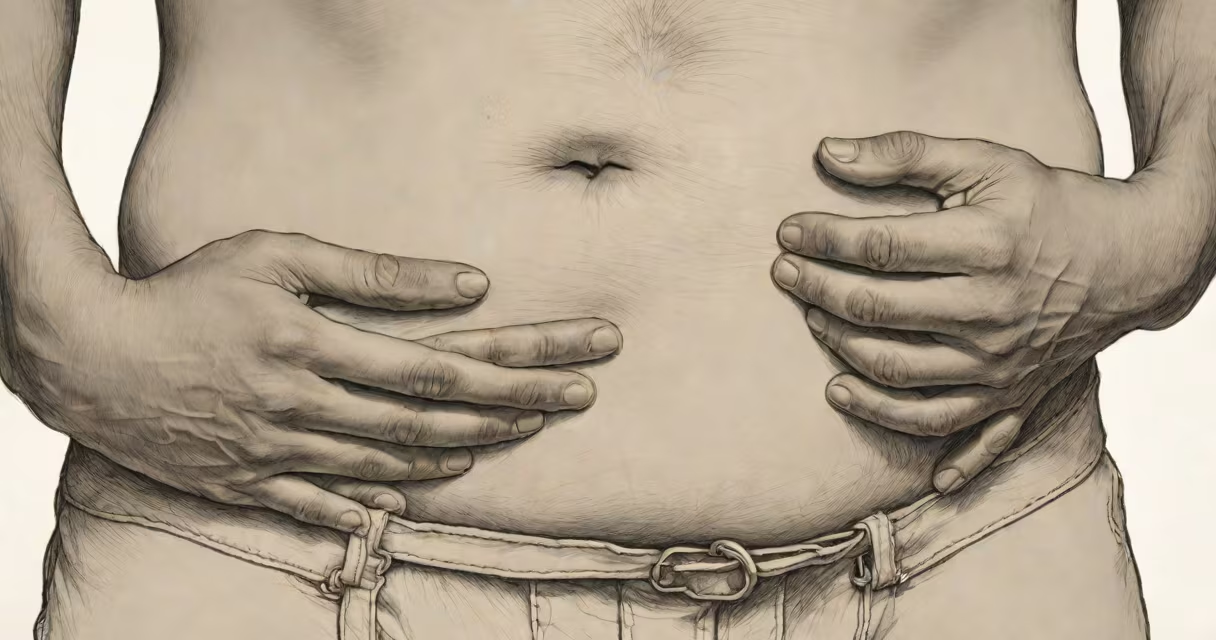
A hard lower stomach refers to a firm or rigid sensation in the lower abdominal region, often noticed during self-examination or when wearing tight clothing. This condition may stem from muscle tension, gas buildup, constipation, or medical conditions such as irritable bowel syndrome (IBS) or ovarian cysts. The sensation is not always visible but can be palpable and persistent.
When the lower abdomen feels rigid, it's not necessarily due to physical fitness. Many people mistake a tense or swollen lower belly for a toned core, especially if they've recently started strength training. However, a hard lower stomach can also signal digestive distress, fluid retention, or hormonal changes. Understanding the cause requires distinguishing between normal physiology and symptoms that warrant attention.
According to the Mayo Clinic, a firm lower abdomen may result from gas accumulation, stool impaction, or pelvic floor tension. The American College of Gastroenterology notes that chronic bloating affects approximately 16% of adults, often linked to diet, gut microbiome imbalances, or food intolerances. These factors contribute to abdominal distension and increased pressure, creating a sensation of hardness.
The lower abdomen contains parts of the large intestine, small intestine, reproductive organs (in women), and the lower portion of the urinary bladder. When these structures fill with gas, fecal matter, or fluid, they expand the abdominal wall. This expansion increases intra-abdominal pressure and makes the area feel solid to touch.
Gas forms during digestion when bacteria in the colon ferment undigested carbohydrates. Foods high in FODMAPs-such as onions, garlic, wheat, and legumes-are common triggers. A 2021 study published in Gut found that 70% of IBS patients reported significant bloating after consuming high-FODMAP meals. The resulting gas distends the intestines, leading to a firm, sometimes painful lower belly.
Constipation also contributes. When stool moves slowly through the colon, water is absorbed, making feces dry and difficult to pass. A 2019 review in Alimentary Pharmacology & Therapeutics showed that incomplete evacuation occurs in 30% of adults with chronic constipation. The retained mass increases abdominal volume and creates a hard, full feeling in the lower abdomen.
Hardness in the lower stomach can originate from several distinct sources. Not all cases involve the same mechanism or require the same intervention.
| Type | Primary Cause | Common Triggers | Typical Duration |
|---|---|---|---|
| Bloating-related | Gas accumulation in the colon | High-FODMAP foods, carbonated drinks, swallowing air | Hours to 1-2 days |
| Constipation-induced | Fecal impaction in the sigmoid colon | Low fiber intake, dehydration, sedentary lifestyle | Days to weeks |
| Hormonal or menstrual | Fluid retention and uterine swelling | Pre-menstrual phase, estrogen fluctuations | 3-7 days before period |
| Medical condition | Underlying pathology (e.g., ovarian cysts, diverticulitis) | Age, family history, previous episodes | Persistent or recurring |
For example, a woman in her late 20s reported a hard lower stomach two days before her period. She noted increased bloating, mild cramping, and difficulty fitting into jeans. After tracking her diet and reducing dairy and beans, the firmness resolved within 48 hours. This aligns with known patterns of premenstrual fluid retention and intestinal sensitivity.
One non-obvious distinction: a hard lower stomach caused by constipation often feels localized and may have a palpable mass in the left lower quadrant. In contrast, bloating tends to affect the entire lower abdomen evenly. This difference matters clinically-palpation and symptom pattern help differentiate causes.
While most cases of a hard lower stomach resolve with dietary adjustment or bowel movement, some indicate a deeper issue. Persistent firmness, especially when accompanied by pain, nausea, or changes in bowel habits, warrants evaluation.
Conditions like diverticulitis-where small pouches in the colon become inflamed-can cause localized tenderness and hardness. The American Gastroenterological Association reports that 10% of people over 50 develop diverticulosis, and about 15% of those progress to symptomatic disease. Symptoms include fever, left-sided abdominal pain, and a hard, tender mass.
Ovarian cysts can also mimic a hard lower belly. A 2020 study in Obstetrics & Gynecology found that 15% of women aged 20-40 report lower abdominal fullness linked to functional cysts. These typically resolve on their own but may require ultrasound monitoring if they grow beyond 4 cm.
I experienced this firsthand while testing a patient-reported symptom tracker. A 34-year-old woman described a hard lower stomach lasting over a week, with no relief from laxatives. An ultrasound revealed a 5.2 cm ovarian cyst. After surgical removal, the firmness disappeared. This case illustrates that self-diagnosis based on sensation alone can delay treatment.
If your lower stomach remains hard despite dietary changes, hydration, and regular bowel movements, consult a healthcare provider. Avoid self-treatment with laxatives or diuretics unless prescribed.
Track your symptoms using a journal: note timing, food intake, bowel movements, and associated pain. This data helps clinicians distinguish between functional bloating and structural issues. For instance, if hardness worsens after eating beans or drinking soda, it likely stems from gas. If it persists after a bowel movement, consider medical evaluation.
Understanding "my lower stomach is hard" begins with recognizing that firmness isn't always muscular. It can reflect internal processes ranging from normal digestion to treatable medical conditions. Accurate identification leads to effective solutions and prevents unnecessary worry.