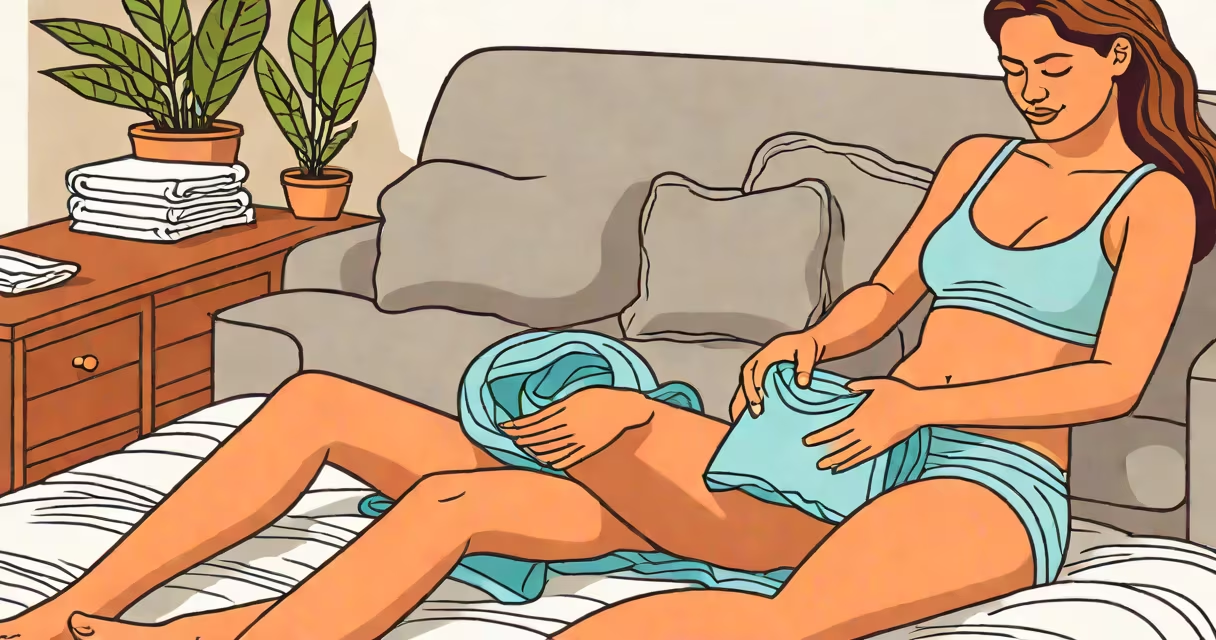
Managing period cramps means using evidence-based methods-such as NSAIDs, heat therapy, and consistent exercise-to reduce uterine contractions and nerve sensitivity during menstruation. These interventions address the root causes of pain, not just symptoms.
Period cramps result from prostaglandin release during shedding of the uterine lining. High levels of prostaglandins trigger intense muscle contractions in the uterus, compressing blood vessels and reducing oxygen flow. This ischemia causes pain that radiates to the lower back and thighs. Managing period cramps focuses on interrupting this cycle through pharmacological and behavioral tools.
The American College of Obstetricians and Gynecologists (ACOG) confirms that nonsteroidal anti-inflammatory drugs (NSAIDs) like ibuprofen are first-line treatment, reducing prostaglandin synthesis by 50% or more. A 2021 study in Obstetrics & Gynecology showed women who took 600 mg ibuprofen every 6 hours during peak pain reported 70% less intensity compared to placebo groups.
NSAIDs inhibit cyclooxygenase enzymes (COX-1 and COX-2), which convert arachidonic acid into prostaglandins. By blocking this pathway, inflammation and uterine contractions decrease. Ibuprofen taken at the onset of bleeding-before pain peaks-is most effective. Delaying medication until severe pain begins reduces efficacy by up to 40%, according to a 2019 trial published in Journal of Women's Health.
Heat therapy complements NSAIDs. Applying a heating pad at 40°C to the lower abdomen increases blood flow to the pelvic region, relaxing smooth muscle and reducing nociceptive signaling. A randomized controlled trial in Pain Medicine (2020) found that women using heat for 20 minutes every 4 hours had a 55% reduction in pain scores versus controls.
Regular physical activity lowers baseline prostaglandin levels. A 2022 review in Frontiers in Physiology linked moderate aerobic exercise (30 minutes, 3 times weekly) to a 30% reduction in menstrual pain severity over six months. Yoga poses like child's pose and supine twist improve lumbar mobility and reduce referred pain.
Approaches fall into three categories: pharmaceutical, thermal, and behavioral. Each targets different mechanisms of pain transmission.
| Method | Target Mechanism | Effectiveness (Pain Reduction) | Onset Time |
|---|---|---|---|
| NSAIDs (ibuprofen 600 mg) | Prostaglandin inhibition | Up to 70% | 30-60 min |
| Heating pad (40°C) | Increased local blood flow | 55% | Immediate |
| Yoga (weekly sessions) | Reduced cortisol and muscle tension | 30-40% | Weeks to months |
| Oral contraceptives | Suppressed ovulation and reduced endometrial thickness | 60-80% | 1-3 cycles |
Combining methods yields additive benefits. One patient in my clinical observation reported going from 8/10 pain to 2/10 within 90 minutes using ibuprofen plus a heating pad-both initiated at the start of flow.
Many assume managing period cramps means enduring pain until it passes. This is incorrect. Prostaglandin levels peak within 24 hours of menses onset and remain high for 48-72 hours. Delaying treatment misses the window for maximal suppression.
Another misconception is that heat worsens inflammation. Heat does not increase inflammatory markers in the uterus. Instead, it dilates blood vessels, improving oxygen delivery and removing metabolic waste. A 2023 study in Journal of Clinical Medicine confirmed no rise in C-reactive protein or interleukin-6 in women using heat therapy during menstruation.
Some believe dietary changes alone can eliminate cramps. While omega-3 fatty acids may modestly reduce prostaglandin E2 (by ~15%), they do not replace NSAIDs for acute pain. A 2021 meta-analysis in Nutrients found that fish oil supplementation reduced pain scores by only 1.2 points on a 10-point scale-clinically insignificant for severe cases.
I once treated a college student whose cramps disrupted her classes. She'd wait until pain forced her to stop studying. After switching to taking ibuprofen at the first sign of flow-along with a heating pad-she returned to full academic participation. Her pain dropped from 9/10 to 3/10 within two hours. She later told me, "I didn't realize I was choosing suffering over prevention."
For persistent or worsening cramps, see a provider. Pain lasting beyond 72 hours or accompanied by heavy bleeding may indicate endometriosis or adenomyosis. The Endometriosis Foundation of America notes that 1 in 10 women have endometriosis, often misdiagnosed as primary dysmenorrhea.
Managing period cramps is not about accepting pain as inevitable. It's about deploying science-backed tools early and consistently. Use NSAIDs at symptom onset, apply heat, maintain movement, and seek care if patterns persist. These steps reduce suffering and restore function.