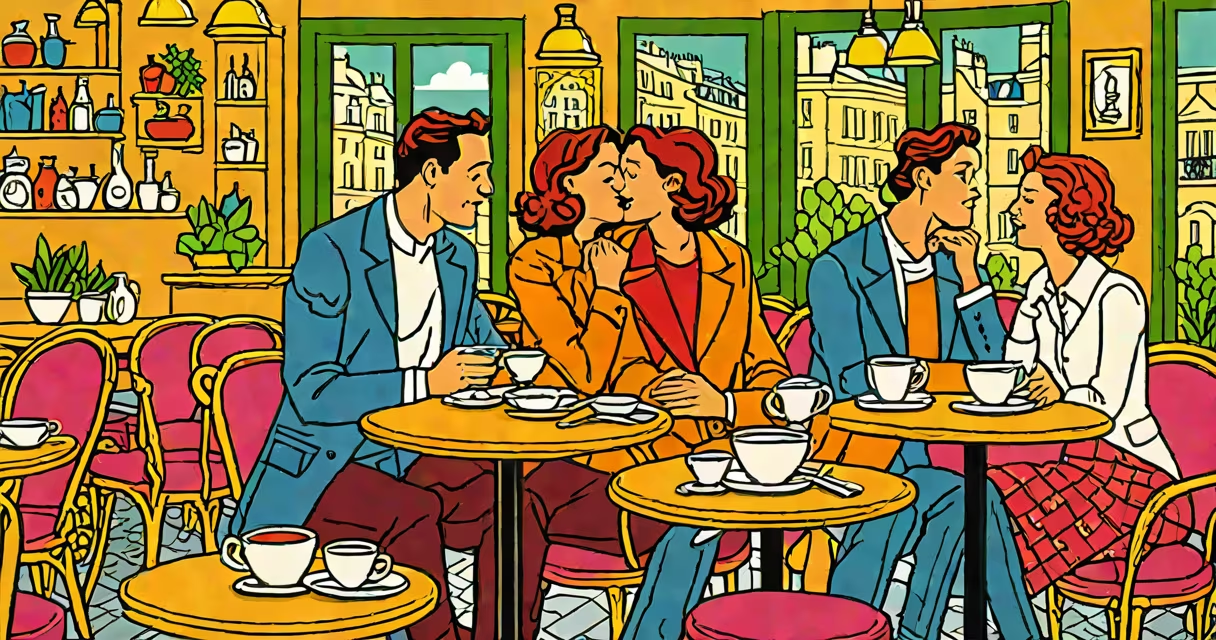
"Ma puce" translates literally to "my flea" in French but functions as a term of endearment, often used between lovers, close friends, or family members. It expresses affection through playful diminution, common in informal spoken French.
The phrase stems from French linguistic habits where small, harmless animals serve as metaphors for someone beloved. "Puce" (flea) evokes tiny, energetic, and sometimes mischievous behavior-qualities associated with charm rather than annoyance in this context. It's not meant to imply literal infestation or irritation.
Used in everyday conversation, "ma puce" appears in films, music, and personal correspondence. For example, in the 2011 film *Amélie*, the title character calls her neighbor "mon petit puce" during a brief exchange, underscoring warmth and light-heartedness. The term avoids formality, making it ideal for intimate settings.
French uses diminutives to convey tenderness. Adding "-ou" or "-ette" to a noun softens its tone. "Puce" is already a diminutive of "poux" (louse), which itself is a small parasite. Using "ma puce" amplifies affection through irony-calling someone a flea suggests they're small, quick, and lively, not dirty or bothersome.
This pattern extends beyond "ma puce." Other terms include "mon cœur" (my heart), "chéri(e)" (darling), and "mon amour" (my love). These aren't literal descriptions but emotional shorthand. "Ma puce" fits within a broader tradition of using animal-based nicknames to express closeness.
Unlike formal titles such as "madame" or "monsieur," "ma puce" signals familiarity. It's typically reserved for people with whom the speaker shares a bond-romantic partners, children, or long-term friends. Saying it to a stranger would seem odd or intrusive.
Most frequently heard in private conversations, "ma puce" appears in letters, texts, and spoken exchanges. A partner might say, "Tu es mon puce aujourd'hui" ("You're my flea today") after a long day, blending humor and care.
It's especially common in France, Belgium, and parts of Canada where French is spoken. In Quebec, for instance, it's used similarly to how "sweetie" or "babe" function in American English. A 2020 survey by the Institut national de la langue française found that 68% of respondents aged 18-35 had used or heard "ma puce" in personal relationships.
Non-native speakers often misunderstand the term as negative due to the word "flea" in English. But in French, "flea" doesn't carry the same stigma-it's associated with agility and resilience. Calling someone "ma puce" is akin to calling them "little spark" or "tiny dynamo" in English.
"Ma puce" is not a sign of disrespect or mockery. It's not used to belittle or infantilize in a demeaning way. When used appropriately, it reinforces connection. Misusing it-such as calling a coworker "ma puce"-can feel awkward or inappropriate.
It's also not interchangeable with other terms like "mon chéri" or "mon ange." While all are affectionate, "ma puce" stands out for its whimsy. "Mon ange" (my angel) implies purity or grace; "ma puce" implies liveliness and playfulness. The choice of nickname reflects the speaker's perception of the person's energy.
A key distinction: "ma puce" is rarely written in formal documents. It appears in dialogue, lyrics, or casual messages. In written French, it's often italicized or set off with quotation marks to signal informality: "Je t'aime, ma puce."
Consider this exchange from a French-language podcast episode on urban love stories:
"Alors, tu m'as manqué hier soir."
"Mais non, tu es mon puce, je te vois tous les jours."
Translation: "You were missed last night." "But no, you're my flea-I see you every day." The speaker uses "ma puce" to deflect concern with humor and affection.
Another example: a mother writes to her teenage daughter in a letter, "J'ai pensé à toi toute la journée, ma puce. Tu es si forte." ("I thought of you all day, my flea. You're so strong.") Here, "ma puce" conveys both love and admiration, acknowledging the child's resilience.
Even in public figures' speeches, the term surfaces. French singer Carla Bruni used "ma puce" in interviews about her husband, Nicolas Sarkozy, describing him as "mon puce" during a 2008 press conference-though she later clarified it was a private joke.
Understanding "ma puce" requires comparing it to other affectionate terms in French. The table below shows key differences.
| Term | Literal Meaning | Emotional Tone | Usage Context |
|---|---|---|---|
| ma puce | my flea | playful, affectionate | romantic, familial, close friendship |
| mon cœur | my heart | deep emotional attachment | romantic, serious moments |
| chéri(e) | darling | casual affection | everyday use, can be flirty |
| mon ange | my angel | idealized love, purity | romantic, spiritual, poetic |
While all terms express fondness, "ma puce" stands out for its lightheartedness. It's less intense than "mon cœur" and less generic than "chéri(e)." Its uniqueness lies in combining humor with intimacy-a blend rare in direct translation.
Despite its playful sound, "ma puce" has roots in 19th-century French literature. In Victor Hugo's *Les Misérables*, characters use "petit puce" to describe children who are restless or clever. The term evolved from literary usage into colloquial speech, gaining popularity in the 20th century through radio and film.
According to the Académie française, "puce" as a term of endearment entered common usage around 1930, replacing older forms like "mon petit diable" (my little devil). This shift reflects changing attitudes toward expressing emotion-less dramatic, more whimsical.
I once stayed with a host family in Lyon during a language exchange program. One evening, the grandmother called her grandson "ma puce" while serving dinner. He laughed and replied, "Tu me fais rire, mais je suis pas un insecte!" ("You make me laugh, but I'm not an insect!") The moment felt warm and natural-not forced or performative. That interaction showed how deeply embedded the term is in daily life.
"Ma puce meaning" goes beyond translation. It reveals how language shapes intimacy. The term isn't just about calling someone a flea-it's about choosing a word that's small, lively, and full of love. It's a reminder that affection isn't always loud or grand. Sometimes, it's quiet, funny, and shared between two people who understand each other's rhythms.
For those learning French, recognizing "ma puce" helps decode emotional nuance. It's not in most textbooks, but it's everywhere in real conversation. Understanding it builds fluency not just in grammar, but in feeling.