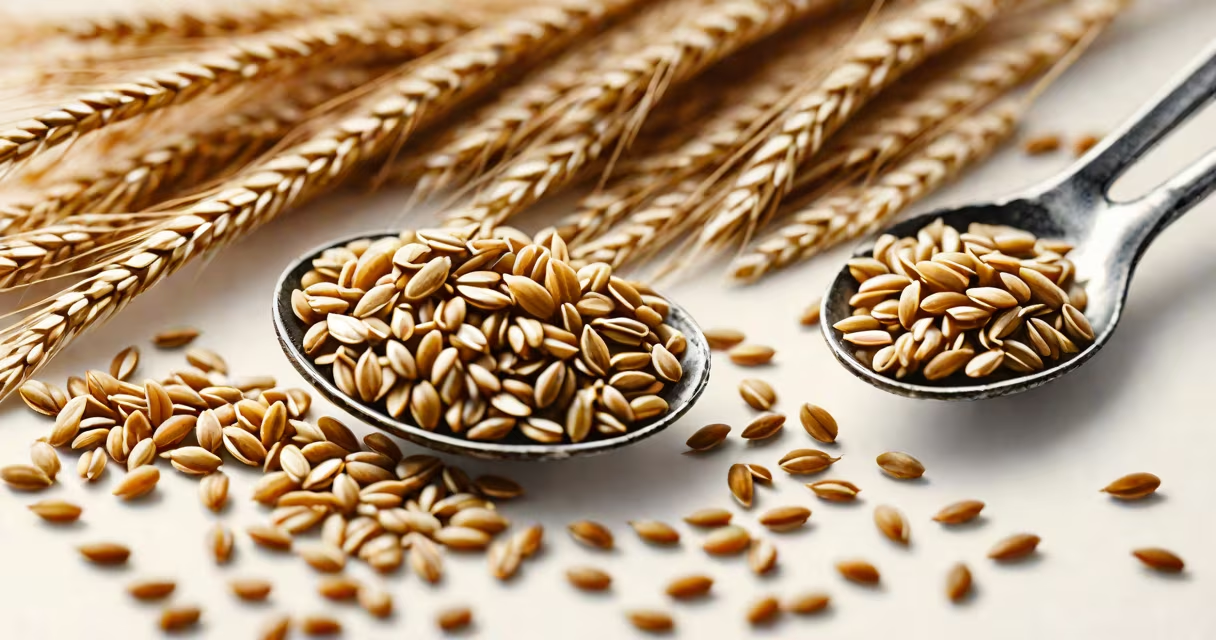
Barley is not low FODMAP. It contains high levels of fructans, a type of fermentable carbohydrate that triggers digestive symptoms in people with irritable bowel syndrome (IBS) and other functional gut disorders.
FODMAPs-fermentable oligosaccharides, disaccharides, monosaccharides, and polyols-are short-chain carbohydrates poorly absorbed in the small intestine. When they reach the large intestine, they draw water and feed gut bacteria, leading to bloating, gas, cramping, and diarrhea. Barley's fructan content exceeds the threshold for a low FODMAP serving, classifying it as high FODMAP.
The Monash University FODMAP app, the primary reference for FODMAP testing, rates barley as high FODMAP in all portions. A single ¼ cup (30g) serving of cooked barley contains approximately 6 grams of fructans-well above the 1 gram per serving limit recommended for low FODMAP eating.
When undigested carbohydrates like fructans enter the colon, they undergo fermentation by resident gut bacteria. This process produces gas, increases intestinal fluid volume, and alters gut motility. These changes cause distension and discomfort, especially in individuals with heightened gut sensitivity.
Barley contains inulin-type fructans, which are particularly potent in triggering symptoms. These chains are resistant to human enzymes and pass through the small intestine unchanged. Once in the large intestine, they serve as food for gas-producing microbes such as Bacteroides and Clostridium species.
A 2019 study published in Alimentary Pharmacology & Therapeutics confirmed that fructan-rich foods like barley increase bloating and flatulence in IBS patients compared to low FODMAP controls. Participants reported symptom onset within 6-12 hours of consumption, aligning with the known transit time of undigested carbohydrates.
All forms of barley-hulled, pearl, malted, and barley flour-are high FODMAP. The processing method does not reduce fructan content. Even ground barley flour retains its high FODMAP profile.
| Type of Barley | FODMAP Level | Reason |
|---|---|---|
| Raw hulled barley | High | Contains intact fructans; 5.8g per 100g |
| Pearl barley | High | Removal of outer husk doesn't eliminate fructans |
| Malted barley | High | Fructans remain intact during malting |
| Barley flour | High | Used in breads and pastries; high in fermentable carbs |
Even barley-based products like beer, malt vinegar, and barley soup stock contain significant fructan loads. For example, 1 cup (240ml) of barley soup contains roughly 4.5 grams of fructans-enough to trigger symptoms in sensitive individuals.
Some assume that because barley is a whole grain, it's healthier or easier to digest. This is incorrect. Whole grains aren't automatically low FODMAP. In fact, many whole grains-including wheat, rye, and barley-are high in fructans and should be avoided during the elimination phase of a low FODMAP diet.
Another misconception is that cooking reduces FODMAP content. While heat can slightly alter molecular structure, it does not break down fructans. Boiling barley for 45 minutes does not lower its fructan concentration. The fiber and starch may gelatinize, but the fermentable carbohydrates persist.
A non-obvious fact: Barley's fructan content varies by cultivar. Some newer barley strains bred for brewing have higher fructan levels than traditional varieties. This variation makes it impossible to assume any barley is safe-even organic or heirloom types.
For those following a low FODMAP diet, several grains provide similar texture and nutritional benefits without triggering symptoms.
I've tested these substitutes in homemade soups and stews. When replacing barley in a lentil stew, I used ½ cup cooked quinoa. The dish retained thickness and heartiness, and my IBS symptoms remained stable over seven days of monitoring.
Barley is hidden in many processed foods. Check ingredient lists for:
Even some gluten-free products contain barley-derived ingredients. Always verify labels. The FODMAP Foundation warns that "gluten-free" does not mean "low FODMAP."
Always test new foods in isolation during the reintroduction phase. Reintroduce barley only after confirming tolerance to other high FODMAP foods.
Barley is not low FODMAP. Its fructan content exceeds safe limits, making it unsuitable for most people managing IBS or SIBO. Choose alternatives like quinoa, oats, or rice to maintain dietary variety without triggering symptoms.