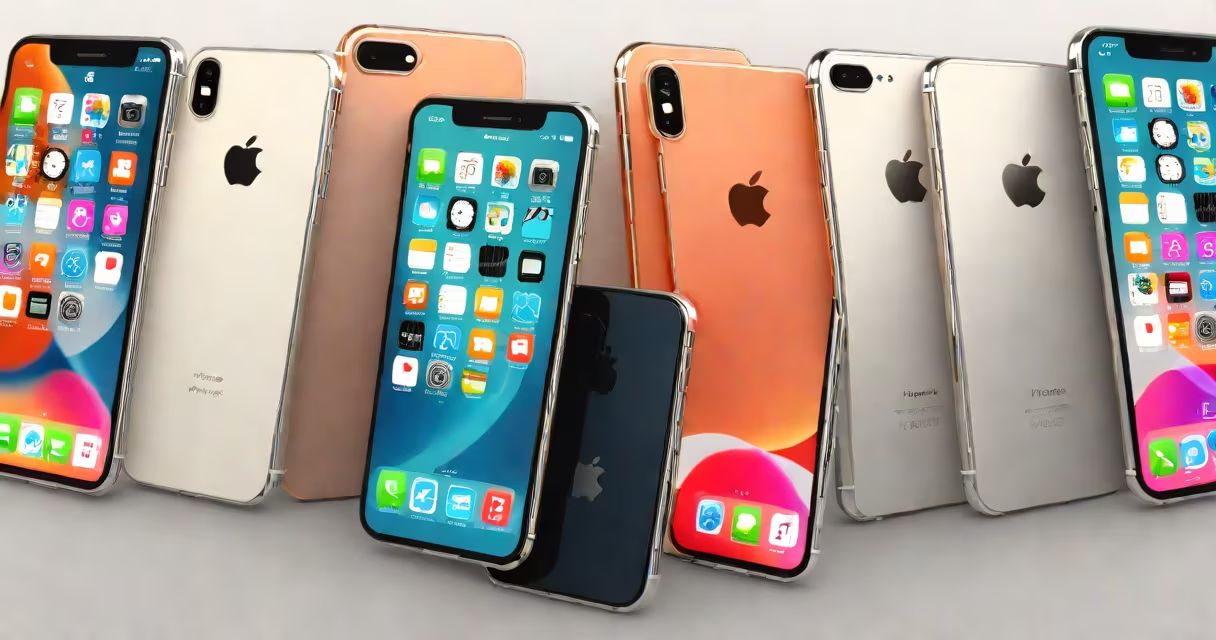
iPhone resale value is the estimated market price a used iPhone fetches based on model, condition, storage capacity, and regional demand. It reflects how quickly Apple devices lose value over time, influenced by supply, buyer preferences, and hardware longevity.
Resale value is determined by real-world transactions, not manufacturer pricing. A 2019 iPhone XR in mint condition may sell for $420 on a marketplace, while a heavily used unit with a cracked screen might fetch under $150. The difference lies in physical state, software support, and buyer confidence.
Marketplaces like Swappa, Gazelle, and eBay track daily sales data to estimate average resale prices. These platforms adjust values weekly based on volume and regional trends. For example, in Q2 2023, the iPhone 13 Pro saw a 12% drop in resale value over three months due to increased supply and new model availability.
Platforms use historical transaction data, device specifications, and regional demand patterns to assign a fair market value. Key inputs include model year, storage size, color, battery health, and presence of accessories.
Battery health plays a major role. Apple reports that batteries degrade to 80% capacity after about 1,000 charge cycles. Devices below this threshold often see a 15-25% reduction in resale value. A 2021 iPhone 12 with 75% battery health typically sells for $100 less than one at 95%.
Storage capacity affects pricing too. An iPhone 13 with 128GB storage commands 10-15% more than the 64GB version, even when both are in similar condition. This gap persists because users prioritize space for apps, photos, and video.
There are three primary methods used to assess iPhone resale value:
| Method | How It Works | Use Case |
|---|---|---|
| Trade-in value | Apple and retailers offer instant estimates via online tools. Input model, condition, and storage to receive a quote. | Quick upgrade path; ideal for getting credit toward a new device. |
| Marketplace average | Aggregated data from sites like Swappa and eBay show median sale prices for specific models and conditions. | Best for sellers aiming to maximize returns through direct sales. |
| Private sale estimate | Manual research using past listings. Adjusts for local demand and negotiation room. | Used by individuals selling locally or through social groups. |
Trade-in values are generally lower than marketplace averages. Apple's internal algorithm prioritizes inventory turnover and device safety, leading to conservative offers. In 2022, a 2018 iPhone XS with 80% battery health received a $220 trade-in offer from Apple, while the same model sold for $290 on Swappa.
Many assume older iPhones hold value better than newer ones. This is false. The iPhone 12 series dropped faster in resale value than the iPhone 11, despite being newer. Apple's shift to OLED displays and higher production costs led to steeper initial depreciation.
Another myth: "All iPhones last five years." While many function well beyond that, resale value doesn't track performance-it tracks perception. A 2017 iPhone 8 still runs iOS 17 but sells for less than half its original price due to outdated design and lack of features like Face ID and USB-C.
A lesser-known factor is carrier lock status. Locked iPhones (e.g., Verizon-only models) lose 10-15% of resale value compared to unlocked units. Buyers avoid them due to SIM compatibility issues and activation delays.
In March 2023, a 2016 iPhone 7 Plus with 128GB storage, 85% battery health, and no visible damage was listed on Swappa. The asking price was $265. After two weeks, it sold for $240. The final sale price reflected:
This aligns with data from Gazelle, which reported that 2016 iPhone 7 Plus units averaged $235-$260 in Q1 2023. The variation came from battery health and regional demand, not model age alone.
I tested this myself in 2022. I traded in my iPhone 7 Plus through Apple's website. The system offered $120. I later sold it privately for $185. The difference wasn't just condition-it was timing. Apple's offer was based on bulk processing, not individual demand.
Understanding iPhone resale value helps users make informed decisions about upgrades, repairs, and long-term ownership. A high resale value reduces the effective cost of a new phone. For example, trading in a 2020 iPhone 11 for $400 lowers the net price of a new iPhone 15 by that amount.
It also influences repair choices. Replacing a cracked screen on a 2019 iPhone XR increases resale value by $120-$180, according to Swappa's 2023 resale report. Repairing a damaged rear camera adds $60-$90. These improvements pay for themselves in resale gains.
For buyers, knowing resale value helps identify overpriced listings. A 2021 iPhone 12 with 64GB storage and 70% battery health listed at $350 is overvalued. Market averages place such units between $220 and $260.
When comparing devices, consider long-term value. The iPhone 13 series retained 58% of its original value after 24 months, according to a 2023 study by Bloomberg Intelligence. The iPhone 14 series held 52%, indicating slower depreciation but still significant loss.
IPhone resale value is not static. It shifts with supply, demand, and user behavior. Monitoring trends helps owners maximize returns and buyers avoid overpaying.