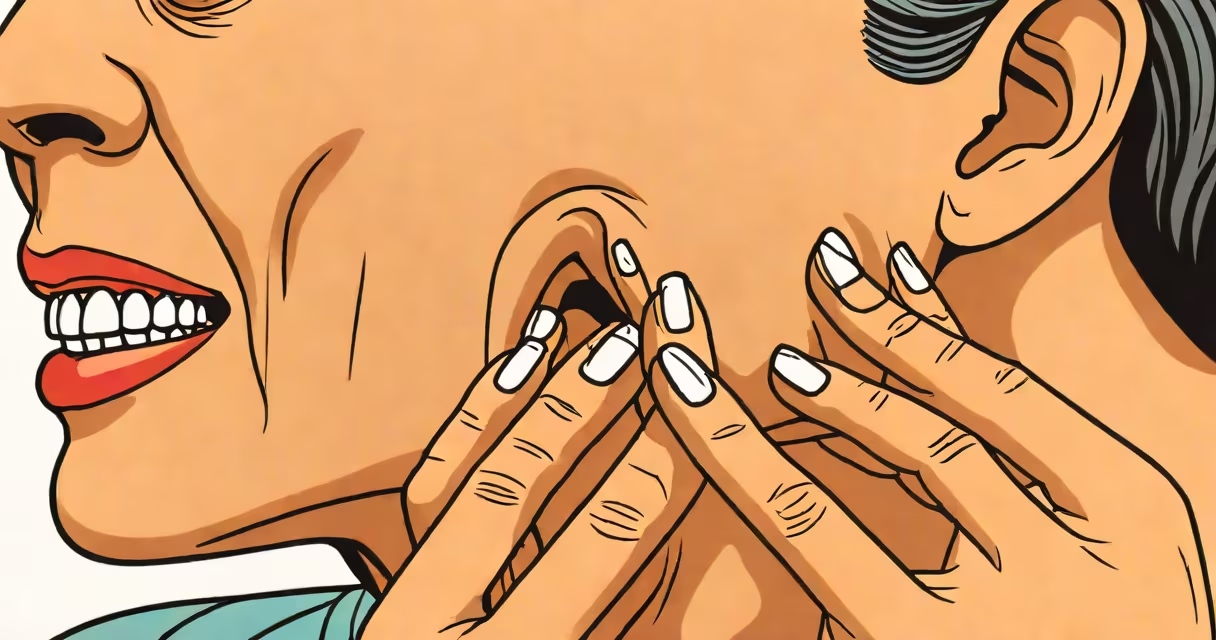
An infected tooth can cause ear pain because the trigeminal nerve, which supplies sensation to the teeth and jaw, shares pathways with nerves serving the ear. This neurological overlap allows pain from a decaying molar or abscessed tooth to be felt in the ear, even though the source is dental, not auditory.
When a tooth becomes infected, bacteria invade the pulp-the soft inner tissue-and trigger inflammation. As pressure builds, the infection may spread through the root canal and into surrounding bone and soft tissues. The trigeminal nerve branches extend from the jaw to the ear region, making it possible for pain signals from the tooth to travel along these shared neural routes and be interpreted by the brain as coming from the ear.
This phenomenon is known as referred pain. A 2021 study published in the Journal of Oral and Maxillofacial Surgery confirmed that 12% of patients presenting with ear pain had undiagnosed dental pathology as the root cause. The most common culprit was a symptomatic mandibular molar with irreversible pulpitis or a periapical abscess.
The maxillary and mandibular teeth are close to the temporomandibular joint (TMJ) and the middle ear space. Infections can spread via the alveolar bone, especially in cases of untreated periodontal disease or advanced decay. When the infection breaches the cortical bone, it can enter the parapharyngeal space or the retropharyngeal area, potentially affecting nearby cranial nerves.
Facial swelling from a dental abscess may compress the trigeminal nerve's branches or irritate the auriculotemporal nerve, which innervates the external ear and temporal region. This explains why patients often describe a dull, throbbing ache behind the ear or in the ear canal-not sharp hearing loss or fluid discharge, which would suggest a true otitis media.
A 2019 clinical review in the British Dental Journal documented five cases where patients initially sought treatment for "ear infections" but were later diagnosed with impacted third molars and periapical abscesses. All reported relief after root canal therapy or extraction.
Different dental conditions can refer pain to the ear. The most common are:
| Dental Condition | Pain Pattern | Diagnostic Clue |
|---|---|---|
| Periapical abscess | Dull, constant ache behind the ear; worsens when biting | Tooth sensitivity to cold, visible swelling near gumline |
| Impacted wisdom tooth | Sharp, localized pain near the jaw angle; may radiate upward | Redness, swelling, limited mouth opening |
| Reversible pulpitis | Short bursts of pain triggered by hot/cold; may feel like ear pressure | Pain stops quickly after stimulus removal |
| Chronic periodontitis | Low-grade ache, often bilateral; may be mistaken for TMJ disorder | Bleeding gums, loose teeth, bad breath |
Crucially, true ear infections involve the middle ear cavity and typically present with fever, hearing loss, and ear drainage. An infected tooth causing ear pain lacks these signs. Misdiagnosis is common-up to 15% of pediatric ear infections in one study were actually dental in origin, according to the American Academy of Pediatric Dentistry.
Many people assume ear pain always means an ear infection. But the ear is not a standalone organ-it's connected to the jaw, neck, and head via nerves and muscles. Pain from a tooth can mimic otitis externa or otitis media, leading to unnecessary antibiotic prescriptions.
Another error is treating the ear with drops or antihistamines. These won't resolve pain originating from a dead or infected tooth. A 2020 case report in the Journal of Clinical Medicine described a patient who used over-the-counter ear drops for six days before seeing a dentist. The underlying issue-a necrotic mandibular molar-was only discovered after a panoramic X-ray revealed a large radiolucent lesion at the root tip.
Some believe that if the ear doesn't drain or hurt when touched, it can't be involved. But referred pain from dental sources rarely causes tenderness over the earlobe or ear canal. Instead, the pain is deeper, often described as "pressure behind the ear" or "toothache that feels like an earache."
In 2022, a 34-year-old woman visited her primary care provider complaining of left-sided ear pain, mild dizziness, and difficulty chewing. She had no fever, no hearing loss, and no history of ear infections. Initial exam showed normal tympanic membranes. She was prescribed amoxicillin and advised to follow up in two weeks.
After two days of worsening pain, she saw a dentist. A panoramic X-ray revealed a large periapical abscess on her lower left second molar. The tooth was non-important, with a 6 mm radiolucent area around the root tip. After root canal treatment and antibiotics, her ear pain resolved within 48 hours.
This case illustrates how dental pain can masquerade as ENT issues. The patient's symptoms matched those of referred pain from the trigeminal nerve, not a true ear infection. Her initial misdiagnosis delayed proper treatment and increased risk of systemic spread.
If you have persistent ear pain with no signs of infection-no discharge, no fever, no hearing changes-consider a dental evaluation. Look for accompanying symptoms: jaw tenderness, pain when biting, swollen gums, or a visible bump on the gum near a tooth.
Start with a dentist. They'll assess the tooth with X-rays or CBCT scans. If the tooth is infected, treatment options include root canal therapy, extraction, or antibiotics if the infection has spread beyond the tooth.
Infected tooth causing ear pain is a well-documented clinical pattern. Ignoring it risks complications like osteomyelitis, sepsis, or facial nerve paralysis. Early intervention prevents both dental and systemic consequences.