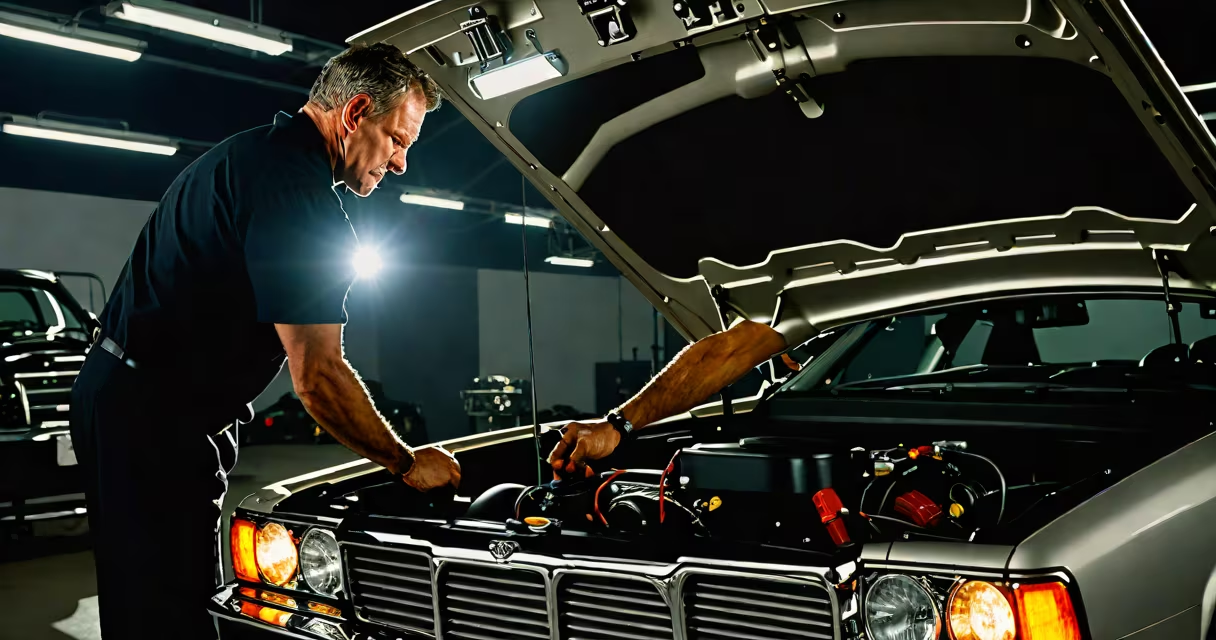
An independent car appraisal is a professional, third-party assessment of a vehicle's market value based on physical inspection, repair history, mileage, and current market conditions. It is conducted by a licensed or certified appraiser not affiliated with the buyer, seller, or dealer. This process ensures an objective valuation free from financial incentives.
Unlike dealership estimates or online tools that rely on algorithms, an independent car appraisal combines visual and mechanical inspection with regional pricing data. The result is a detailed report that reflects the car's actual condition and fair market worth. These reports are often used in transactions involving high-value vehicles, insurance settlements, estate distributions, or legal proceedings.
For example, a 2018 Toyota Camry with 68,000 miles was appraised in Denver, Colorado. The appraiser noted minor paint swirls, worn front tires, and a clean title. After cross-referencing local listings and recent sales data, the final value was set at $17,200-$1,800 below the asking price. This discrepancy revealed the listing was inflated, saving the potential buyer thousands.
The process begins with a scheduled inspection, typically lasting 60 to 90 minutes. The appraiser evaluates both visible and hidden components. Exterior features include paint integrity, dents, and wheel alignment. Interior checks cover upholstery wear, dashboard function, and electronic systems. Under the hood, the technician assesses fluid levels, battery health, and signs of engine stress.
After the physical review, the appraiser consults databases such as Kelley Blue Book (KBB), Edmunds, and local classifieds. They adjust the base value based on factors like accident history, service records, and regional demand. For instance, a 2016 Honda Civic with 110,000 miles in Phoenix, Arizona, may sell for 12% less than the national average due to higher humidity-related rust risks in that climate zone.
Finally, the appraiser compiles a written report including photos, a summary of findings, and a calculated fair market value. The report includes a disclaimer stating it is not a warranty or certification of roadworthiness. Some states require appraisers to be registered with the Department of Motor Vehicles or hold credentials from organizations like the National Institute of Automotive Service Excellence (ASE).
Not all independent car appraisals serve the same purpose. The most common types differ in depth, cost, and intended application.
| Type | Scope | Typical Cost | Best For |
|---|---|---|---|
| Basic Inspection | Visual check, odometer verification, title status | $75-$150 | Quick resale estimate, pre-purchase screening |
| Standard Appraisal | Full walk-around, engine test, diagnostic scan | $200-$400 | Sales negotiations, insurance claims, divorce settlements |
| High-Value Vehicle Appraisal | Detail inspection, paint thickness testing, frame measurement | $500+ | Luxury cars, classic vehicles, auction pre-screening |
For example, a 1970 Chevrolet Chevelle SS was appraised before being offered at a collector's auction. The appraiser used a magnetic thickness gauge to detect repainting on the trunk lid-a sign of prior damage. Combined with a VIN check showing a rebuilt title, the final value dropped by 38% compared to a similar model with clean history.
Many people confuse an independent car appraisal with a mechanic's inspection or a dealer's trade-in offer. A mechanic assesses drivability and repair needs. A dealer's quote reflects their internal profit margin and inventory strategy. An independent appraisal measures market value based on objective criteria.
A critical distinction lies in conflict of interest. Dealerships have a financial incentive to undervalue vehicles they buy back. Mechanics may overlook cosmetic flaws if they plan to fix them. An independent appraiser has no stake in the transaction-this neutrality is legally protected in many states under consumer protection laws.
Another misconception is that online tools like KBB Instant Cash Offer provide accurate valuations. While useful for ballpark figures, these tools ignore wear patterns, localized demand, and unreported accidents. A 2019 Ford F-150 with 82,000 miles in rural Iowa sold for $2,300 less than the KBB estimate because local buyers preferred older models with lower mileage.
In 2022, a dispute arose between two siblings over the division of their late father's 2015 BMW 335i. One sibling claimed it was worth $28,000 based on a private sale listing. The other argued it was worth $21,000 due to water damage and a faulty transmission. A court ordered an independent car appraisal.
The appraiser inspected the vehicle, ran a diagnostic scan, and verified repair receipts. They confirmed a past flood event had damaged the electrical system, leading to intermittent power loss. The transmission showed signs of slippage. Based on these findings and 14 comparable sales in the region, the final value was $20,450. The court accepted the report as evidence, and the asset was divided accordingly.
As a former automotive technician, I once witnessed a case where a used car dealer misrepresented a vehicle's condition. After a client hired an independent appraiser, the report revealed a cracked engine block. The dealer had concealed the issue during the sale. The appraiser's documentation led to a refund and a formal complaint filed with the Better Business Bureau.
Independent car appraisal provides clarity in high-stakes situations. It removes emotional bias and prevents overpayment or underestimation. According to the National Automobile Dealers Association (NADA), 62% of consumers who used a third-party appraisal reported greater confidence in their purchase decisions.
For insurance purposes, an independent appraisal supports claim accuracy. When a totaled vehicle is valued at $12,000 by the insurer but the owner believes it's worth $15,000, an independent appraisal can validate the higher figure. The Insurance Information Institute confirms that courts accept these reports as evidence in disputes over settlement amounts.
When buying or selling a car, especially above $10,000, an independent car appraisal is not optional-it's essential. It protects against fraud, ensures transparency, and aligns expectations with reality. preparing for a sale, this tool delivers a factual foundation.
Understanding what an independent car appraisal is-and how it differs from automated estimates or dealer offers-empowers you to make informed decisions. It's not just about numbers. It's about trust, accuracy, and fairness in every transaction.