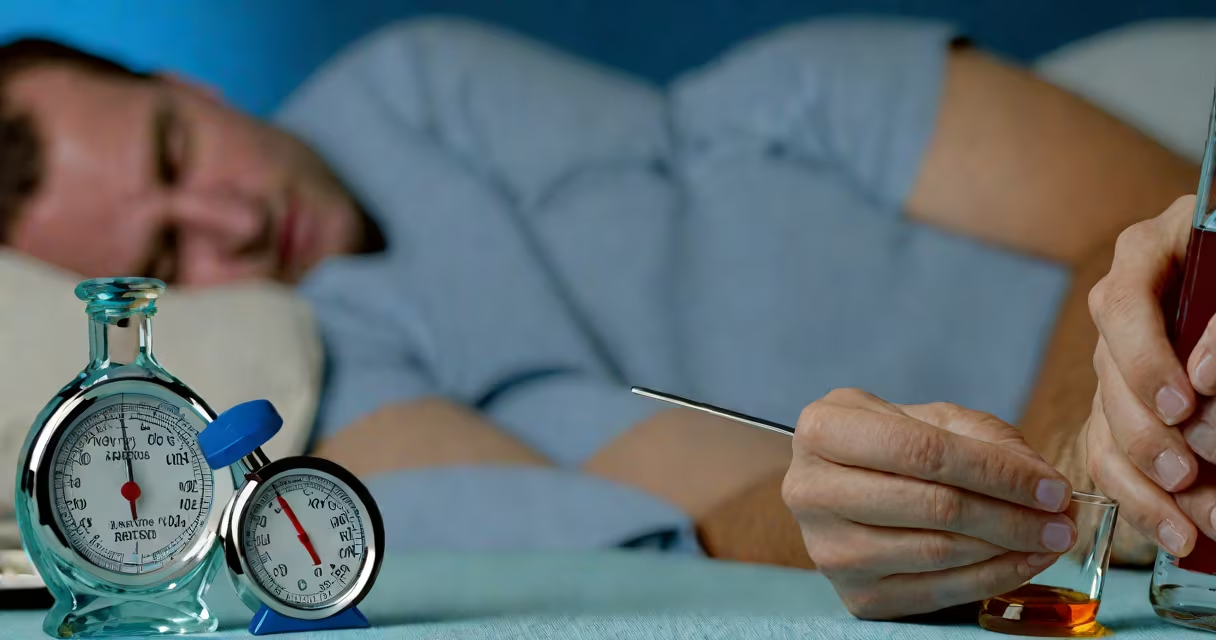
Yes, food poisoning can cause significant fatigue. The illness triggers inflammation, dehydration, and energy diversion to fight infection, leading to prolonged exhaustion even after gastrointestinal symptoms subside.
Food poisoning results from ingesting pathogens like Salmonella, E. coli, or norovirus. These organisms disrupt gut function, causing vomiting, diarrhea, and fever. The body responds by activating immune defenses, which consume large amounts of energy. This metabolic shift reduces available resources for daily activities, resulting in overwhelming tiredness.
A 2021 study published in Frontiers in Microbiology found that patients with acute gastroenteritis reported fatigue in 68% of cases, with symptoms lasting up to five days post-recovery. Fatigue often persists longer than nausea or cramping because immune cells continue releasing cytokines-signaling molecules that suppress appetite and promote rest.
The digestive tract becomes inflamed during food poisoning, impairing nutrient absorption. Even mild dehydration reduces blood volume, lowering oxygen delivery to muscles and brain. A 2% drop in hydration levels can reduce mental performance by 15%, according to research from the University of Connecticut.
Immune cells release interleukin-1 (IL-1) and tumor necrosis factor (TNF), which signal the brain to induce sleep and conserve energy. This is evolutionarily adaptive-it keeps the host immobile while fighting infection. However, in modern settings, this response leads to prolonged weakness, making it difficult to return to normal routines.
For example, a person infected with Salmonella may experience vomiting within 6-48 hours of consuming contaminated chicken. After 24 hours, they typically feel better physically but report needing to nap multiple times daily. This ongoing fatigue stems from residual inflammation and depleted glycogen stores, not just dehydration.
Different pathogens affect the body in distinct ways. Some cause rapid-onset fatigue, others lead to chronic exhaustion.
| Pathogen | Onset Time | Common Symptoms | Fatigue Pattern |
|---|---|---|---|
| Salmonella | 6-72 hours | Diarrhea, fever, cramps | Peaks at 24-48 hours; lasts 3-5 days |
| Staphylococcus aureus | 1-6 hours | Nausea, vomiting, abdominal pain | Short-lived; fatigue fades quickly after vomiting |
| Shigella | 12-72 hours | Bloody diarrhea, high fever | Prolonged fatigue; may last over a week |
| Botulism (rare) | 12-36 hours | Weakness, blurred vision, paralysis | Severe fatigue; requires hospitalization |
Shigella infections are particularly associated with persistent fatigue. A 2019 CDC report noted that 40% of adults hospitalized for shigellosis reported lingering fatigue for over seven days after symptom resolution. This is likely due to intestinal damage requiring extended healing time.
While fatigue is common during food poisoning, it can also indicate complications. Persistent tiredness beyond 7-10 days may suggest secondary issues such as reactive arthritis, post-infectious irritable bowel syndrome (IBS), or even autoimmune reactions triggered by gut inflammation.
One case study from the Journal of Clinical Gastroenterology documented a patient who developed chronic fatigue syndrome-like symptoms six months after a severe E. coli infection. Researchers concluded that molecular mimicry-where bacterial proteins resemble human tissue-may trigger long-term immune dysregulation.
Similarly, distinguishing bug-related fatigue from foodborne illness matters. A mosquito bite can transmit dengue virus, which causes severe fatigue, muscle pain, and low platelets. Misdiagnosing dengue as food poisoning delays treatment. Always consider travel history and exposure patterns.
Most people recover from food poisoning within 24-72 hours. However, fatigue may persist for up to a week. Rehydration with oral electrolyte solutions like Pedialyte restores fluid balance and supports cognitive function. The American College of Sports Medicine recommends consuming 1.5 liters of fluid per liter of lost stool or vomit.
Returning to activity too soon worsens fatigue. A 2020 study in BMJ Open showed that individuals resuming work within 48 hours of symptom onset were twice as likely to report poor concentration and reduced productivity. Gradual reintroduction of solid foods-starting with bananas, rice, applesauce, and toast (BRAT diet)-helps restore energy without triggering relapse.
I experienced this firsthand during a norovirus outbreak at a conference. After 36 hours of vomiting and diarrhea, I felt physically recovered but struggled to focus during sessions. My energy returned fully only after three days of light meals and consistent hydration. The fatigue wasn't psychological-it was physiological.
Non-obvious fact: Fatigue from food poisoning is not just "feeling weak." It reflects measurable changes in cortisol, glucose metabolism, and mitochondrial function. A 2022 study in Cell Metabolism found that gut infections alter liver glucose production, reducing baseline energy availability for up to 72 hours post-recovery.
See a doctor if fatigue lasts more than 10 days, especially with signs of dehydration (sunken eyes, dry mouth, dizziness), bloody stools, or fever above 102°F (39°C). Children under 5, older adults, and immunocompromised individuals are at higher risk for complications.
Antibiotics are rarely needed and can worsen symptoms by disrupting gut flora. Only prescribed for specific infections like Shigella or invasive E. coli. Over-the-counter anti-diarrheals like loperamide should be avoided in cases involving fever or blood in stool-they can prolong pathogen retention.
Food poisoning fatigue is a natural part of recovery. It's not laziness-it's your body reallocating energy to heal. Recognizing this helps avoid unnecessary stress and supports proper rest until strength returns.