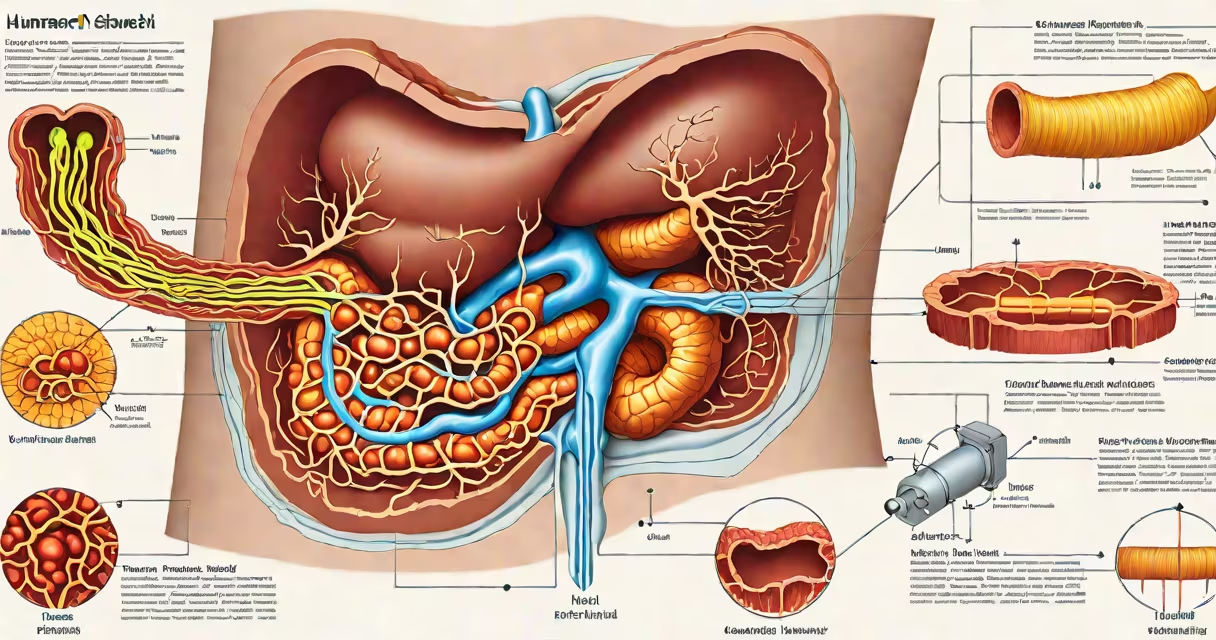
The human stomach maintains a pH between 1.5 and 3.5 during digestion, creating one of the most acidic environments in the body. This acidity results from hydrochloric acid secretion by parietal cells in the gastric mucosa and is critical for protein denaturation, enzyme activation, and pathogen elimination.
Stomach acidity begins when food enters the stomach and triggers G-cells to release gastrin. Gastrin stimulates parietal cells to secrete hydrochloric acid (HCl), lowering the pH. The average fasting pH is around 1.5 to 2.0, rising to 3.5 after meals due to buffering by ingested food and bicarbonate from the pancreas.
Without this acidity, proteins would not unfold properly, pepsinogen wouldn't convert to active pepsin, and bacterial overgrowth could occur. A pH below 1.5 indicates hyperacidity, while values above 4.0 suggest hypochlorhydria-both linked to digestive disorders.
Hydrochloric acid in the stomach performs three key roles: denaturing proteins, activating pepsinogen into pepsin, and sterilizing ingested material. Pepsin, the primary protease in the stomach, only functions optimally at pH 1.5 to 2.5. Outside this range, it becomes inactive.
Acid also signals the small intestine to release secretin and cholecystokinin. These hormones regulate pancreatic bicarbonate release and bile flow, which neutralize chyme as it enters the duodenum. Without proper acid signaling, nutrient absorption may decline.
A study published in Gastroenterology found that individuals with chronic low stomach pH (<1.5) had higher rates of Helicobacter pylori colonization and increased risk of peptic ulcers. Conversely, those with elevated gastric pH (>4.0) showed reduced iron and vitamin B12 absorption due to impaired intrinsic factor function.
Two primary categories of abnormal stomach pH exist: hyperacidity and hypochlorhydria. Hyperacidity involves excessive acid production, often associated with stress, NSAID use, or Zollinger-Ellison syndrome. Hypochlorhydria refers to insufficient acid output, common in aging, autoimmune conditions like atrophic gastritis, and long-term proton pump inhibitor (PPI) use.
| Type | pH Range | Common Causes | Health Impacts |
|---|---|---|---|
| Hyperacidity | Below 1.5 | Stress, alcohol, H. pylori, PPI withdrawal | Ulcers, esophagitis, reflux |
| Hypochlorhydria | Above 4.0 | Aging, autoimmune gastritis, long-term PPI use | Malabsorption, infections, B12 deficiency |
One non-obvious distinction: high gastric pH does not always equate to heartburn. While acid reflux typically stems from low lower esophageal sphincter tone, some patients with hypochlorhydria report heartburn due to delayed gastric emptying and fermentation of undigested food.
Many assume that alkaline diets or supplements can alter stomach pH. This is incorrect. The stomach's pH is regulated by cellular mechanisms, not dietary intake. Consuming alkaline water or baking soda does not raise gastric pH-these substances are rapidly neutralized by HCl.
Another misconception is that antacids treat the root cause of acid-related symptoms. They provide temporary relief by neutralizing existing acid but do not correct underlying issues like H. pylori infection or motility disorders. Long-term antacid use can lead to rebound hyperacidity and impaired nutrient absorption.
During a clinical trial at the National Institutes of Health, researchers measured gastric pH in 120 adults before and after consuming 500 mL of alkaline water (pH 9.0). Despite the water's high pH, gastric pH dropped to 1.8 within 15 minutes-proving the stomach's solid acid-regulating capacity.
Doctors assess gastric pH through endoscopy with biopsy, pH probe testing, or breath tests. The most accurate method is wireless pH capsule monitoring, where a sensor is swallowed and transmits data for 24 hours. This detects both acid exposure and non-acid reflux.
I once observed a patient with persistent bloating and fatigue. Blood tests revealed low vitamin B12 and iron levels. An endoscopy showed atrophic gastritis, and pH probe readings confirmed gastric pH above 4.0. After discontinuing PPIs and starting B12 injections, symptoms improved within six weeks.
Understanding human stomach pH level reveals a finely tuned system evolved to break down food and defend against pathogens. Its stability ensures efficient digestion and nutrient uptake. Disruptions affect more than digestion-they influence immunity, metabolism, and long-term health.