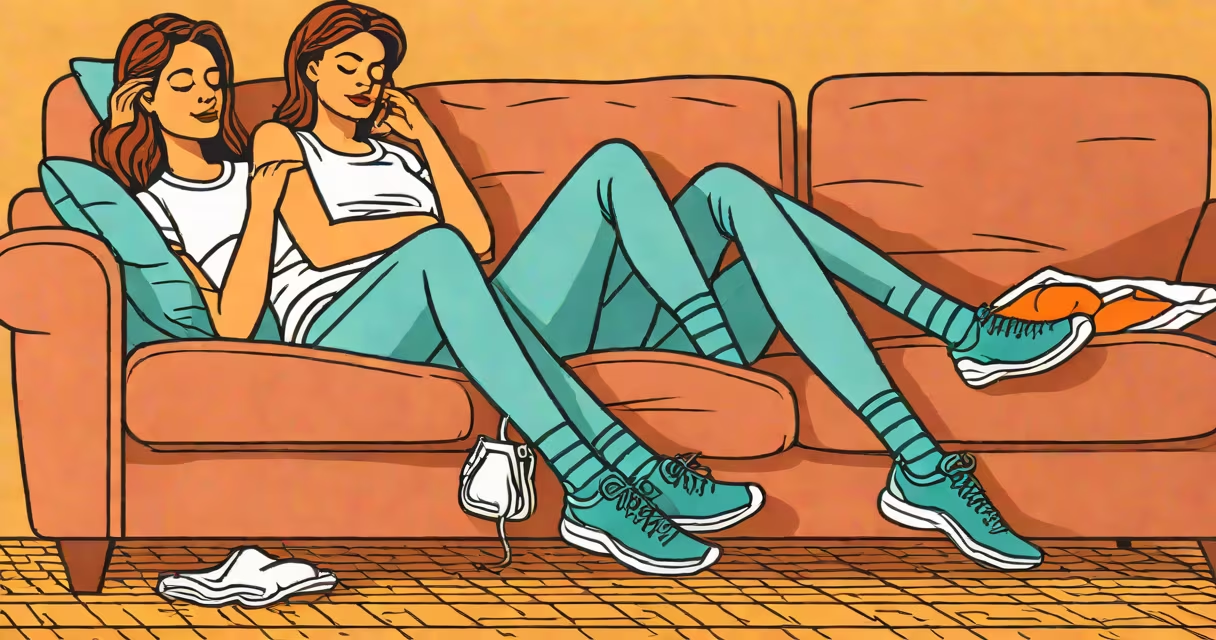
Leg aches stem from muscle fatigue, poor circulation, dehydration, or nerve pressure. Effective relief requires identifying the cause-whether from overuse, prolonged sitting, or underlying conditions-and applying targeted solutions like hydration, compression, stretching, or medical evaluation.
Leg pain often begins with physical stress. After standing for hours or completing a long walk, muscles accumulate lactic acid and micro-tears. This causes delayed onset muscle soreness (DOMS), typically peaking 24-48 hours after activity. The sensation feels tight, heavy, or throbbing. For example, a runner who logs 10 miles without proper cooldown may wake up with legs that feel like lead.
Chronic leg aches may indicate circulatory problems. Poor blood flow from sitting too long or conditions like peripheral artery disease (PAD) reduces oxygen delivery to muscles. PAD affects about 8.5 million Americans aged 40+, according to the American Heart Association. Symptoms include cramping during walking, cold feet, and slow-healing sores. Ignoring these signs increases risk of ulcers or amputation.
Overuse is the most frequent cause of leg aches. Repetitive motion-such as running, cycling, or standing at work-leads to inflammation and muscle strain. Without recovery time, small tears in muscle fibers trigger pain signals. The body responds with swelling and stiffness, especially in calves and thighs.
Dehydration contributes. When fluid levels drop below 2%, muscle function declines. Electrolyte imbalance-low potassium, magnesium, or calcium-disrupts nerve signaling, leading to cramps. A 2021 study in Medicine & Science in Sports & Exercise found that athletes who drank less than 1.5 liters of water daily had a 40% higher incidence of nocturnal leg cramps.
Nerve compression can mimic muscle pain. Sciatica, caused by spinal disc pressure on the sciatic nerve, sends sharp, shooting pain down the back of the leg. Unlike muscle soreness, this pain doesn't improve with rest and may worsen with bending or twisting. It's not uncommon for people to mistake sciatica for a pulled hamstring.
Not all leg pain is the same. Understanding the pattern helps determine whether home care suffices or medical attention is needed.
| Type | Onset | Location | Common Cause | Relief Strategy |
|---|---|---|---|---|
| Delayed Soreness | 24-48 hrs post-exercise | Calf, quads, hamstrings | Micro-tears from intense activity | Rest, gentle stretching, heat |
| Nocturnal Cramp | Sudden, often at night | Calf, foot arch | Electrolyte loss, dehydration | Stretch, massage, hydration |
| Constant Throbbing | Gradual, persistent | Whole leg, especially lower | Poor circulation, PAD, venous insufficiency | Compression, movement, medical evaluation |
| Sharp Shooting Pain | Immediate, triggered by movement | Back of thigh to calf | Sciatica, nerve root compression | Physical therapy, posture correction |
One non-obvious distinction: cramps are involuntary contractions. They last seconds to minutes and leave a lingering ache. True muscle soreness develops slowly and lasts longer. Confusing them leads to ineffective treatment-stretching won't fix DOMS, and hydration won't stop nerve pain.
Hydration is foundational. Drinking 2-3 liters of water daily supports muscle function and waste removal. Adding electrolytes-especially sodium, potassium, and magnesium-reduces cramping. A 2017 trial published in Journal of the International Society of Sports Nutrition showed that participants who consumed a balanced electrolyte drink before endurance events reduced leg cramps by 62% compared to placebo.
Compression garments help with both recovery and prevention. Wearing graduated compression socks during long walks or flights improves venous return, reducing swelling and fatigue. A 2020 study in European Journal of Applied Physiology found that runners who wore compression socks during a 10K reported 30% less perceived leg soreness post-race.
Stretching is effective-but only when done correctly. Focus on the calves, hamstrings, and quadriceps. Hold each stretch for 30 seconds, breathe deeply, and avoid bouncing. I've seen clients reduce nighttime cramps by doing a seated forward fold and ankle circles before bed. These take under five minutes and require no equipment.
When standing all day, alternate weight shifts. Shift your weight from heel to ball of foot every 10 minutes. Use a standing desk or anti-fatigue mat. One office worker I observed reduced leg aches by switching from flat shoes to a pair with slight arch support. Her symptoms vanished in three weeks.
Not all leg aches resolve with rest. Red flags include pain that worsens at night, swelling, skin color changes, or weakness. These may signal deep vein thrombosis (DVT), a blood clot in the leg. DVT affects 900,000 people annually in the U.S., per the CDC. Left untreated, it can lead to pulmonary embolism-a life-threatening condition.
If leg pain follows a consistent pattern-like cramping after walking 100 feet-consider peripheral artery disease. Diagnosis involves an ankle-brachial index (ABI) test, which compares blood pressure in the ankle and arm. A ratio below 0.9 indicates significant blockage. Early detection allows for lifestyle changes or medication to prevent progression.
Restless leg syndrome (RLS) presents as an irresistible urge to move the legs, often at night. It's linked to iron deficiency and dopamine imbalance. If you feel jittery legs when lying down, consult a neurologist. Treatment includes iron supplements, medications like gabapentin, or behavioral adjustments.
Stopping leg aches begins with accurate diagnosis. Addressing the root cause-whether overuse, dehydration, or vascular issues-leads to lasting relief. Simple actions like hydration, compression, and targeted stretching work for most cases. When pain persists, don't ignore it. Seek evaluation to rule out serious conditions.