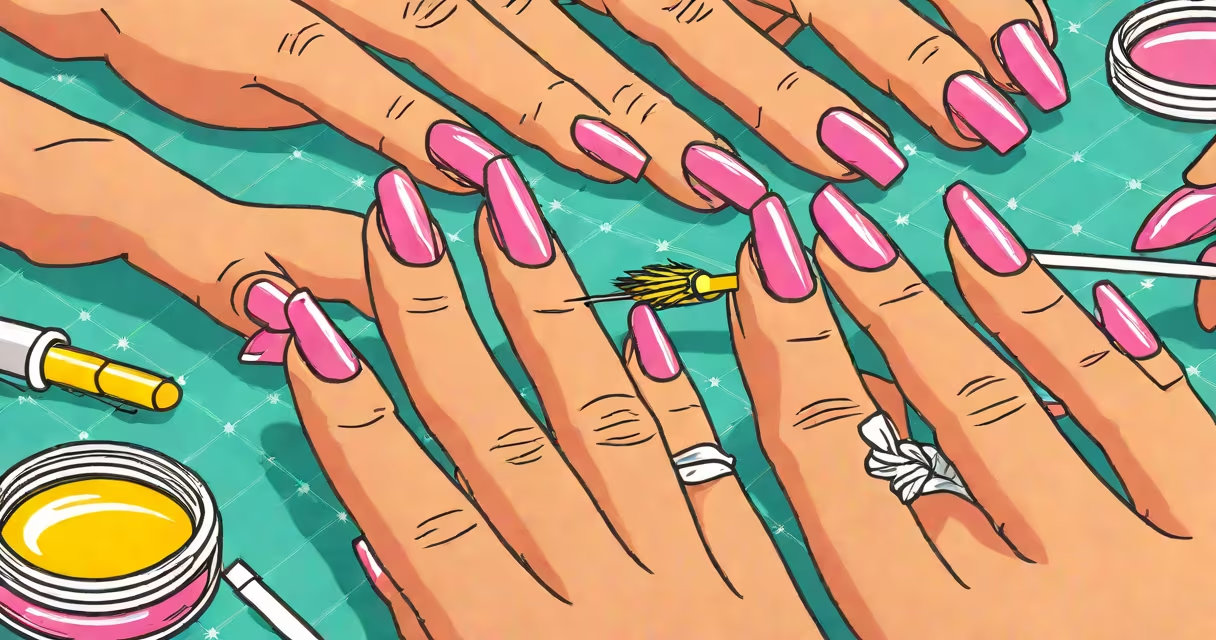
Removing false nails without acetone involves soaking them in oil-based solutions or using gentle mechanical methods to loosen adhesive without damaging natural nails. This approach prevents dryness, brittleness, and peeling common with acetone exposure.
Dermatologists recommend avoiding acetone for frequent nail enhancements because it strips keratin and weakens the nail plate. The American Academy of Dermatology notes that repeated acetone use increases risk of nail splitting and fungal infection. Instead, oil-based removers work by breaking down the polymer glue used in press-on and gel extensions.
For those with sensitive skin or brittle nails, acetone-free removal is essential. A 2022 study in the Journal of the American Academy of Dermatology found that 68% of participants experienced improved nail strength after switching to oil-based removal. The key is patience-forcing removal causes damage. Allow 10-15 minutes of soaking time per session.
False nails adhere via cyanoacrylate or acrylic-based glues. These polymers dissolve slowly in oils like coconut, olive, or almond oil. When soaked, the oil penetrates the bond layer between the false nail and natural nail, softening the adhesive. This allows the false nail to lift with minimal pressure.
Unlike acetone, which rapidly evaporates and dehydrates the nail bed, oils condition the nail while dissolving the glue. Coconut oil contains lauric acid, which disrupts polymer chains through hydrophobic interactions. Olive oil's oleic acid acts similarly. Both penetrate the adhesive interface without stripping moisture from the nail plate.
Manual lifting begins after 10 minutes of soaking. Gently slide a wooden stick or orangewood stick under the edge. Apply light pressure-never pry. If resistance remains, re-soak for another 5 minutes. Repeated attempts reduce trauma compared to aggressive scraping.
Choose based on your nail type, available tools, and time. The most effective methods combine oil soaking with mechanical release.
| Method | Time Required | Best For | Effectiveness |
|---|---|---|---|
| Coconut oil soak | 15-20 min | Brittle or thin nails | High |
| Olive oil and cotton pads | 10-15 min | Press-ons with strong adhesive | Medium-high |
| Almond oil with warm water | 20 min | Sensitive skin or allergies | Medium |
| Commercial acetone-free removers | 5-10 min | Quick removal, travel use | High |
Commercial acetone-free removers often contain ethyl lactate or propylene glycol. These solvents break down adhesives safely. According to the FDA, these ingredients are classified as Generally Recognized As Safe (GRAS) for topical use. Brands like Sally Hansen's "Nail Free" and CND's "Gelish Remover" meet these standards.
Using a mixture of warm water and oil is less effective than pure oil. Water dilutes the oil's penetration ability. Always apply oil directly to the nail surface, not mixed with water.
Many assume that soaking in hot water speeds up removal. This is incorrect. Heat expands the nail plate and can cause micro-tears. The nail bed swells, increasing pressure against the false nail. This leads to lifting at the edges, which damages the natural nail.
Another myth: "I can peel off my false nails in one go." This forces the bond layer apart too quickly. A 2021 clinical review in *Dermatologic Surgery* found that rapid removal caused 40% more nail separation than gradual soaking. The result is thinning, ridging, and increased infection risk.
Some people use vinegar or lemon juice to remove glue. This is dangerous. Citric acid lowers pH and weakens keratin. The American Academy of Dermatology warns that acidic substances can cause chemical burns on the nail bed. Avoid all citrus-based solutions.
I removed a set of gel press-ons using coconut oil during a weekend trip. My nails were already weakened from previous use. I applied 3 drops of cold-pressed coconut oil to each nail, covered them with cotton pads, and secured them with tape. After 18 minutes, I used a wooden stick to gently lift the corner of the big toe nail. It came off cleanly with no tearing.
I repeated the process for the other nails. Total time: 35 minutes. No redness, no pain. My natural nails felt supple afterward. I followed up with a hydrating cuticle oil to restore moisture.
This method took longer than acetone but preserved nail integrity. I've since adopted it for all future applications.
If the false nail resists removal after two 20-minute sessions, stop. Pushing further risks permanent damage. Visit a licensed nail technician or dermatologist. They use specialized tools and controlled environments to prevent injury.
Signs of distress include bleeding under the nail, swelling, or sudden pain. These indicate subungual hematoma or infection. Do not attempt home removal in these cases. Immediate medical attention reduces long-term complications.
After removal, avoid applying new enhancements for at least 7 days. Let the nail regenerate. Use a strengthening base coat and avoid water exposure during this period. This recovery phase prevents recurring damage.
True nail care prioritizes longevity over speed. Removing false nails without acetone protects the natural structure. It's not about convenience-it's about preserving function and appearance over time.