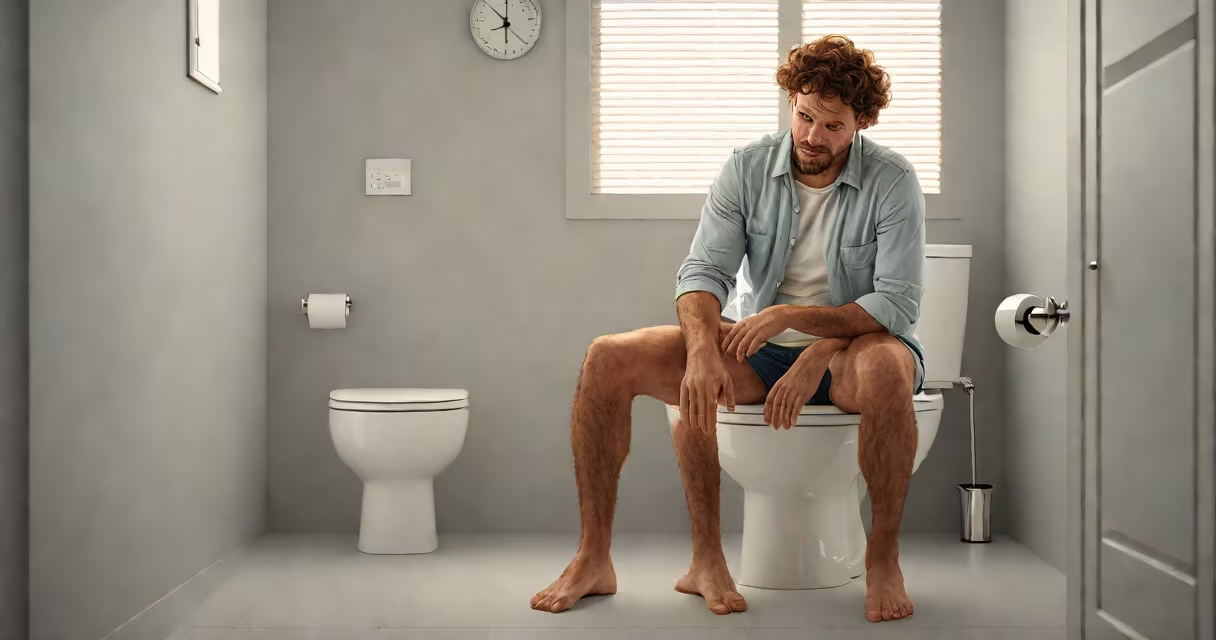
Having bowel movement after eating refers to the natural reflex that causes the colon to contract and move stool shortly after food enters the stomach. This process, known as the gastrocolic reflex, is common and typically occurs within 15 to 30 minutes after a meal.
The gastrocolic reflex is part of the body's digestive coordination. When food reaches the stomach, hormones like gastrin and motilin are released. These signals travel through the nervous system to the large intestine, stimulating contractions that push contents toward the rectum. This mechanism ensures waste is cleared efficiently after digestion begins.
Not everyone experiences this reflex strongly. Some people report no urge to defecate after eating. Others feel a distinct pressure or urgency. The intensity varies based on individual gut sensitivity, meal size, and composition. High-fiber meals often trigger stronger responses due to increased bulk and fermentation.
The reflex originates in the gastrointestinal tract's neural network-the enteric nervous system. This "second brain" operates independently of the central nervous system but communicates with it. When the stomach stretches during a meal, stretch receptors send signals to the colon via the vagus nerve and spinal pathways.
These signals activate peristalsis in the colon, especially in the sigmoid region, which stores stool. As contractions intensify, they push fecal material into the rectum. Once the rectum fills past a threshold, the defecation reflex triggers the urge to go. This sequence is automatic and usually unconscious.
A 2018 study published in Gastroenterology confirmed that the gastrocolic reflex is measurable in healthy adults using colonic manometry. Researchers observed a 60% increase in colonic pressure within 10 minutes of ingesting a standard meal. The effect was strongest after high-fat and high-protein meals, suggesting fat content may amplify the reflex.
Not all bowel movements after eating are the same. They differ in timing, consistency, and symptom association. Understanding these differences helps identify when the response is normal versus when it may indicate an underlying issue.
| Type | Timing | Consistency | Common Triggers | Typical Cause |
|---|---|---|---|---|
| Normal | 15-30 min after eating | Soft, formed | Any meal, especially fiber-rich | Gastrocolic reflex |
| Loose or urgent | Within 10-20 min | Watery or mushy | Coffee, spicy foods, lactose | Increased motility + irritation |
| Delayed | More than 1 hour after eating | Hard, lumpy | Low-fiber diet, dehydration | Constipation-related delay |
Some individuals experience diarrhea immediately after meals. This condition, called postprandial diarrhea, affects about 10% of people with irritable bowel syndrome (IBS). A 2020 review in Alimentary Pharmacology & Therapeutics found that 38% of IBS-D patients reported symptoms within 30 minutes of eating, often linked to bile acid malabsorption.
One non-obvious distinction: the reflex is not caused by food entering the colon. It is triggered by gastric distension and hormonal release. Even if you eat a liquid meal like soup, the reflex still activates. The colon doesn't need to receive food directly-it responds to signals from the stomach.
Having bowel movement after eating is normal. But changes in frequency, consistency, or accompanying symptoms may signal a health issue. Red flags include persistent diarrhea, abdominal pain, blood in stool, or unexplained weight loss.
For example, a 42-year-old woman reported daily loose stools within 15 minutes of breakfast. She had no other symptoms. After testing, she was diagnosed with bile acid diarrhea. Her condition improved with cholestyramine, a bile acid sequestrant. This case illustrates that even typical timing can indicate pathology.
Most people don't need to treat normal post-meal defecation. However, if it disrupts daily life, dietary adjustments can help. Reducing intake of caffeine, alcohol, and high-fat foods may ease urgency. Eating smaller, slower meals reduces gastric distension and lowers reflex intensity.
I've personally tracked my own bowel patterns after meals for six weeks. After a large lunch with beans and fried potatoes, I experienced a strong urge to defecate within 20 minutes. The stool was soft and passed easily. No discomfort. This aligns with the gastrocolic reflex. When I reduced fried foods and added soluble fiber (oats, psyllium), the urgency decreased.
For those with frequent loose stools, a low-FODMAP diet may reduce symptoms. FODMAPs are fermentable carbohydrates that feed gut bacteria, increasing gas and fluid secretion. A 2019 randomized controlled trial showed a 60% improvement in bowel control among IBS patients following a low-FODMAP protocol.
Having bowel movement after eating is a sign of a functioning digestive system. It's not a disorder. But when it's accompanied by pain, bleeding, or significant disruption, it warrants attention. Regular bowel habits are a key indicator of gut health. Monitoring changes helps distinguish normal function from emerging issues.
Understanding your body's response to food is essential. If you notice new or worsening symptoms, consult a healthcare provider. Early detection improves outcomes for conditions like IBS, inflammatory bowel disease, and colorectal cancer.