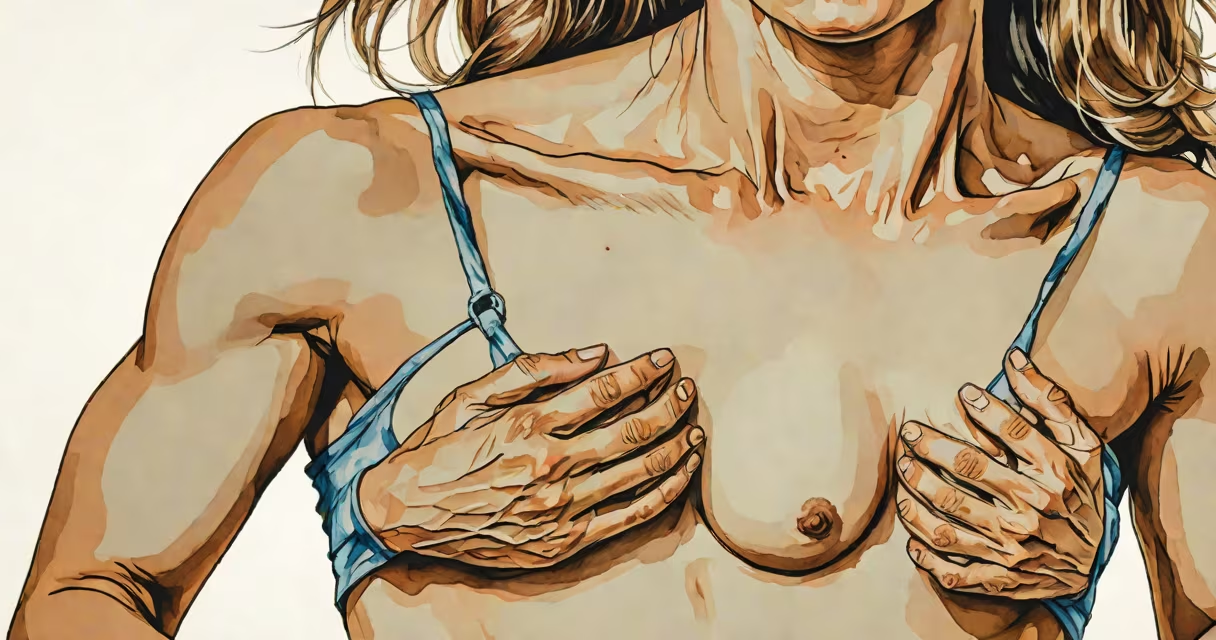
A female pulled chest muscle is a strain in the pectoralis major or intercostal muscles caused by sudden movement, overexertion, or repetitive motion. It results in sharp pain localized to the chest wall, worsened by arm movement, breathing deeply, or lying on the affected side.
Unlike cardiac events, this condition affects soft tissue, not the heart. It typically resolves within days to weeks with rest and targeted care. The injury occurs when muscle fibers stretch beyond their capacity, leading to micro-tears and inflammation.
Common triggers include weightlifting, push-ups, sudden twisting motions, or even vigorous coughing. Women may misinterpret the pain as anxiety or heart-related due to overlapping symptoms, but the location and nature of the discomfort differ.
The pectoralis major, located across the front of the chest, contracts during pushing movements. Overloading this muscle-such as during heavy bench presses or rapid repetitions-can cause microscopic tears. Intercostal muscles between the ribs also strain during forced inhalation or twisting, especially in sports involving rotation like tennis or golf.
Pain usually appears immediately after the incident or within 12 hours. It's often described as a "stabbing" or "tugging" sensation under the breastbone or along the rib line. Movement such as reaching overhead, turning the torso, or lifting objects intensifies the pain.
Diagnosis begins with physical exam. A doctor applies gentle pressure to the chest wall and asks the patient to move arms in various directions. If pain increases with resisted motion or palpation in a specific area, a muscle strain is likely. Imaging like MRI or ultrasound is rarely needed unless recovery stalls or injury recurs.
Two primary areas are affected: the pectoralis major and the intercostal muscles. Each presents distinct patterns of pain and function loss.
| Type | Location | Common Activities | Pain Pattern |
|---|---|---|---|
| Pectoralis major strain | Chest center, near sternum | Bench press, push-ups, sudden arm extension | Sharp pain when pushing or raising arms |
| Intercostal strain | Between ribs, along rib cage | Twisting, deep breathing, coughing, rowing | Pain with breathing, side bending, or sneezing |
Strains range from mild (Grade 1) to severe (Grade 3). Grade 1 involves minor tearing with minimal strength loss. Grade 2 shows moderate swelling and weakness. Grade 3 is a complete rupture, rare in women without trauma, requiring surgical repair.
One non-obvious distinction: a pulled chest muscle rarely causes referred pain to the arm or jaw, unlike heart attacks. Pain stays confined to the chest wall and doesn't radiate down the left arm or up to the neck. This helps differentiate it from ischemic events.
Many women report chest pain from a pulled muscle and assume it's a heart issue. According to the American Heart Association, up to 20% of women experiencing chest pain initially suspect cardiovascular disease-even when risk factors are low.
Costochondritis-a condition where cartilage connecting ribs to sternum becomes inflamed-mimics muscle strain. Both cause localized tenderness, but costochondritis pain persists with direct pressure and may last longer. It's not triggered by movement alone.
Another confusion arises with pleurisy, inflammation of lung lining. Pleuritic pain worsens dramatically with deep breaths and may include fever or shortness of breath. A pulled muscle doesn't cause systemic symptoms.
I once observed a 34-year-old woman arrive at urgent care clutching her left side after doing 50 push-ups. She feared a heart attack. Physical exam revealed tenderness over the lower left pectoralis major. No ECG changes. After 48 hours of rest and ice, she returned pain-free. Her fear was real, but the diagnosis wasn't.
Initial management follows RICE: Rest, Ice, Compression, Elevation. Avoid activities that stress the area for 3-5 days. Apply ice packs for 15 minutes every 2-3 hours during the first 48 hours to reduce swelling.
After acute phase, gentle stretching and strengthening help restore function. A 2021 study in the Journal of Orthopaedic & Sports Physical Therapy found that patients who began controlled mobility exercises within 72 hours recovered faster than those who rested completely.
Over-the-counter NSAIDs like ibuprofen reduce inflammation and pain. Topical gels with menthol or capsaicin provide temporary relief. Avoid heat therapy early on-heat increases blood flow and can worsen swelling.
If pain persists beyond 2 weeks, consult a healthcare provider. Chronic strain may indicate poor form, muscle imbalance, or underlying nerve irritation. A physical therapist can assess posture, movement patterns, and muscle activation.
Seek immediate medical attention if pain is crushing, spreads to the jaw or arm, or occurs with sweating, nausea, or dizziness. These signs suggest a cardiac event, not a pulled muscle.
Other warning signs include inability to raise the arm above shoulder level, numbness, or tingling. These may indicate nerve involvement or a more complex injury.
Warm up before exercise. Spend 5-10 minutes doing changing movements like arm circles, torso twists, and light jogging. This increases blood flow and prepares muscles for load.
Use proper technique during resistance training. A 2020 review in the British Journal of Sports Medicine emphasized that incorrect form during bench press increases pectoral strain by up to 40% compared to correct execution.
Balance muscle groups. Weakness in the rear delts or rhomboids leads to overcompensation by the chest muscles, increasing injury risk. Incorporate rows and face pulls into routines.
Listen to your body. Stop if pain exceeds a 3/10 on a pain scale during activity. Pushing through discomfort accelerates microtear progression.
A female pulled chest muscle is a common, treatable injury. It's not life-threatening, but accurate recognition prevents unnecessary ER visits and ensures proper recovery. Most cases resolve within 1-3 weeks with conservative care.