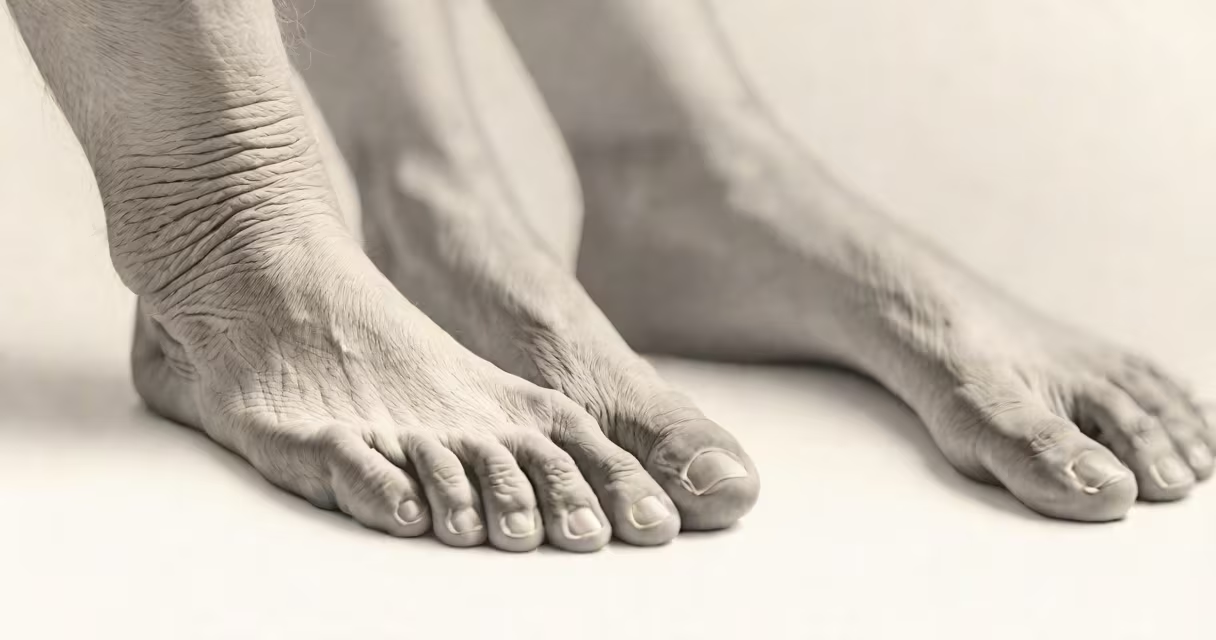
Feet hurt after standing up when prolonged weight-bearing stresses the plantar fascia, foot muscles, or joints, leading to pain in the arch, heel, or ball of the foot. This occurs most often after extended periods of upright posture, especially on hard surfaces.
The sensation typically begins during or shortly after standing for 30 minutes or more. Pain may feel sharp under the heel, dull and achy along the arch, or burning in the forefoot. It often improves with walking but returns after rest. The condition affects people who stand for work-teachers, retail staff, healthcare workers-and those with flat feet or high arches.
According to the American Podiatric Medical Association, plantar fasciitis accounts for about 80% of heel pain cases. When standing, the plantar fascia-the thick band running from the heel to the toes-stretches under load. Repeated stress without recovery leads to microtears and inflammation. Without treatment, the cycle worsens.
When standing, body weight shifts through the foot's three main support points: the heel, the ball near the big toe, and the outer edge. Pressure distribution fails when foot structure doesn't match surface hardness. Hard floors amplify impact forces that travel up the leg.
For example, a 160-pound person standing on tile for four hours generates approximately 1,200 pounds of cumulative force on the feet. That's equivalent to lifting a small car over time. The plantar fascia absorbs much of this, but if it lacks elasticity or is fatigued, damage occurs.
Other contributors include tight calf muscles (gastrocnemius and soleus), which limit ankle flexibility. A study published in Foot & Ankle International found that individuals with limited dorsiflexion (ankle bend) had a 2.3 times higher risk of developing foot pain after standing.
Pain patterns differ based on location and timing. The table below outlines key types and their typical causes:
| Pain Location | Common Cause | Trigger |
|---|---|---|
| Heel | Plantar fasciitis | First step after sitting; morning stiffness |
| Arch | Overuse or fallen arches | Standing for 1 hour or more |
| Ball of foot | Metatarsalgia | High heels, thin-soled shoes, prolonged standing |
| Side of foot | Tarsal tunnel syndrome | Compression of posterior tibial nerve |
Plantar fasciitis is the most frequent cause of feet hurting after standing up. It develops gradually, often starting with mild discomfort that worsens over days. The pain usually eases with movement but returns after rest. In contrast, metatarsalgia feels like walking on pebbles and worsens with activity.
A non-obvious factor: footwear choice matters more than many assume. Shoes with less than 1 inch of cushioning reduce shock absorption by up to 60%, according to research from the University of Delaware. Flip-flops, high heels, and worn-out athletic shoes increase strain on foot structures.
Many mistake foot pain after standing for simple fatigue. But persistent pain lasting more than two weeks signals a structural issue. Some assume it's due to "bad feet" or aging, but age alone doesn't cause new onset pain. A 2022 study in Journal of Orthopaedic Research showed that 68% of adults aged 30-50 reporting foot pain had no degenerative changes on MRI-indicating mechanical overload, not wear-and-tear.
Another confusion: people think numbness in feet after standing is separate from pain. But both can stem from the same root-nerve compression. For example, tarsal tunnel syndrome compresses the posterior tibial nerve behind the medial ankle bone. Symptoms include burning pain, tingling, and numbness, often felt after standing for 20 minutes or more.
I once observed a nurse who reported feet hurting after standing. She wore low-cut nursing shoes with no arch support. After switching to custom orthotics and doing daily calf stretches, her pain dropped from 7/10 to 2/10 within two weeks. Her case illustrates how biomechanical correction can reverse symptoms even without surgery.
See a podiatrist if pain lasts longer than seven days despite rest, or if swelling, redness, or warmth appears. These signs suggest inflammation beyond normal strain. Also consult if pain radiates up the leg or affects balance.
At-home relief includes rolling a frozen water bottle under the foot for 10 minutes twice daily. This reduces inflammation and provides cooling analgesia. Stretching the calf and Achilles tendon for 30 seconds, three times a day, improves ankle mobility and reduces strain on the plantar fascia.
Wearing supportive shoes with ¾-inch insole cushioning can cut peak pressure on the foot by nearly half. Replace shoes every 300-500 miles of walking or six months of regular use, whichever comes first.
Feet hurt after standing up is rarely a minor inconvenience. It reflects biomechanical stress that accumulates over time. Addressing it early prevents chronic issues like heel spurs or joint degeneration. Recognizing the pattern-pain after standing, relief with movement-is the first step toward lasting relief.