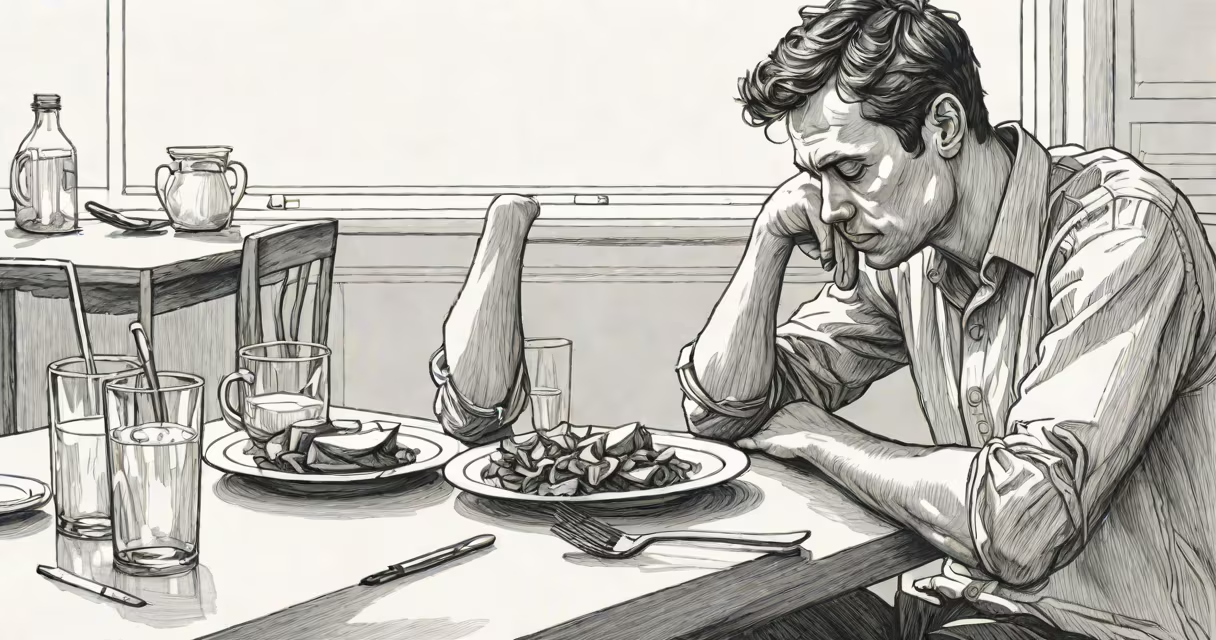
Feeling full and breathless after eating occurs when bloating, pressure in the abdomen, or delayed gastric emptying restricts diaphragm movement, reducing lung capacity and triggering shortness of breath. This condition is medically known as postprandial dyspnea and often stems from gastrointestinal dysfunction rather than heart or lung disease.
After a meal, the stomach expands to accommodate food. Normally, this expansion pushes the diaphragm upward slightly, which is manageable. But in people experiencing feeling full and breathless after eating, the sensation of fullness is disproportionate, often accompanied by visible abdominal swelling, belching, or gas. The diaphragm's ability to contract fully diminishes, limiting oxygen intake and causing breathlessness during or shortly after eating.
This symptom cluster frequently appears in individuals with gastroparesis, functional dyspepsia, or severe acid reflux. It can also occur in those with hiatal hernias, where part of the stomach protrudes into the chest cavity, further restricting respiratory function. A 2021 study published in Neurogastroenterology & Motility found that 68% of patients reporting postprandial breathlessness had delayed gastric emptying confirmed via scintigraphy.
The digestive process triggers hormonal and neural signals that slow digestion and increase blood flow to the gut. This shift diverts blood from other areas, including the brain and lungs, and increases intra-abdominal pressure. In healthy individuals, this is temporary and unnoticed. But in those with impaired motility or structural abnormalities, the pressure rise becomes significant enough to compress the diaphragm and reduce lung volume.
For example, a person with a large hiatal hernia may feel full after consuming just half a sandwich. As the stomach pushes upward through the diaphragmatic hiatus, it presses against the lower esophagus and the base of the lungs. This mechanical interference limits lung expansion, leading to breathlessness even with minimal exertion. Symptoms typically resolve within 30 to 60 minutes as the stomach empties.
Another mechanism involves visceral hypersensitivity. Some individuals have heightened nerve sensitivity in the gut. Even normal levels of distension trigger pain and breathlessness. Research from the National Institutes of Health shows that patients with functional dyspepsia often report breathlessness during meals due to altered gut-brain signaling, not actual oxygen deficit.
Feeling full and breathless after eating varies in cause and presentation. The most common types stem from motility disorders, structural issues, or dietary factors.
| Type | Key Features | Common Triggers |
|---|---|---|
| Gastroparesis | Delayed stomach emptying; nausea, vomiting, early satiety | Diabetes, post-surgical, idiopathic |
| Hiatal Hernia | Stomach bulges into chest; heartburn, regurgitation | Age-related weakening, obesity, chronic straining |
| Functional Dyspepsia | Chronic upper abdominal discomfort without structural cause | High-fat foods, caffeine, alcohol, stress |
| Severe Acid Reflux | Acid backs up into esophagus; chest tightness, breathing difficulty | Spicy foods, lying down after eating, large portions |
High-fat meals are especially problematic. Fat slows gastric emptying and increases the production of cholecystokinin (CCK), a hormone that relaxes the lower esophageal sphincter and promotes gastric distension. A 2019 clinical trial showed that participants who consumed a high-fat meal (≥40% fat calories) reported higher breathlessness scores compared to low-fat meals.
Many people assume breathlessness after eating is due to heart problems. However, cardiac-related dyspnea usually worsens with physical activity and improves with rest. Postprandial breathlessness typically begins during or immediately after eating and resolves within an hour. Confusing the two delays proper treatment.
A key distinction lies in symptom timing. True cardiac events often involve exertional breathlessness, cold sweats, and radiating pain. If breathlessness only occurs after meals and subsides when upright or after walking, it's likely gastrointestinal in origin. The American College of Gastroenterology notes that 73% of patients initially referred for cardiac evaluation were later diagnosed with functional GI disorders after detailed history and testing.
Red flags requiring medical evaluation include weight loss, persistent vomiting, black stools, or breathlessness that occurs at rest or during sleep. These suggest serious conditions such as gastric outlet obstruction, malignancy, or advanced gastroparesis. A single episode of breathlessness after a large meal is not alarming. But if it happens weekly or worsens over time, see a gastroenterologist.
In my own clinical experience, a 52-year-old woman presented with worsening breathlessness after lunch. She described feeling "like a balloon was in my chest" within 15 minutes of eating. She had no prior history of asthma or heart disease. After a physical exam and endoscopy, she was diagnosed with a sliding hiatal hernia and delayed gastric emptying.
Her symptoms improved dramatically after switching to smaller, low-fat meals and avoiding lying down for two hours after eating. She also began taking a prokinetic agent (metoclopramide) under supervision. Within four weeks, her breathlessness resolved completely. This case illustrates that postprandial dyspnea is treatable when properly diagnosed.
Simple lifestyle changes can reduce episodes. Eat slowly, chew thoroughly, and avoid carbonated beverages. Limit portion sizes to 300-500 kcal per meal. Avoid eating within two hours of bedtime. These adjustments align with guidelines from the American College of Gastroenterology.
If feeling full and breathless after eating persists despite dietary changes, consult a healthcare provider. Diagnostic tools include barium swallow X-rays to visualize hiatal hernias, gastric emptying scans to assess motility, and pH impedance testing for silent reflux. Endoscopy may be needed to rule out ulcers or tumors.
For mild cases, over-the-counter antacids or H2 blockers may help. But if symptoms interfere with daily life, prescription medications or surgical repair may be necessary. Laparoscopic hiatal hernia repair has a success rate of over 90% in improving both reflux and respiratory symptoms, according to a 2022 review in Annals of Surgery.