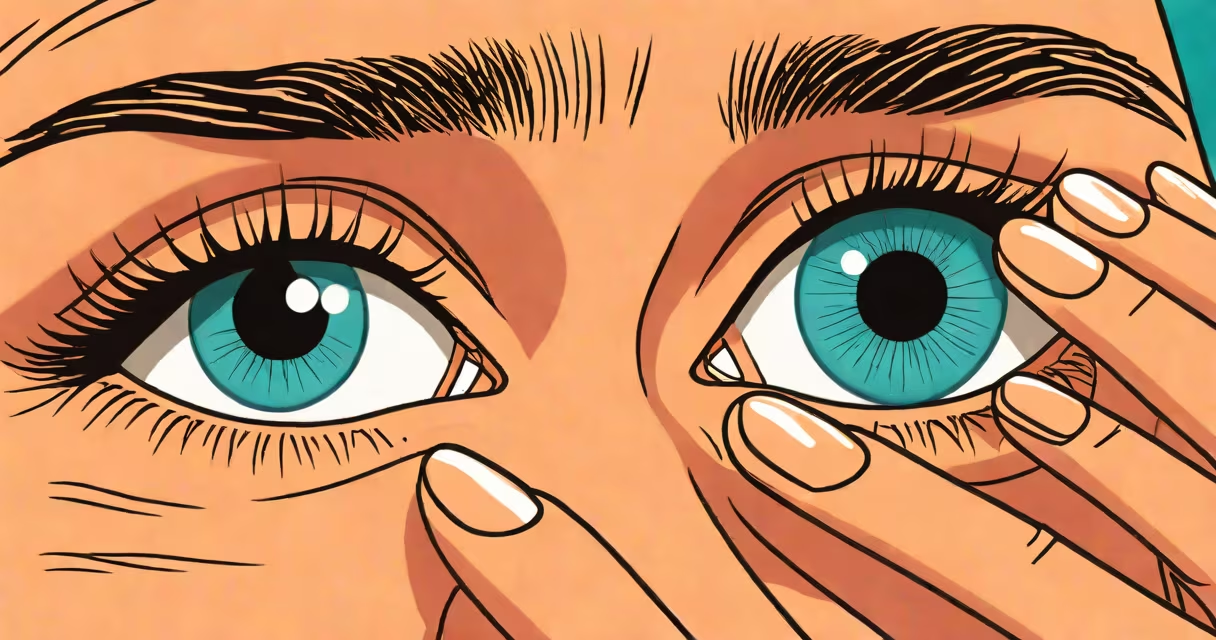
An eye sore from contacts is persistent discomfort, pain, redness, or swelling in the eye caused by wearing contact lenses improperly, due to poor fit, hygiene issues, or underlying eye conditions. It's not just dryness-it can indicate corneal irritation, infection, or mechanical trauma from the lens.
Contacts are worn on the cornea, the clear front surface of the eye. When they don't fit correctly, trap debris, or are left in too long, they disrupt the tear film and cause micro-abrasions. The result is a sensation of grittiness, burning, or sharp pain-commonly called an "eye sore." This condition affects about 15% of contact lens wearers annually, according to the American Academy of Ophthalmology.
Not all eye sore symptoms stem from the lens itself. Dry eye syndrome, which affects over 16 million Americans, often worsens with contact lens wear. A 2021 study in Cornea found that 43% of patients reporting eye soreness had clinically diagnosed dry eye, even if they didn't realize it.
When a contact lens sits on the cornea, it must allow oxygen to reach the tissue. If the lens is too thick, worn overnight, or poorly cleaned, it reduces oxygen flow. This leads to hypoxia, causing inflammation and swelling of the corneal epithelium-the outer layer of cells. Swollen cells trigger nerve endings, producing pain and a gritty sensation.
Debris such as protein deposits, bacteria, or dust can accumulate under the lens. These particles act like sandpaper against the cornea during blinking. A single blink can displace a lens slightly, creating friction that damages the surface. The body responds with increased blood flow-visible as redness-and fluid buildup, leading to swelling.
For example, a 28-year-old office worker reported waking with severe eye soreness after wearing daily disposable lenses for 14 hours straight. She hadn't removed them during lunch. By evening, her eye was red, watery, and painful. A slit-lamp exam revealed a superficial corneal abrasion-tiny scratches on the surface. After discontinuing use and using prescribed antibiotic drops, symptoms resolved in 48 hours.
Eye sore from contacts varies by cause. The most frequent triggers fall into four categories:
| Type | Primary Cause | Typical Symptoms | Prevention |
|---|---|---|---|
| Corneal abrasion | Improper insertion, foreign particle under lens | Burning, sharp pain, light sensitivity | Wash hands, inspect lens before inserting |
| Dry eye exacerbation | Reduced tear exchange under lens | Grittiness, intermittent blurriness, redness | Use rewetting drops, limit wear time |
| Microbial keratitis | Bacterial or fungal contamination | Pain, pus, vision loss, photophobia | Never sleep in lenses, replace storage solution daily |
| Overwear syndrome | Exceeding recommended wear duration | Swelling, redness, blurred vision | Stick to 8-10 hours/day; remove at night |
One overlooked factor is lens material. Silicone hydrogel lenses offer better oxygen permeability than older soft lenses. A 2020 clinical trial showed users of silicone hydrogel lenses reported 30% less eye soreness over 30 days compared to those using traditional hydrogel lenses.
Many assume "eye sore" means minor dryness. But persistent pain or swelling signals a physical injury. Unlike temporary dryness, which resolves with lubricant drops, an actual eye sore requires medical evaluation. Ignoring it risks permanent scarring or vision loss.
Another confusion: thinking eye sore from contacts is always due to poor hygiene. While unclean lenses contribute, even sterile, properly handled lenses can cause soreness if the wearer has undiagnosed dry eye or allergies. The American Optometric Association notes that 22% of contact lens-related complaints involve undetected ocular surface disease.
Some wearers believe "I've worn contacts for years without issue, so it's fine." That's a risk. Corneal changes happen slowly. A 2019 study in Optometry and Vision Science found that 1 in 7 long-term wearers developed subclinical corneal thinning-visible only via advanced imaging-before reporting symptoms.
If eye sore persists beyond 24 hours after removing the lens, or if vision blurs, discharge appears, or light sensitivity worsens, stop wearing contacts and see an ophthalmologist. These signs may indicate infection or ulceration.
I once saw a patient who wore her lenses for 16 hours straight during a work trip. She ignored mild discomfort until she woke with severe pain and a yellowish discharge. Slit-lamp examination confirmed a bacterial corneal ulcer. She required six weeks of antibiotic treatment and lost 20/40 vision temporarily. Early intervention prevented permanent damage.
Do not rely on over-the-counter eye drops alone. Some contain vasoconstrictors that mask redness but delay healing. The FDA warns against using redness-relief drops more than twice daily.
Follow the 20/20/20 rule: Remove lenses every 20 minutes during extended screen use. Blink consciously-people blink 66% less while staring at screens, reducing tear film stability.
Replace lenses on schedule. Even daily disposables degrade after 12 hours. A 2022 study in Eye & Contact Lens found that 37% of daily lenses showed measurable protein deposition after 8 hours of wear.
Use preservative-free rewetting drops during wear. Avoid products with benzalkonium chloride-this preservative irritates the cornea in 1 in 5 users, according to the Journal of Ocular Pharmacology and Therapeutics.
For recurring issues, consult your eye care provider. They may recommend switching to rigid gas-permeable lenses or treating underlying dry eye with prescription drops like cyclosporine (Restasis).
Eye sore from contacts is not a minor annoyance. It's a physical response to stress on the cornea. Recognizing the difference between temporary dryness and true eye soreness saves vision and comfort.