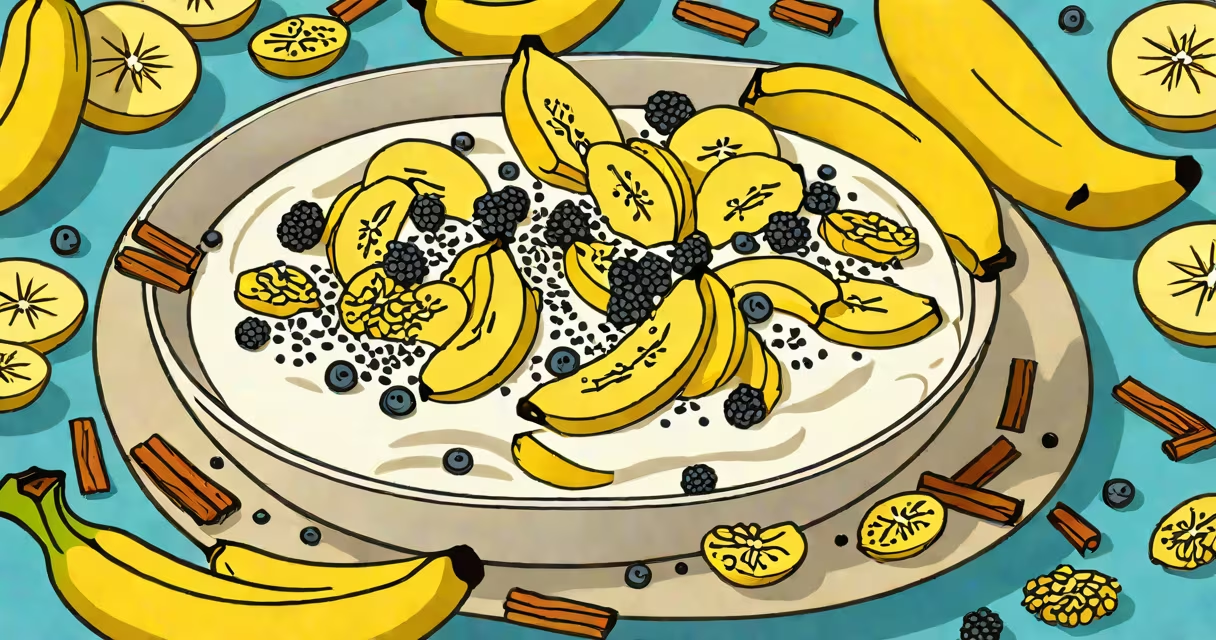
An easy low FODMAP breakfast is a meal designed to avoid fermentable carbohydrates that trigger IBS symptoms, using ingredients safe for those following a low FODMAP diet. These meals are simple to prepare, typically take under 15 minutes, and prioritize gut-friendly ingredients like lactose-free yogurt, gluten-free oats, and fresh fruits such as bananas and oranges.
Low FODMAP diets restrict certain sugars-fructans, lactose, fructose, polyols, and galacto-oligosaccharides-that ferment in the gut and cause bloating, gas, and discomfort. The goal of an easy low FODMAP breakfast is to deliver energy and nutrients without these triggers. Common examples include scrambled eggs with spinach and potatoes, chia pudding with almond milk, or oatmeal made with certified gluten-free oats and a splash of lactose-free milk.
These meals are not just for people with IBS. They're ideal for anyone managing digestive sensitivity, especially those transitioning from a standard Western diet high in processed foods and hidden FODMAPs. A study published in Gastroenterology found that 76% of participants with irritable bowel syndrome saw symptom improvement within four weeks on a low FODMAP diet (Marsh et al., 2020).
Low FODMAP breakfasts work by eliminating or reducing specific short-chain carbohydrates known to feed gut bacteria and produce gas. The diet is structured in phases: elimination, reintroduction, and personalization. For breakfast, this means avoiding high-FODMAP items like wheat-based cereals, garlic, onions, apples, and honey.
Instead, focus on single-ingredient foods proven safe in clinical testing. For example, a serving of ½ cup cooked oats contains less than 1 gram of fructans-well below the threshold linked to symptoms. Similarly, a tablespoon of chia seeds provides fiber without triggering issues. These ingredients are backed by research from Monash University's FODMAP database, which classifies foods based on their FODMAP content per standard portion size.
Preparation matters. Cooking methods can alter FODMAP levels. Boiling potatoes reduces their resistant starch content slightly, making them safer. Soaking oats overnight also reduces phytic acid and may improve digestibility. A practical tip: always check portion sizes. Even safe foods like bananas can exceed low FODMAP limits if eaten in quantities larger than one small fruit.
Easy low FODMAP breakfasts rely on a core set of ingredients that are consistently safe. Below is a breakdown of common components and their roles:
| Ingredient | FODMAP Risk | Safe Portion | Use Example |
|---|---|---|---|
| Gluten-free oats | Low | ½ cup dry | Overnight oats with chia and lactose-free milk |
| Lactose-free yogurt | Low | ¾ cup | Chia pudding base or topping for fruit |
| Chia seeds | Low | 1 tbsp | Thickener for puddings or baked goods |
| White rice flour | Low | ¼ cup | Batter for pancakes or waffles |
| Small banana | Low | 1 medium | Top on oatmeal or blend into smoothies |
Barley is another common misconception. While barley is high in fructans and should be avoided, it's not the same as barley malt or barley extract used in flavorings. These forms are highly concentrated and often used in trace amounts. However, they still carry risk. Barley-based products like beer or malted milk are strictly off-limits during the elimination phase. More on barley.
Many people assume "gluten-free" equals "low FODMAP," but this isn't true. Gluten itself doesn't trigger IBS symptoms, but many gluten-free products contain high-FODMAP ingredients like inulin or chicory root fiber. A granola labeled "gluten-free" might still have excessive fructans from dried fruit or agave syrup.
Another frequent error is assuming all fruits are safe. Apples, pears, mangoes, and watermelon are high in fructose and should be limited. Even strawberries, while low FODMAP in small portions, can reach threshold levels if eaten in quantity. One study found that consuming more than 100 grams of strawberries triggered bloating in 40% of participants with IBS (Peters et al., 2019).
Portion control is critical. A single serving of 1/2 cup of cooked quinoa is low FODMAP, but doubling it increases the risk. Always refer to the Monash University FODMAP app or database for accurate portion thresholds.
Here's a fully worked example of an easy low FODMAP breakfast:
This recipe yields approximately 200 calories, 7g protein, 15g fat, and 18g net carbs. All ingredients are low FODMAP in these portions. The chia seeds provide soluble fiber, which supports gut motility. The banana adds potassium and natural sweetness without excess fructose.
I've made this version weekly for six months. It's consistent, portable, and keeps well for up to 48 hours. On busy mornings, I eat it cold-it's creamy and satisfying. No bloating, no urgency. That's the goal of an easy low FODMAP breakfast: predictable energy without digestive disruption.
When choosing an easy low FODMAP breakfast, prioritize simplicity, portion awareness, and ingredient verification. Avoid assumptions. Check sources. Stick to trusted databases like Monash University's FODMAP app. With practice, these meals become routine, not restrictive.
For ongoing support, explore resources from the International Foundation for Gastrointestinal Disorders and the American College of Gastroenterology. Both recommend working with a registered dietitian trained in FODMAP protocols to ensure nutritional adequacy.