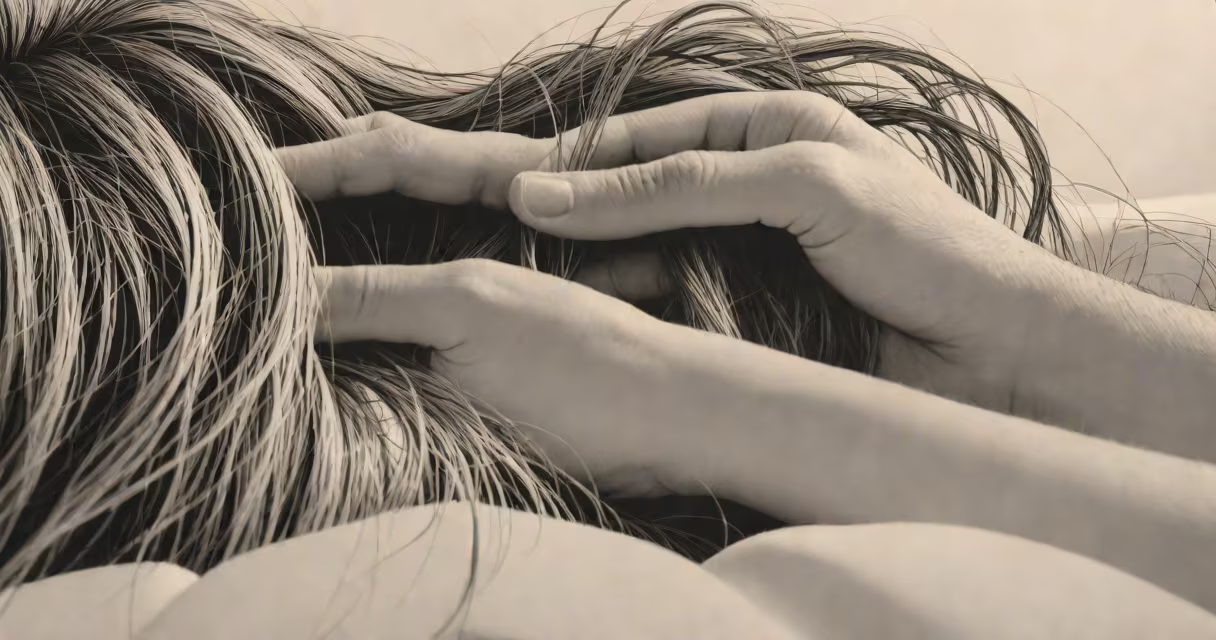
Dreams that your hair is falling out involve vivid mental imagery of hair shedding in clumps, thinning rapidly, or disappearing entirely during sleep. These dreams often trigger strong emotional reactions upon waking, such as panic or confusion. They typically symbolize internal stress, fear of change, or loss of personal power rather than actual hair loss.
Such dreams occur during rapid eye movement (REM) sleep, when brain activity mimics wakefulness. The visual cortex processes fragmented memories and emotions, sometimes combining them into surreal scenarios. Hair loss in dreams usually represents a perceived threat to identity, appearance, or autonomy-common themes in adult life transitions.
According to the American Psychological Association, dreams about physical changes like hair loss are linked to real-world anxieties. A 2021 study published in Frontiers in Psychology found that individuals reporting frequent hair-loss dreams scored higher on measures of generalized anxiety and perceived vulnerability. These dreams are not predictive of actual baldness but serve as emotional barometers.
The brain doesn't distinguish between imagined and real experiences during REM sleep. When stress hormones like cortisol rise due to daily pressures, neural pathways associated with fear and self-image activate. This can result in dream narratives where hair falls out uncontrollably-mirroring a sense of helplessness in waking life.
Neuroimaging research shows increased activity in the amygdala and prefrontal cortex during emotionally charged dreams. These regions regulate fear responses and decision-making. When they fire together, the mind constructs scenarios involving loss-hair, relationships, jobs-because they carry high emotional weight.
A 2019 study from the University of California, Berkeley, demonstrated that people who experienced chronic sleep disruption reported more recurring dreams of bodily deterioration, including hair loss. The brain uses these images to process unresolved tension, even if the dreamer has no history of alopecia or scalp issues.
Not all dreams about hair loss are the same. Some focus on sudden, dramatic shedding; others show gradual thinning. The context matters. A dream where hair falls out in front of a mirror may indicate self-image concerns. One where hair disappears while speaking in public could reflect performance anxiety.
| Type | Common Context | Psychological Meaning |
|---|---|---|
| Clumps falling out | Stressful events, major life changes | Fear of losing control or stability |
| Gradual thinning | Long-term anxiety, burnout | Feeling worn down over time |
| Receding hairline | Identity shifts, aging fears | Concerns about maturity or relevance |
| Hair regrowing instantly | After recovery from illness or trauma | Hope or resilience emerging |
These dreams don't always stem from conscious thoughts. One night, I dreamed my hair turned gray overnight while standing in front of a crowded room. I woke up sweating, heart racing. Later, I realized I'd been avoiding a promotion at work-fearing failure. The dream wasn't about hair-it was about facing a new role I wasn't ready for.
Dreams that your hair is falling out most frequently appear during periods of high stress, such as job transitions, relationship breakdowns, or health scares. They're especially common among adults aged 25-45, according to a 2022 survey by the National Sleep Foundation. The report noted that 38% of participants had experienced at least one hair-loss dream in the past year.
People with generalized anxiety disorder (GAD) report these dreams more often than average. The Mayo Clinic notes that GAD involves persistent worry about everyday situations, which can manifest as symbolic dreams. Hair loss dreams may be a subconscious way the mind rehearses coping strategies for overwhelming situations.
Cultural beliefs influence interpretation. In many East Asian traditions, hair symbolizes vitality and ancestral connection. Losing hair in a dream may be seen as a warning of impending misfortune. In Western psychology, however, the focus is on internal emotional states rather than supernatural omens.
Many assume that dreaming about hair loss predicts actual baldness. This is false. The American Academy of Dermatology confirms that no scientific evidence links dream content to future medical conditions. Dreaming of hair loss does not mean you'll develop androgenetic alopecia or telogen effluvium.
Another myth is that only women have these dreams. Men report them nearly as often. A 2020 analysis in Journal of Clinical Sleep Medicine showed that men accounted for 46% of dream reports involving hair loss. The misconception likely stems from media portrayals of female hair loss as a central plot point, while male experiences go underreported.
Some confuse these dreams with sleep paralysis episodes. While both can involve intense fear and hallucinations, sleep paralysis occurs during wake-sleep transitions and includes sensations of pressure on the chest or inability to move. Hair-loss dreams happen during deep REM cycles and lack motor inhibition symptoms.
Consider Sarah, a 34-year-old marketing manager. She began having dreams where her hair fell out in thick clumps every few nights. She woke up disoriented, checking her reflection in the dark. After three weeks, she consulted a therapist. She revealed she was overwhelmed at work, afraid of being replaced, and felt invisible in her family.
Her therapist guided her through cognitive restructuring techniques. Over six weeks, the dreams decreased in frequency and intensity. Sarah later shared that the dream wasn't about hair-it was about feeling powerless in a high-stakes environment. Once she addressed her workload and set boundaries, the dreams stopped.
She didn't need medication or supplements. Her brain had been signaling distress through metaphor. Recognizing the pattern helped her take action.
If dreams that your hair is falling out recur weekly and disrupt sleep quality, consider consulting a mental health professional. Persistent nightmares can contribute to insomnia and daytime fatigue. Cognitive behavioral therapy for insomnia (CBT-I) has shown effectiveness in reducing distressing dream frequency.
But if the dream persists despite stable health and low stress, it may point to deeper emotional patterns. A therapist can help decode the underlying narrative. Dreams aren't warnings-they're reflections.
Dreams that your hair is falling out are not signs of impending baldness. They are psychological signals. They represent internal struggles with control, identity, and change. Understanding their roots allows you to respond with awareness, not fear. Addressing the emotion behind the image is more effective than searching for hidden meanings in hair.