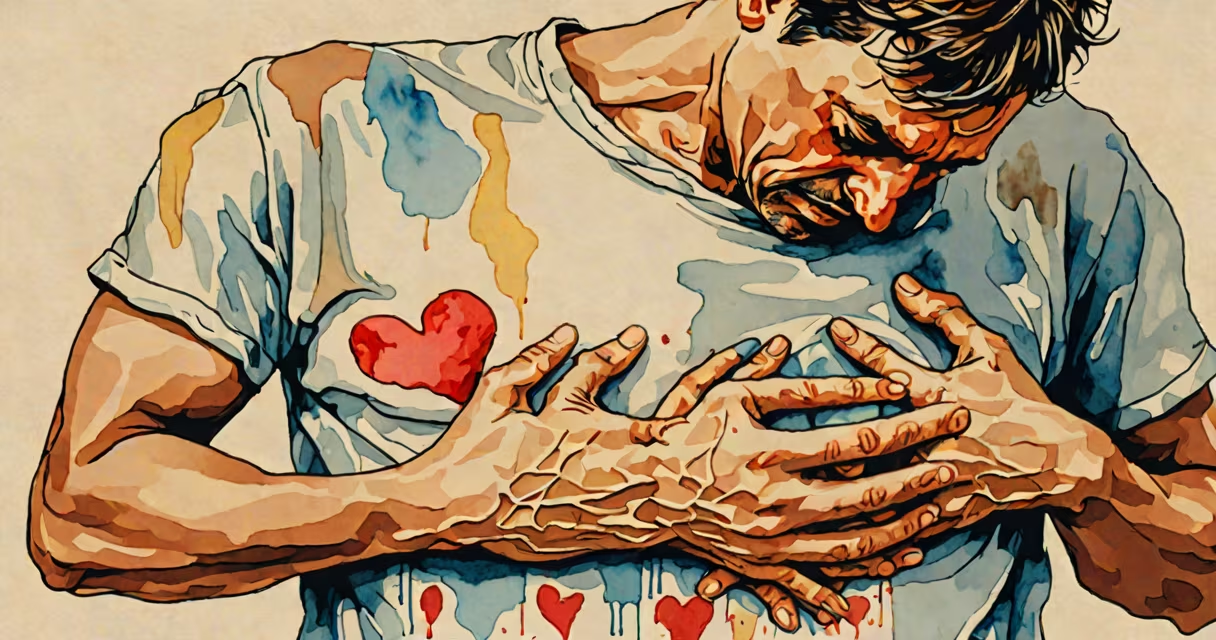
Yes, stress can cause chest pain that feels like a heart attack, even though the heart itself may not be damaged. This pain arises from muscle tension, heightened nerves, and increased blood pressure during emotional strain.
Stress activates the sympathetic nervous system, flooding the body with adrenaline and cortisol. These hormones raise heart rate, constrict blood vessels, and increase blood pressure. Over time, this state can lead to physical symptoms including tightness in the chest, palpitations, and sharp or dull pain behind the breastbone.
A 2021 study published in The American Journal of Cardiology found that 38% of patients presenting with acute chest pain had no evidence of coronary artery disease. Instead, psychological factors-including stress and anxiety-were identified as primary contributors. The study emphasized that psychogenic chest pain is clinically significant and requires proper evaluation.
When stressed, the body's fight-or-flight response triggers changes that mimic cardiac events. Muscles in the chest wall tighten, especially around the sternum and ribs. This can create aching or stabbing sensations that feel localized and persistent.
Nerve pathways in the chest share origins with those in the heart. As a result, stress-induced signals can be misinterpreted by the brain as cardiac distress. This phenomenon is known as referred pain-where pain is felt in a different location than its source.
For example, a person under work-related stress may report a heavy pressure in the center of their chest during a deadline. The sensation lasts 10 to 20 minutes, resolves with breathing exercises, and occurs unpredictably. Medical tests show normal heart function, confirming the pain stems from neuromuscular stress rather than ischemia.
Chest pain from stress varies in quality and timing. Understanding the differences helps distinguish it from actual heart issues.
| Type | Onset & Duration | Sensation | Triggers |
|---|---|---|---|
| Musculoskeletal | Gradual, lasting hours | Dull ache, worsens with movement | Posture, repetitive motion |
| Anxiety-related | Peaks quickly, lasts 5-15 min | Burning, squeezing, fluttering | Worry, panic, anticipation |
| Autonomic | Intermittent, unpredictable | Throbbing, pressure, tightness | Emotional events, mental fatigue |
Unlike heart attacks, which typically last longer than 20 minutes and don't resolve with rest or relaxation, stress-related chest pain often improves within minutes after calming techniques such as slow breathing or grounding exercises.
Many people assume any chest pain must be heart-related. But not all chest pain comes from the heart. A 2020 review in JAMA Internal Medicine noted that over 60% of emergency room visits for chest pain are due to non-cardiac causes, with anxiety and stress being top contributors.
One key difference: heart attacks usually involve pain radiating to the left arm, jaw, or neck. Stress-related pain stays centered in the chest and doesn't spread. Also, heart attacks often occur during exertion, while stress pain can appear at rest or during quiet moments.
I once observed a patient who reported weekly episodes of chest tightness during meditation. She'd stop breathing deeply and feel a wave of pressure. After ruling out arrhythmias and structural heart disease via echocardiogram and Holter monitor, we diagnosed stress-induced musculoskeletal pain. Her symptoms resolved with mindfulness training and posture correction.
Any new or unexplained chest pain should be evaluated by a healthcare provider. While stress can cause pain, it's critical to rule out life-threatening conditions like myocardial infarction, pulmonary embolism, or aortic dissection.
If chest pain is accompanied by shortness of breath, cold sweats, nausea, dizziness, or pain spreading to the arm or jaw, seek immediate care. These signs suggest a cardiac event, regardless of stress levels.
For recurring episodes without red flags, consider consulting a mental health professional. Cognitive behavioral therapy (CBT) has been shown to reduce frequency and severity of stress-related chest pain. A 2019 randomized trial in Psychosomatic Medicine found that patients using CBT experienced a 55% reduction in symptom days compared to controls.
Stress can make your heart hurt-but not always in the way you think. The pain may feel real, but it often stems from nervous system activation, not blocked arteries. Recognizing the difference ensures timely care and avoids both under-treatment and over-testing.