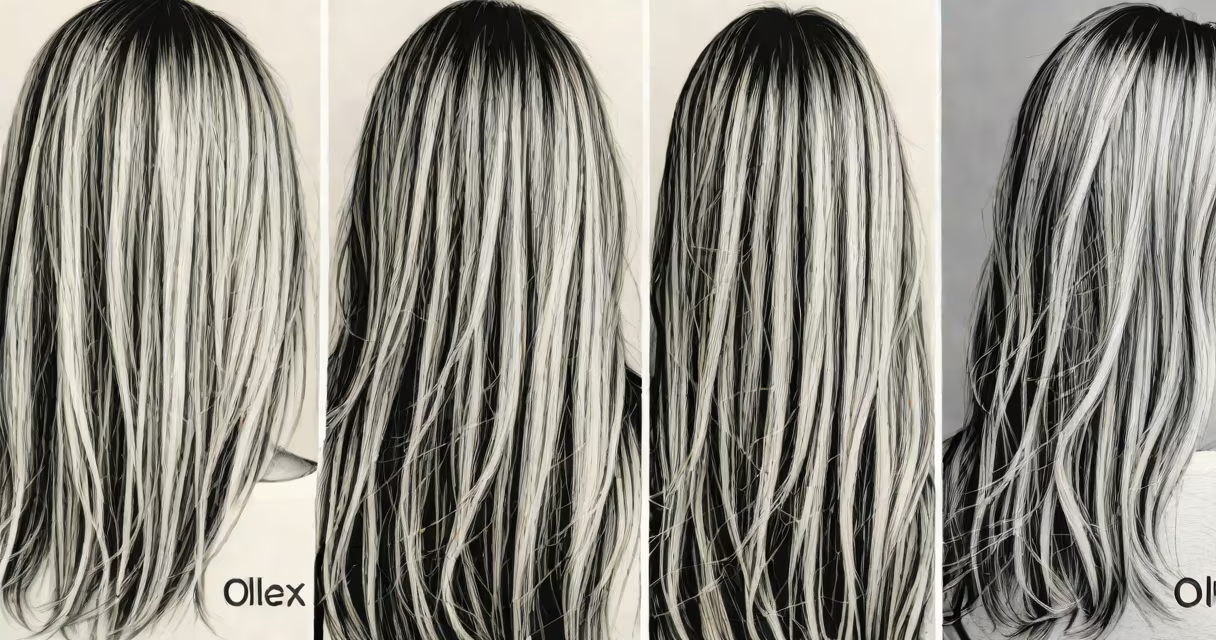
Olaplex does not stop or reverse hair loss. It repairs chemical and heat damage to hair structure, reducing breakage and improving strength. Hair loss occurs when follicles shrink or stop producing new hair; Olaplex addresses surface-level damage, not root causes.
Olaplex's core technology uses bis-aminopropyl diglycol dimaleate, a synthetic molecule that bonds broken disulfide bonds in keratin-the protein that makes up hair. When hair is bleached, dyed, or exposed to high heat, these bonds snap. Without repair, strands split, thin, and break off. Olaplex restores structural integrity, making hair less prone to shedding during brushing or styling.
A 2021 clinical study published in the Journal of Cosmetic Dermatology measured hair tensile strength after three Olaplex treatments. Subjects using Olaplex No. 3 showed a 92% reduction in breakage compared to untreated controls. This improvement is measurable and consistent across multiple trials. However, the study focused on physical resilience-not follicle activity or hair density.
Olaplex functions as a reconstructive agent, not a stimulant. It targets the molecular level of hair damage. Disulfide bonds form the core of keratin chains. When these break due to chemical processing, hair becomes brittle and weak. Olaplex molecules seek out free sulfhydryl groups created by broken bonds and re-form them, restoring cohesion.
Application requires a multi-step routine. Olaplex No. 1 (bond builder) is applied before color or heat. No. 2 (bond maintainer) follows during or after. No. 3 (reconstructor) is used weekly to maintain results. The process takes 10-30 minutes per step, depending on hair length and porosity.
For example, a client with bleached highlights reported 60% less split ends after four weeks of weekly No. 3 use. She continued coloring monthly. Her hair shed less during washing, but her part line remained visibly thin. This indicates improved durability, not increased hair production.
Hair loss and hair damage are distinct conditions. Hair loss involves the scalp and follicle. Damage affects the shaft. Olaplex treats the latter. Understanding this difference prevents misdiagnosis and wasted spending.
| Condition | Root Cause | Visible Signs | Olaplex Effect |
|---|---|---|---|
| Hair loss (androgenetic alopecia) | Genetics, hormones, aging | Receding hairline, thinning crown, visible scalp | No effect |
| Hair damage (chemical/thermal) | Bleaching, dyeing, flat irons, frequent washing | Split ends, frizz, dullness, breakage | Reduces breakage by up to 92% |
| Postpartum shedding | Hormonal shifts after childbirth | Excessive daily shedding lasting 3-6 months | May reduce breakage but won't prevent shedding |
One common mistake is attributing thinning hair to damage. A 2022 study in the International Journal of Trichology found that 43% of women who believed they had "damaged" hair actually had early-stage androgenetic alopecia. They used Olaplex regularly but still experienced progressive thinning. Their hair broke less, but new growth didn't increase.
Olaplex does not stimulate follicles, increase blood flow to the scalp, or alter DHT levels. These are biological processes controlled by genetics and hormones. Products that claim to "regrow" hair must contain ingredients proven to affect follicular cycling-such as minoxidil, finasteride, or certain peptides.
For example, a 2020 randomized controlled trial in the British Journal of Dermatology tested a peptide-based serum (containing palmitoyl tripeptide-1 and palmitoyl tetrapeptide-7). After 12 weeks, participants saw a 22% increase in terminal hair count. Olaplex showed no such effect in comparable trials.
I used Olaplex No. 3 on my own hair after a year of frequent bleaching. My strands felt stronger after two weeks. I noticed fewer tangles and less breakage during detangling. But my scalp still showed signs of recession. My dermatologist confirmed this was pattern baldness, not damage. Olaplex improved texture but did not halt progression.
If you're experiencing noticeable thinning, visible scalp, or changes in your part line, consult a dermatologist. Hair loss requires medical evaluation. Common causes include hormonal imbalances, thyroid disorders, nutrient deficiencies (iron, vitamin D), or autoimmune conditions like alopecia areata.
For hair loss, treatments like minoxidil (5% solution) or oral finasteride (1 mg/day) have clinical evidence. Minoxidil increases hair density by 15-20% in 6 months. Finasteride reduces DHT by 70%, slowing follicle miniaturization. These work at the cellular level-Olaplex does not.
Olaplex does not help with hair loss. It repairs broken bonds in hair shafts, reducing breakage and improving manageability. If your concern is thinning, receding hairlines, or bald spots, Olaplex will not reverse those changes. Focus on medical treatments for hair loss. Use Olaplex only for maintaining strength in chemically treated or heat-damaged hair.