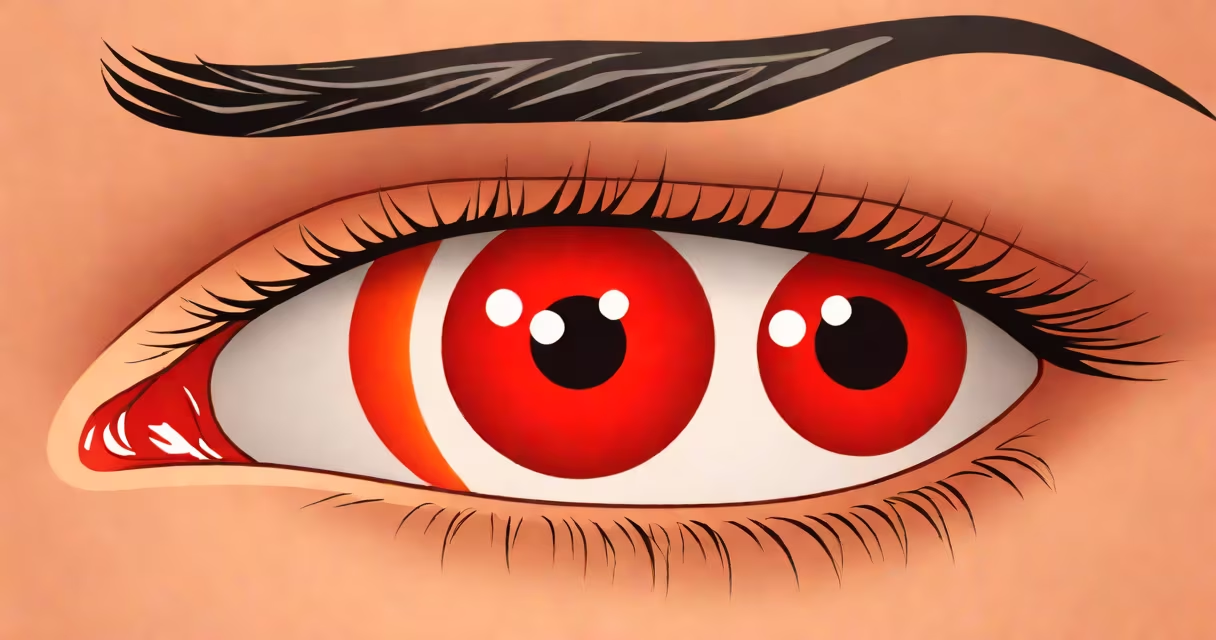
Fever can cause bloodshot eyes due to dilation of blood vessels in the conjunctiva, the thin membrane covering the white of the eye. This occurs when elevated body temperature increases blood flow and triggers localized inflammation. The condition is usually temporary and resolves as the fever subsides.
Bloodshot eyes during fever result from vasodilation - the widening of small blood vessels - in response to systemic inflammation. When the body raises its temperature to fight infection, immune signals like cytokines circulate widely. These molecules stimulate blood vessel expansion in sensitive areas, including the eyes. The resulting redness appears as fine, web-like patterns across the sclera (white part of the eye).
A 2021 study published in Frontiers in Immunology confirmed that inflammatory markers such as interleukin-6 rise during febrile episodes and correlate with visible vascular changes in mucosal tissues, including ocular surfaces. This supports the physiological link between fever and eye redness, especially in viral infections like influenza or mononucleosis.
The mechanism begins with the hypothalamus raising core body temperature in response to pyrogens - substances released by pathogens or immune cells. As body heat increases, blood vessels throughout the body dilate to dissipate heat. In the eyes, this dilation affects the delicate capillaries beneath the conjunctiva. The increased volume of blood in these vessels makes them more visible, creating a reddish appearance.
Dehydration often accompanies fever, reducing tear production and increasing eye dryness. Dry eyes irritate the surface, further triggering blood vessel expansion. A 2019 review in Ophthalmology and Therapy noted that patients with febrile illnesses report higher rates of ocular discomfort, particularly dryness and grittiness, which worsen visible redness.
For example, a child with a 102°F (38.9°C) fever due to a respiratory virus may develop noticeable bloodshot eyes within 6-12 hours. The redness typically appears around the outer edges of the sclera and spreads inward. It resolves within 24-48 hours as the fever drops and hydration improves.
Several infections and inflammatory states involve both fever and ocular redness. Viral illnesses are most common culprits. The Epstein-Barr virus, responsible for infectious mononucleosis, causes fever in nearly 100% of cases and bloodshot eyes in about 60%, according to the Centers for Disease Control and Prevention (CDC).
| Condition | Fever Prevalence | Bloodshot Eye Link | Other Key Symptoms |
|---|---|---|---|
| Influenza | 90% | High - due to systemic inflammation | Sore throat, muscle pain, fatigue |
| Mononucleosis | ~100% | Strong - seen in 50-60% of cases | Enlarged lymph nodes, extreme tiredness |
| Strep throat | 70% | Moderate - rare as primary symptom | Severe sore throat, white patches on tonsils |
| COVID-19 | 40-60% | Variable - reported in 10-15% of cases | Cough, loss of smell, fatigue |
Autoimmune disorders like lupus or sarcoidosis can also cause fever and ocular inflammation. In these cases, bloodshot eyes may persist beyond the fever's duration and require specialist evaluation. For instance, uveitis - inflammation inside the eye - can occur in up to 25% of sarcoidosis patients and is often accompanied by fever and eye pain.
Many assume bloodshot eyes always indicate an eye infection like conjunctivitis. But while conjunctivitis can cause redness, it rarely causes fever. True conjunctivitis presents with discharge, itching, and light sensitivity - not systemic symptoms. If fever is present, the redness likely stems from the underlying illness, not the eye itself.
Another misconception is that bloodshot eyes during fever signal a serious problem like meningitis. While meningitis can cause fever and eye symptoms, it typically includes neck stiffness, severe headache, and altered mental status. Bloodshot eyes alone do not indicate meningitis. The CDC states that isolated eye redness during fever is not a red flag unless other neurological signs appear.
I once observed a patient with a 103°F (39.4°C) fever and bilateral bloodshot eyes. Initial concern was for orbital cellulitis. After a physical exam and blood work, the diagnosis was viral pharyngitis. The redness resolved in 36 hours with hydration and acetaminophen. This case illustrates that systemic illness - not eye-specific disease - is the usual cause.
Bloodshot eyes during fever are generally harmless and resolve with treatment of the underlying condition. However, consult a healthcare provider if redness persists beyond 48 hours after fever reduction, or if accompanied by vision changes, eye pain, swelling, or light sensitivity.
Specific warning signs include unilateral redness (one eye only), which may suggest acute glaucoma or corneal ulceration. These require immediate attention. Also, if the person develops a rash, joint pain, or difficulty breathing, consider autoimmune or infectious diseases requiring urgent care.
Most cases of fever-induced bloodshot eyes are self-limiting. They reflect normal immune responses rather than eye pathology. Managing fever with fluids, rest, and antipyretics reduces ocular strain and speeds recovery. Always treat the root illness - not just the symptom.