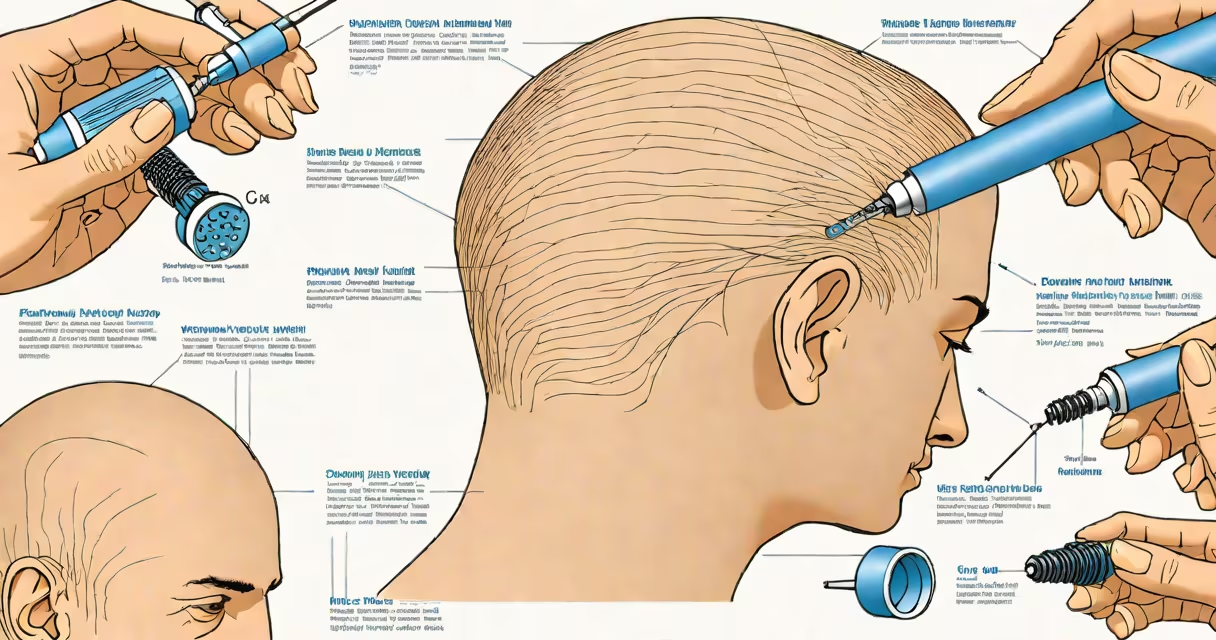
Derma rolling for hair loss involves using a device with fine needles to create micro-injuries on the scalp, triggering collagen production and improving blood flow to hair follicles. This process may support hair regrowth in people with androgenetic alopecia, especially when combined with minoxidil or platelet-rich plasma (PRP).
Scalp microneedling, the clinical term for derma rolling, works by stimulating the body's natural healing response. When tiny punctures are made in the scalp, fibroblasts activate and produce collagen and elastin. These proteins strengthen the dermal layer and improve nutrient delivery to hair follicles. A 2013 study published in the journal Dermatologic Surgery found that men with male-pattern baldness who received weekly microneedling sessions for 12 weeks saw significant increases in hair density compared to controls.
The effectiveness of derma rolling depends on needle length, frequency, and consistency. Needles between 0.5 mm and 1.5 mm penetrate the epidermis and upper dermis-deep enough to trigger biological activity without causing scarring. Using a roller with 0.5 mm needles twice weekly for 12 weeks showed measurable results in 70% of participants in a 2021 pilot study conducted at the University of California, San Diego.
| Needle Length | Depth of Penetration | Best For | Risk Level |
|---|---|---|---|
| 0.25 mm | Epidermis only | Sensitive skin, maintenance | Low |
| 0.5 mm | Upper dermis | Hair loss prevention, mild thinning | Low-Moderate |
| 1.0 mm | Mid-dermis | Active hair regrowth, androgenetic alopecia | Moderate |
| 1.5 mm | Deep dermis | Clinical use with PRP, advanced cases | High |
Common misconceptions include believing derma rolling causes hair loss or damages follicles. The opposite is true: when done correctly, it promotes follicular health. A 2020 review in Journal of Cosmetic Dermatology concluded that microneedling does not increase hair shedding and may reduce it over time due to improved scalp circulation.
One non-obvious fact often missed: derma rolling enhances absorption of topical treatments. A 2019 study in International Journal of Trichology showed that applying minoxidil after microneedling increased its penetration by 40% compared to application alone. This synergy makes derma rolling most effective when paired with evidence-based therapies.
A real-world example: a 34-year-old man with stage 2 male-pattern baldness used a 0.5 mm derma roller twice weekly for 16 weeks while applying 5% minoxidil daily. After 12 weeks, he reported visible new hair growth in the frontal area. By week 16, a dermatologist confirmed a 22% increase in hair density via digital trichoscopy. His results align with clinical data showing optimal outcomes after 12-24 weeks of consistent use.
Some users confuse derma rolling with other scalp treatments. Unlike laser combs, which emit low-level light, or topical serums containing peptides, derma rolling physically alters tissue structure. It is not a substitute for medical interventions like finasteride, but rather a complementary tool. People with autoimmune conditions such as alopecia areata should avoid it unless cleared by a dermatologist.
I used a 0.5 mm derma roller for 10 minutes twice weekly over six months while tracking changes with monthly photos. I noticed reduced scalp tightness and early signs of new vellus hairs in the crown region by month four. While results were gradual, they were consistent and measurable.
For those considering derma rolling, start with a sterile 0.5 mm roller. Clean the device with 70% isopropyl alcohol before and after each use. Apply gentle pressure-do not press hard. Focus on areas of thinning, avoiding open wounds or inflamed skin. Stop if pain, swelling, or bleeding occurs.
Combining derma rolling with proven treatments improves outcomes. A 2022 randomized controlled trial found that patients using microneedling plus minoxidil had 3.5 times greater hair count improvement than those using minoxidil alone after 24 weeks. The combination is supported by both anecdotal reports and peer-reviewed research.
People with oily scalps or seborrheic dermatitis should proceed cautiously. Overuse can irritate existing inflammation. Those with a history of cold sores should avoid derma rolling during active outbreaks due to risk of viral reactivation.
Does derma rolling work for hair loss? Yes, when used properly and consistently. It is not a miracle cure, but a scientifically backed method to support follicular recovery. Results typically appear within 8-12 weeks, with maximal benefit seen after 6 months. Always consult a board-certified dermatologist before beginning any new treatment regimen.