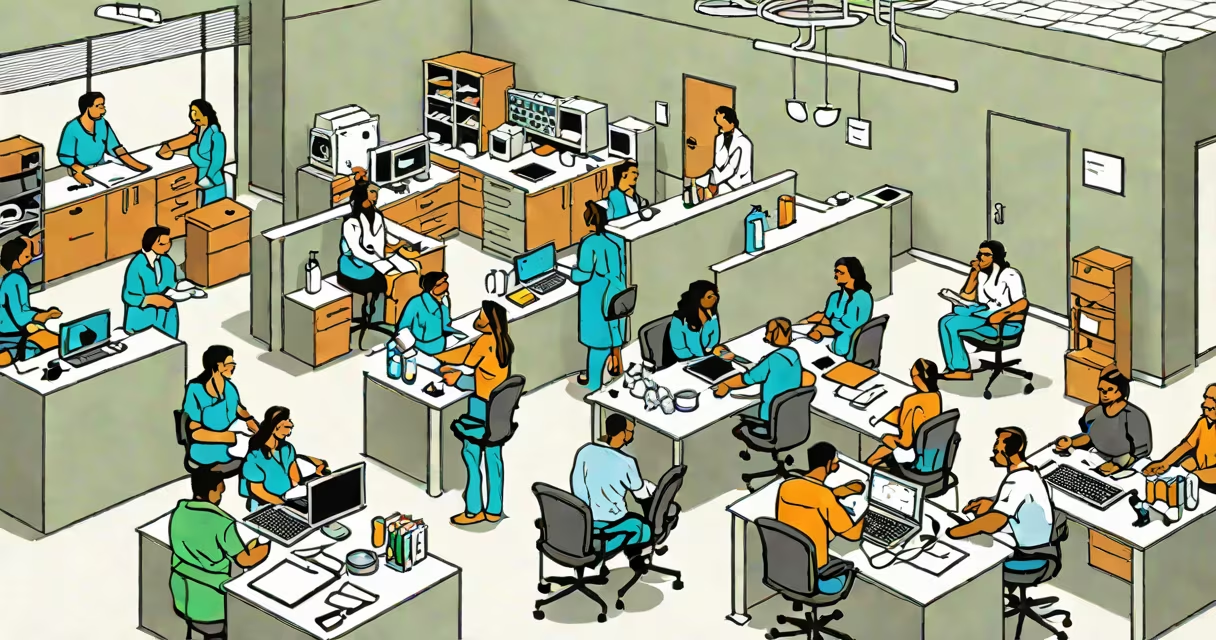
Behavioral health services are clinical interventions that assess, treat, and manage mental, emotional, and behavioral conditions using evidence-based practices. These services include individual and group therapy, psychiatric evaluation, crisis intervention, and long-term support for disorders such as depression, anxiety, PTSD, and substance use. They are delivered by licensed professionals including psychologists, psychiatrists, licensed clinical social workers, and licensed professional counselors.
These services operate within medical and community settings, often coordinated with primary care providers to ensure complete patient management. The goal is not just symptom reduction but improved daily functioning, relationship stability, and quality of life. For example, a veteran diagnosed with PTSD may receive cognitive processing therapy (CPT) twice weekly over 12 weeks, combined with medication management and peer support groups.
According to the Substance Abuse and Mental Health Services Administration (SAMHSA), nearly 1 in 5 U.S. adults experiences mental illness each year, yet only about half receive treatment. Behavioral health services bridge that gap by offering accessible, structured care tailored to individual needs. The National Institute of Mental Health (NIMH) emphasizes that early intervention improves outcomes, especially in adolescents and young adults.
Services begin with a clinical assessment-typically a diagnostic interview and standardized screening tools like the PHQ-9 for depression or GAD-7 for anxiety. Providers use DSM-5 criteria to classify conditions and develop personalized treatment plans. These plans may involve psychotherapy, medication, lifestyle changes, or family involvement.
Therapy modalities vary based on diagnosis and patient preference. Cognitive Behavioral Therapy (CBT) is the most widely supported approach for anxiety and mood disorders, showing effectiveness in 60-70% of cases according to a 2021 meta-analysis published in JAMA Psychiatry. Dialectical Behavior Therapy (DBT) is effective for borderline personality disorder and suicidal ideation, with studies reporting a 50% reduction in self-harm behaviors after six months of treatment.
Many programs integrate care across domains. A patient with diabetes and depression might attend a program combining psychiatric visits, nutrition counseling, and mindfulness sessions. This model reduces fragmented care and improves adherence to both mental and physical health regimens.
Services fall into distinct categories based on setting, duration, and provider qualifications:
| Type | Setting | Provider | Typical Duration | Example Use Case |
|---|---|---|---|---|
| Outpatient Therapy | Clinic, telehealth | Licensed therapist | Weekly, 6-12 sessions | Treatment for mild-to-moderate anxiety |
| Crisis Intervention | Emergency room, mobile unit | Psychiatric nurse, counselor | Single session or 2-3 days | Immediate support after suicide attempt |
| Inpatient Care | Hospital unit | Psychiatrist, team | 3-14 days | Severe psychosis requiring stabilization |
| Substance Use Treatment | Rehab center, outpatient clinic | Specialized counselor, MD | 30-90 days | Alcohol dependence with co-occurring depression |
Telehealth has expanded access, particularly in rural areas. A 2022 study in The Lancet Digital Health found that virtual CBT sessions produced comparable results to in-person ones for generalized anxiety disorder, with 78% of participants showing symptom improvement after eight weeks.
Behavioral health services are not synonymous with "talking to a friend" or "self-help books." While informal support matters, clinical services involve trained professionals applying validated techniques under ethical guidelines. A single session with a therapist is not equivalent to years of structured treatment.
Another misconception is that these services are only for people with severe mental illness. In reality, many individuals seek help for stress, grief, relationship issues, or performance anxiety. A 2023 survey by the American Psychological Association found that 62% of adults who used behavioral health services did so for adjustment-related concerns, not diagnosed disorders.
There's also confusion between behavioral health and physical health. They are interdependent. Chronic pain increases risk for depression by 30%, per NIMH research. Conversely, untreated depression worsens recovery from heart disease. Integrated care models-where mental and physical health teams collaborate-reduce hospital readmissions by 25% compared to siloed care.
In 2021, a federally qualified health center in rural Oregon implemented a behavioral health integration program. Primary care providers screened all adult patients for depression using the PHQ-9 during routine visits. Those scoring above 10 were referred to a dedicated behavioral health team.
Over 18 months, 38% of identified patients received treatment. Among those treated, 71% showed clinically significant improvement in symptoms. The clinic reported a 40% drop in emergency department visits related to mental health crises. Staff attributed success to embedded therapists who consulted with doctors in real time and offered same-day appointments.
I observed this program firsthand during a site visit. One patient, a 54-year-old woman with uncontrolled hypertension and persistent sadness, was seen by a psychologist within 48 hours of referral. After four weeks of CBT and medication adjustment, her blood pressure stabilized, and she resumed volunteer work at her church. Her story reflects how timely, coordinated care transforms outcomes.
For organizations managing care delivery, understanding roles like health services managers is critical. They oversee staffing, compliance, and service coordination-ensuring behavioral health programs meet federal standards and patient needs.
When selecting services, verify provider credentials. Look for licenses from state boards and certifications from bodies like the National Board for Certified Counselors (NBCC). Insurance coverage varies-some plans cover 60% of therapy sessions, others cap at 20 visits annually. Always confirm benefits before scheduling.
Behavioral health services are not optional extras. They are essential components of complete health systems. With growing demand and proven effectiveness, expanding access remains a national priority. The U.S. Department of Health and Human Services aims to increase behavioral health workforce capacity by 25% by 2030, focusing on underserved communities.
Understanding what behavioral health services are-and aren't-helps individuals make informed choices. Whether seeking help for oneself or supporting a loved one, knowing the scope, types, and evidence behind these services leads to better outcomes.