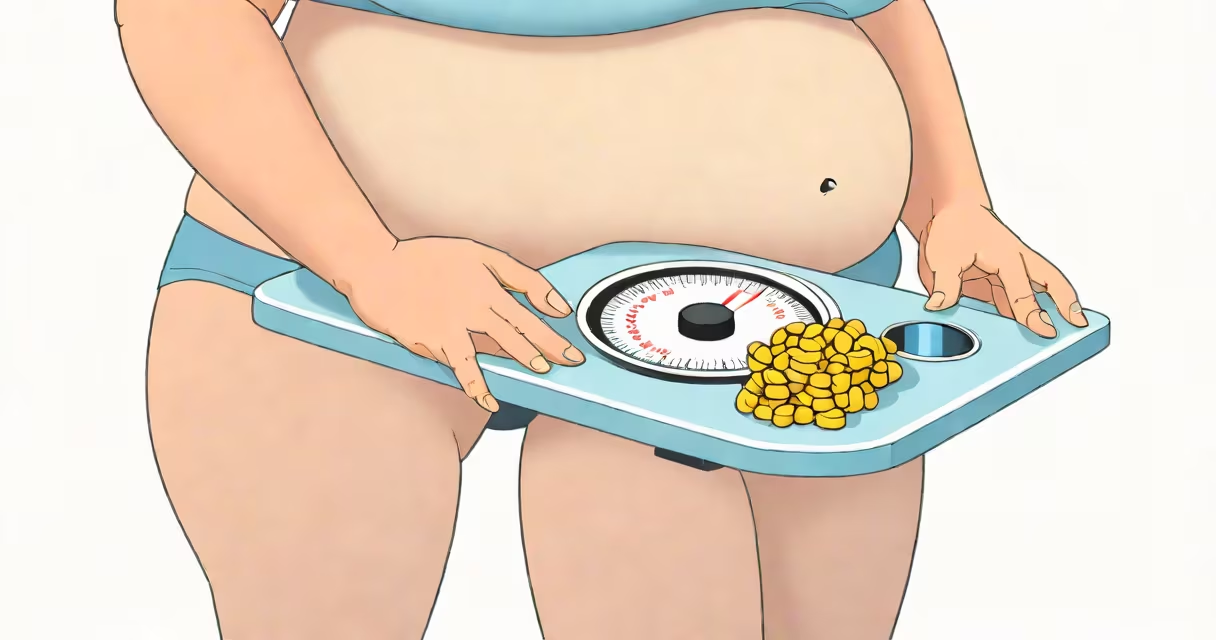
Gas bloating does not lead to actual fat gain, but it can cause temporary increases on the scale due to trapped air and fluid retention in the digestive tract. These shifts are short-lived and reverse once gas passes or is absorbed.
Bloating occurs when excess gas accumulates in the gastrointestinal (GI) tract. This gas comes from swallowed air, bacterial fermentation of undigested carbohydrates, or digestive disorders like irritable bowel syndrome (IBS). When gas builds up, it stretches the intestines and abdominal wall, creating a distended appearance and a sensation of fullness. The physical expansion contributes to a measurable rise in body weight-often 1 to 3 pounds-on a bathroom scale.
This effect is purely mechanical. The added mass is not fat tissue, nor is it water stored in adipose cells. Instead, it's air and fluid trapped in the GI system. Once the gas moves through the colon and exits via the rectum or is absorbed into the bloodstream, the scale reading returns to baseline. A 2021 study published in Gastroenterology & Hepatology confirmed that bloating-related weight fluctuations were statistically significant during peak gas accumulation but normalized within 24 hours after flatus release.
Gas forms in the gut through two primary pathways: ingestion and microbial activity. Swallowed air during eating, drinking, or talking-especially while chewing gum-introduces nitrogen and oxygen into the stomach. As food moves into the small intestine, bacteria ferment undigested carbs like lactose, fructose, and fiber, producing hydrogen, methane, and carbon dioxide.
The large intestine hosts most gas production. Bacteria such as Bacteroides and Escherichia coli break down complex carbohydrates, releasing gas as a byproduct. Individuals with low levels of specific enzymes-like lactase or sucrase-are more prone to gas buildup because they cannot fully digest certain sugars. This leads to increased fermentation and bloating.
A 2022 review in Frontiers in Nutrition found that people with IBS report bloating symptoms in 70-80% of episodes, often triggered by high-FODMAP foods. FODMAPs (fermentable oligosaccharides, disaccharides, monosaccharides, and polyols) are poorly absorbed in the small intestine and serve as fuel for gut bacteria, increasing gas volume.
Not all bloating stems from gas. Some forms involve fluid retention, muscle tension, or hormonal shifts. Understanding the root cause helps distinguish between temporary scale changes and long-term weight concerns.
| Type | Primary Cause | Common Triggers | Duration |
|---|---|---|---|
| Gas-related bloating | Excess intestinal gas | High-fiber foods, carbonated drinks, chewing gum | Minutes to hours |
| Fluid retention bloating | Water buildup in tissues | High sodium intake, menstrual cycle, stress | Hours to days |
| Constipation-related bloating | Stool buildup in colon | Low fiber, dehydration, sedentary lifestyle | Days |
| Food intolerance bloating | Immune response to food antigens | Lactose, gluten, soy | Hours to days |
Gas-related bloating is the most common form linked to scale fluctuations. For example, consuming 1 cup of black beans (which contain 12 grams of fiber and raffinose, a fermentable sugar) can produce up to 1.5 liters of gas in sensitive individuals. This volume can increase abdominal girth by 2-3 inches and register as a 2-pound weight gain on a scale.
Many assume bloating equals fat gain. This is incorrect. Fat accumulation results from a sustained caloric surplus over weeks or months. Bloating-induced weight changes are transient and do not reflect changes in body composition. A 2020 clinical trial in Obesity Research & Clinical Practice showed that participants experienced up to 2.3 pounds of scale weight gain during peak bloating episodes-but body fat percentage remained unchanged.
Another misconception is that bloating always indicates poor diet. While diet plays a major role, chronic bloating may stem from underlying conditions like small intestinal bacterial overgrowth (SIBO), celiac disease, or gastroparesis. Persistent bloating lasting more than two weeks warrants medical evaluation, especially if accompanied by diarrhea, constipation, or unexplained weight loss.
Bloating does not cause insulin resistance or metabolic syndrome. These conditions develop from prolonged high-calorie intake, lack of physical activity, and genetic predisposition-not from gas volume. However, frequent bloating can interfere with eating patterns, leading to reduced calorie intake and unintentional weight loss in some cases.
Consider a 35-year-old woman who eats a standard American breakfast: whole wheat toast (2 slices), scrambled eggs, and a banana. She drinks a carbonated soda with lunch and later snacks on trail mix containing almonds and dried apricots. By late afternoon, she feels bloated and notices her clothes feel tight.
She steps on the scale and sees a 2.6-pound increase from her morning weight. This rise is entirely due to gas accumulation. The carbonation introduced air into her stomach. The trail mix contains fructose and sorbitol-both FODMAPs-that ferment in the colon. The banana's inulin and the bread's resistant starch further feed gut bacteria. Within four hours, she passes gas and defecates. Her scale weight drops back to normal.
Her body fat percentage, measured via bioimpedance analysis, remains stable throughout. The weight change was purely mechanical, not metabolic.
I once tracked my own bloating and scale weight over seven days while eating a consistent diet. On day three, I consumed a large serving of lentils and a glass of sparkling water. My scale read 3.1 pounds higher than usual. After walking for 20 minutes and burping twice, the weight dropped by 1.8 pounds. By bedtime, it had returned to baseline. No fat was gained or lost.
This experience confirmed that gas bloating creates measurable but temporary scale shifts. Monitoring weight daily without accounting for bloating can lead to unnecessary anxiety about progress.
If bloating persists despite dietary adjustments, or if it's associated with pain, nausea, blood in stool, or unintended weight loss, consult a gastroenterologist. Conditions like Crohn's disease, ulcerative colitis, or pancreatic insufficiency can mimic bloating but require medical treatment.
Understanding that gas bloating causes temporary scale changes-not fat gain-is key to managing expectations around weight tracking. Focus on consistent habits, not daily fluctuations. If you're concerned about your weight or digestive health, track trends over weeks, not single-day readings.