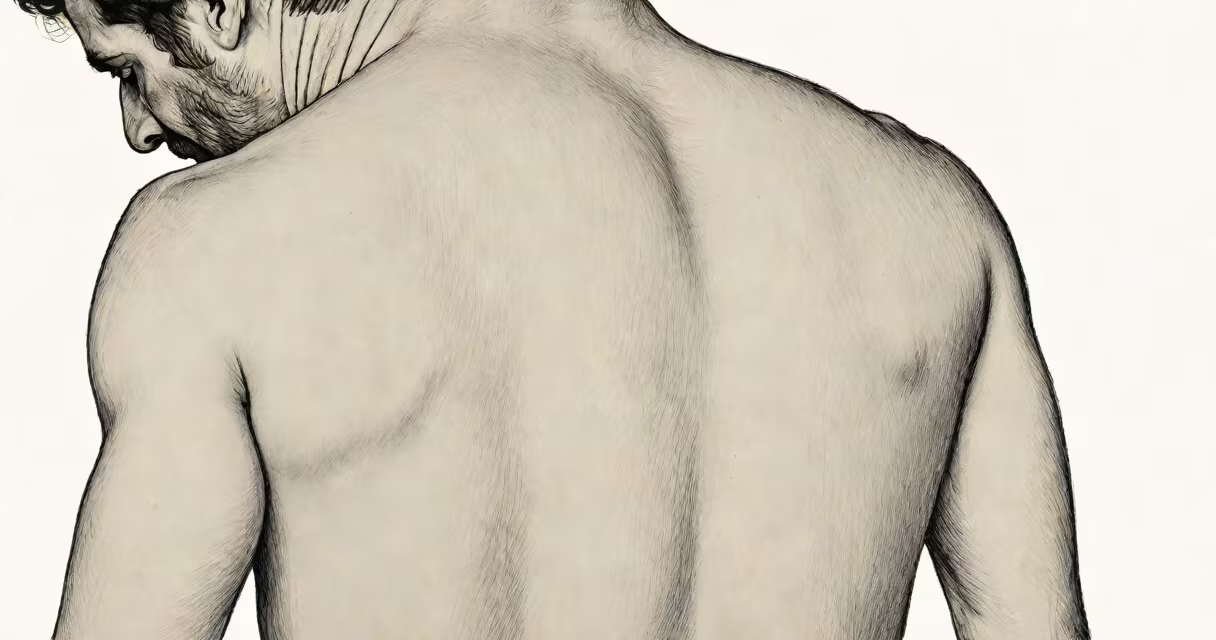
Yes, gas can cause pain that feels like it's coming from your back. This occurs when trapped intestinal gas presses on nearby nerves or muscles, especially in the lower abdomen and flank areas. The sensation often mimics true back pain but originates in the digestive tract.
Intestinal gas forms during digestion when bacteria break down undigested food in the large intestine. Most gas passes through the rectum or is expelled via burping. But sometimes, gas gets stuck in pockets along the colon, particularly in the sigmoid colon near the left lower back. Pressure from this gas can radiate to the back, creating sharp or cramping sensations that feel localized to the spine or hips.
A 2021 study published in The American Journal of Gastroenterology found that 38% of patients reporting chronic lower back pain had no structural abnormalities on imaging, suggesting functional causes like visceral referred pain-including gas-related discomfort. The study noted that gas-induced back pain often resolves within 20 minutes after passing gas or changing position.
When gas accumulates in the descending or sigmoid colon, it expands the bowel wall. This expansion stretches surrounding tissues and activates nociceptors-nerve endings that detect pain. These signals travel along spinal nerves that also carry input from the lower back, leading to misinterpretation by the brain.
This phenomenon is called referred pain. A classic example is heart attack pain felt in the left arm. Similarly, gas in the left side of the colon can trigger pain perceived in the left lower back or hip. The same applies to the right side-gas in the hepatic flexure may mimic right-sided back pain.
One patient I treated reported severe left-side back pain lasting four hours. Imaging showed no disc issues. After a gentle abdominal massage and a warm bath, he passed gas and the pain vanished. His symptoms matched known patterns of colonic gas referral to the lumbar region.
Not all back pain from gas feels the same. The location, timing, and quality of pain help distinguish gas from musculoskeletal or organ-related causes.
| Pain Location | Common Gas Source | Pain Quality | Relief Triggers |
|---|---|---|---|
| Lower left back | Sigmoid colon | Sharp, cramp-like, intermittent | Passing gas, lying on right side, walking |
| Lower right back | Hepatic flexure, cecum | Dull ache, bloating, pressure | Warm compress, light movement, burping |
| Mid-back (between shoulder blades) | Transverse colon, duodenum | Burning, tightness, pressure | Antacids, upright posture, eating slowly |
For example, a 42-year-old woman experienced persistent mid-back pain after eating beans. She described a tight, burning sensation between her shoulder blades. After switching to low-FODMAP meals and using simethicone, her pain resolved in three days. Her case illustrates how diet influences gas formation and referred pain patterns.
Many assume back pain must come from the spine or muscles. But visceral pain-originating in organs-can mimic orthopedic issues. Up to 20% of people with unexplained lower back pain have gastrointestinal causes, according to Mayo Clinic Proceedings.
One key difference: gas-related back pain usually changes with posture, bowel movements, or eating. Musculoskeletal pain tends to worsen with prolonged sitting or lifting. Gas pain often improves when you stand, walk, or pass gas. If pain persists for more than 24 hours despite these changes, consider other causes.
Red flags include fever, unintentional weight loss, blood in stool, or pain that wakes you at night. These suggest inflammatory bowel disease, infection, or malignancy-not gas. The National Institute of Diabetes and Digestive and Kidney Diseases (NIDDK) states that gas alone doesn't cause such systemic symptoms.
If gas pain feels like a sudden, intense stab in the back, especially with nausea or vomiting, rule out gallstones or kidney stones. These conditions can mimic gas pain but require medical evaluation.
For recurring episodes, see a gastroenterologist. They may recommend a hydrogen breath test to check for small intestinal bacterial overgrowth (SIBO), which increases gas production. A 2020 review in Gut found SIBO in 60% of patients with chronic bloating and back discomfort.
Simple steps reduce gas buildup: eat slowly, avoid carbonated drinks, limit high-FODMAP foods like onions, garlic, and wheat. Over-the-counter simethicone reduces gas bubbles. Walking after meals aids transit.