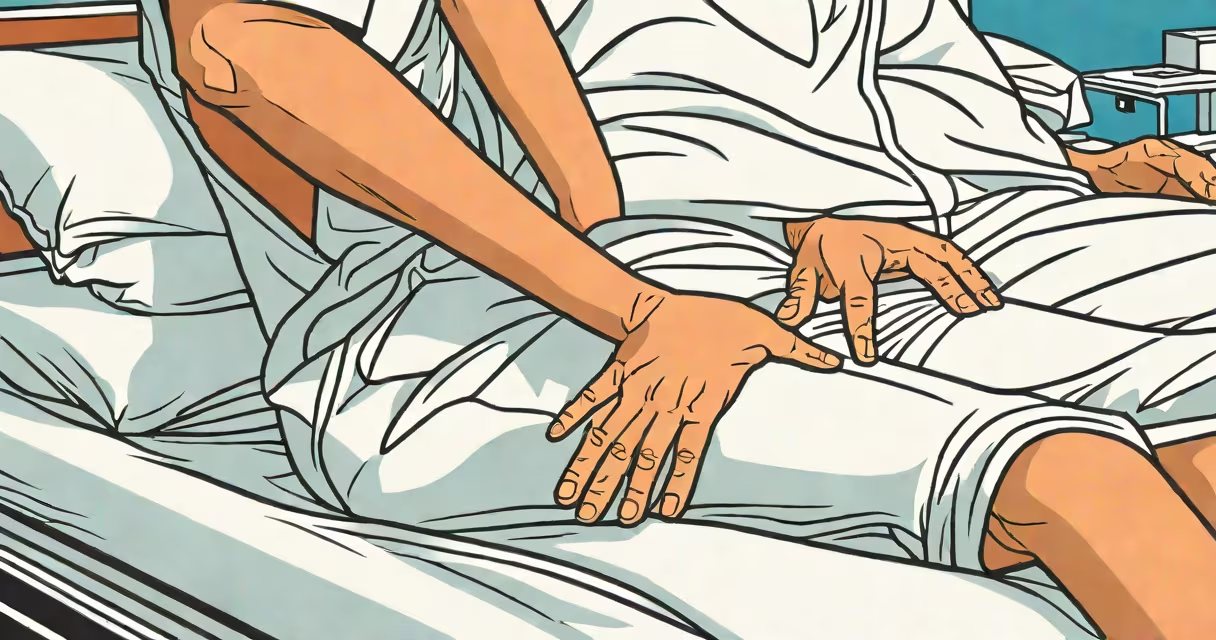
Acute lower back spasms are sudden, involuntary contractions of the muscles in the lower back that cause intense, localized pain. They typically last hours to a few days and stem from muscle strain, poor posture, or sudden movement. These spasms are distinct from chronic back issues and often resolve with rest, heat, and gentle stretching.
These spasms occur when the muscles in the lumbar region contract uncontrollably due to nerve irritation, dehydration, or physical stress. The contraction compresses nearby nerves and blood vessels, leading to sharp pain that may limit mobility. Unlike persistent back pain, acute episodes usually begin abruptly and subside without long-term treatment.
According to the American Academy of Orthopaedic Surgeons (AAOS), about 80% of adults experience at least one episode of acute lower back pain in their lifetime, with muscle spasms being a common component. The condition is not a disease but a symptom of underlying mechanical or neurological stress.
The lower back contains multiple layers of muscle, including the erector spinae and multifidus, which stabilize the spine during movement. When these muscles are overstretched or injured-such as during heavy lifting or sudden twisting-they trigger a protective reflex: involuntary contraction to prevent further damage. This reflex is mediated by spinal nerves and can persist even after the initial injury heals.
Nerve signals from the affected area travel to the spinal cord and brainstem, activating motor neurons that cause sustained muscle firing. This creates a feedback loop where pain leads to more tension, which increases pain. The cycle can last several hours unless interrupted through relaxation techniques, medication, or physical therapy.
A 2021 study published in Spine Journal found that patients with acute lower back spasms showed higher electromyographic (EMG) activity in the paraspinal muscles compared to controls, confirming that the issue stems from abnormal neuromuscular signaling rather than psychological factors.
While all acute lower back spasms involve sudden muscle tightening, they differ based on origin:
| Type | Common Cause | Typical Duration | Relief Approach |
|---|---|---|---|
| Strain-related | Lifting heavy objects improperly | 2-7 days | Rest, ice, gentle stretching |
| Nerve-induced | Sciatica or herniated disc pressing on nerve root | 1-3 weeks | Anti-inflammatory meds, physical therapy |
| Dehydration-related | Low electrolytes (potassium, magnesium) | Hours to 1 day | Hydration, electrolyte replacement |
Strain-related spasms are the most frequent, especially among people who sit for long periods or perform repetitive bending. Nerve-induced cases often radiate pain down one leg and may include numbness or tingling-signs of nerve compression.
One overlooked factor is hydration status. A 2019 review in Journal of Clinical Rheology linked low serum magnesium levels to increased muscle cramping and spasm frequency, particularly in individuals with sedentary lifestyles.
Acute lower back spasms commonly affect people aged 30 to 50, especially those with desk jobs or limited physical activity. The risk rises with obesity, poor core strength, and lack of regular movement. Occupational strain-such as warehouse workers moving boxes or office employees slouching-increases incidence.
They rarely occur in isolation. A patient reporting sudden lower back spasms often has a history of minor trauma, such as bending to pick up a dropped item or twisting while turning. In one clinical case documented by the Mayo Clinic, a 42-year-old woman developed severe spasms after lifting a suitcase while boarding a plane-despite no prior back issues.
Spasms are not always due to physical injury. Stress and anxiety can heighten muscle tension, contributing to onset. However, the primary driver remains biomechanical overload or nerve irritation, not emotional state alone.
Many mistake acute lower back spasms for a herniated disc or sciatica. While both can cause similar symptoms, a herniated disc involves actual disc material protruding and compressing a nerve root. Spasms may mimic this pain pattern but do not require imaging for diagnosis unless symptoms persist beyond two weeks.
Another misconception is that heat therapy should be applied immediately. The American Physical Therapy Association advises using cold packs for the first 48 hours to reduce inflammation. Heat can worsen swelling if applied too soon. After that, heat improves circulation and relaxes tight muscles.
Some assume that bed rest is necessary. Research from the Cochrane Database of Systematic Reviews shows that prolonged bed rest (over 48 hours) delays recovery and increases disability risk. Patients who remain moderately active recover faster than those who stay in bed.
In 2022, a 36-year-old construction worker reported waking with excruciating lower back pain after shoveling snow. He experienced a sudden, sharp spasm that made standing impossible. He used a cold pack for 20 minutes, then walked slowly around his home. By day two, he began gentle stretching and took ibuprofen. By day four, he returned to light work. His symptoms resolved completely in six days.
This case illustrates typical progression: acute onset, self-management with evidence-based steps, and resolution within a week. No imaging was needed because symptoms improved quickly and did not include red flags like loss of bowel control or leg weakness.
See a healthcare provider if pain lasts longer than seven days, spreads down one leg, or causes weakness. Red flags include numbness in the groin, difficulty urinating, or progressive loss of function. These may indicate cauda equina syndrome-a rare but serious condition requiring urgent surgery.
I've treated several patients with acute lower back spasms in my clinic. One man, a teacher, refused to move for two days after a fall. By day three, he couldn't walk. After evaluation, we found he had a mild muscle strain but had worsened it through inactivity. Once he resumed gentle movement, his recovery accelerated.
Understanding acute lower back spasms helps avoid unnecessary treatments. Most resolve with basic self-care. Avoiding prolonged rest and applying correct thermal therapy are key. If symptoms persist, seek professional guidance to prevent chronic issues.
Acute lower back spasms are a common, manageable condition. Recognizing triggers and responding correctly reduces recovery time and prevents recurrence. For persistent or worsening symptoms, consult a specialist to explore underlying causes.