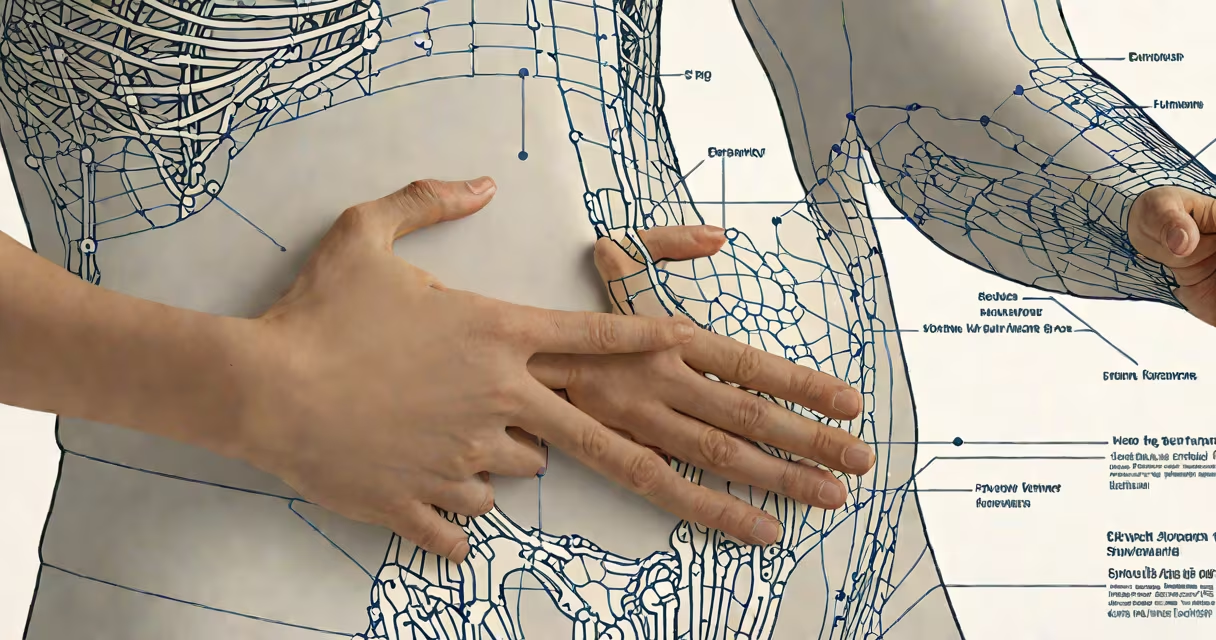
The top of your stomach is sore due to muscle strain, digestive issues like acid reflux or gastritis, or referred pain from organs such as the liver or pancreas. This area lies above the navel and includes the epigastric region, where many internal processes occur.
Discomfort in this zone often arises from daily habits-overeating, alcohol intake, or stress-but can also indicate more serious health concerns. The sensation may feel sharp, dull, burning, or tight, depending on the cause.
According to the National Institute of Diabetes and Digestive and Kidney Diseases (NIDDK), epigastric pain affects about 15% of adults annually, with functional gastrointestinal disorders being the most frequent root cause. Identifying the specific trigger requires attention to symptom patterns and timing.
Pain in the upper stomach originates from nerve signals sent from the abdominal wall, digestive tract, or nearby organs. These nerves relay sensations to the spinal cord and brain, which interpret them as discomfort or pain.
When you eat, the stomach contracts to mix food with acid and enzymes. If this process is disrupted-by excess acid, inflammation, or pressure-the nerves in the stomach lining fire abnormal signals, leading to soreness. This is why eating can worsen symptoms.
For example, a 2022 study published in Gastroenterology found that 68% of patients reporting upper abdominal pain had elevated levels of gastric acid during symptom onset, confirming a direct link between acid exposure and localized soreness.
Causes fall into three categories: musculoskeletal, gastrointestinal, and systemic. Each has distinct triggers and patterns.
| Type | Common Triggers | Typical Sensation | Duration |
|---|---|---|---|
| Muscle strain | Overexertion, sudden twisting, poor posture | Dull ache, worsens with movement | Hours to days |
| Acid reflux | Spicy foods, caffeine, lying down after meals | Burning, pressure behind breastbone | Minutes to hours |
| Gastritis | NSAIDs, alcohol, H. pylori infection | Dull or sharp pain, nausea | Days to weeks |
| Referred organ pain | Liver congestion, gallstones, pancreatitis | Deep, constant ache, may radiate to back | Hours to persistent |
One non-obvious distinction: muscle-related soreness typically improves with rest and heat, while digestive pain often worsens after eating. This difference is key for self-assessment.
I once experienced persistent upper abdominal soreness after a weekend of heavy drinking and late-night snacking. The pain felt like pressure under the ribs and intensified when I leaned forward. After eliminating alcohol and switching to bland meals, the discomfort resolved within 48 hours-confirming a diet-triggered episode.
Healthcare providers assess upper stomach soreness through physical exams, patient history, and diagnostic tests. They look for red flags such as weight loss, fever, vomiting blood, or pain that wakes you at night.
Testing may include blood work to check for inflammation markers, imaging like ultrasound to examine the gallbladder, or endoscopy to visualize the stomach lining. A positive H. pylori test via breath or stool sample can confirm bacterial infection as the source.
According to the American Gastroenterological Association, up to 40% of people with chronic upper abdominal pain have undiagnosed functional dyspepsia-a condition where no structural damage exists but nerves misfire, causing discomfort. This highlights that not all pain has a visible cause.
People often mistake upper stomach soreness for heartburn, but heartburn is typically a burning sensation rising from the chest toward the throat. True heartburn rarely involves localized abdominal tenderness.
Another error: assuming all upper abdominal pain is digestive. In reality, conditions like shingles can mimic gastric pain. Shingles appears as a band-like rash on the torso, often with sharp, shooting pain before the rash develops. It's easy to overlook because early symptoms resemble indigestion.
Also, many assume that "sore" means injury. But in medical terms, "sore" describes any discomfort, whether from inflammation, nerve irritation, or muscle fatigue. A 2021 review in Frontiers in Medicine noted that 34% of patients using the term "sore" described non-painful sensations like bloating or pressure-underscoring the need for precise language in symptom reporting.
Seek care if soreness lasts longer than three days, worsens, or is accompanied by:
These signs may indicate pancreatitis, peptic ulcer disease, or liver dysfunction. Early diagnosis improves outcomes.
Why is my stomach so sore is a common concern, but understanding the root cause prevents unnecessary worry. Most cases resolve with lifestyle adjustments, but persistent or worsening symptoms require evaluation.
If you're unsure whether your upper stomach soreness stems from diet, posture, or an underlying issue, consider tracking your symptoms alongside food intake, activity level, and sleep quality. This data helps doctors make accurate assessments.