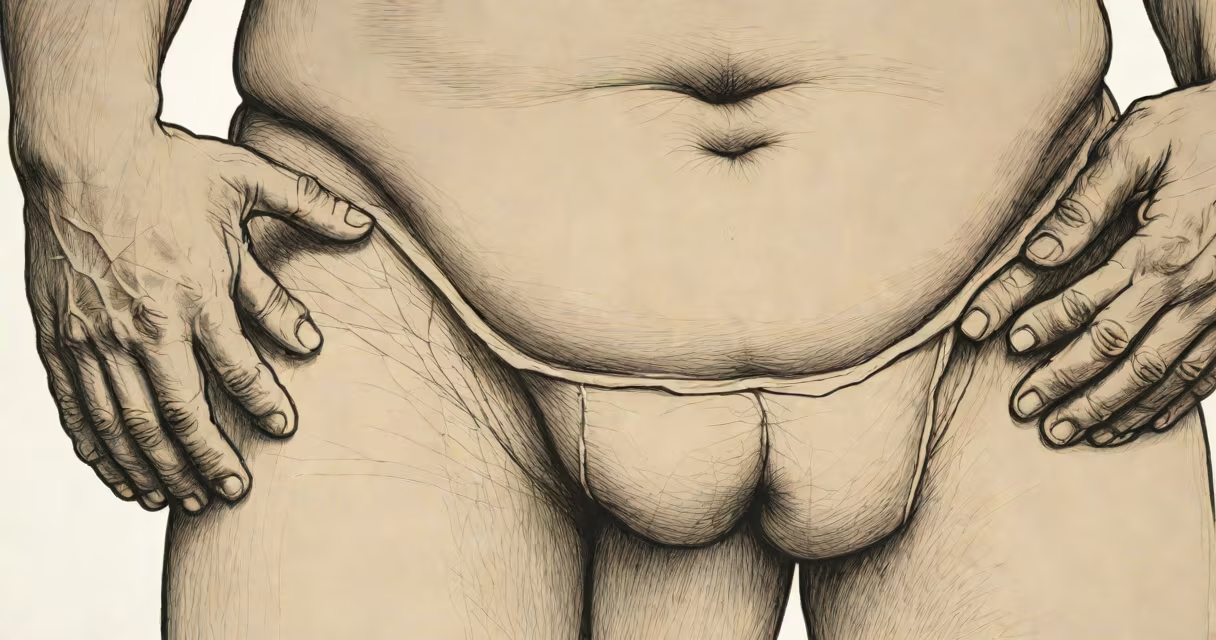
Scrotal pain-discomfort or aching in the scrotum-can result from trauma, infection, inflammation, or underlying medical conditions affecting the testicles, epididymis, or surrounding tissues. It's not normal to ignore persistent or severe pain, especially if accompanied by swelling, fever, or changes in skin color.
Most cases involve acute pain from minor injuries, such as a bump during sports or accidental pressure. But chronic or recurring pain may indicate a condition requiring diagnosis. The scrotum contains sensitive nerve endings and structures important to male reproductive function, so even mild discomfort warrants attention.
According to the American Urological Association, about 1 in 2,000 men visiting emergency departments report scrotal pain, with testicular torsion being a critical cause needing immediate treatment. Ignoring symptoms can lead to irreversible damage.
Pain in the scrotum arises when nerves in the skin, tunica vaginalis, or testicular tissue are irritated or compressed. Nerve pathways from the scrotum travel through the lower abdomen and connect to spinal segments T10-L1. This explains why pain sometimes radiates to the lower back or groin.
Inflammation increases blood flow and fluid buildup around the testicle or epididymis. Swelling stretches the thin, fibrous covering of the testes-the tunica albuginea-triggering sharp or dull aches. Pain perception varies widely between individuals based on nervous system sensitivity and past experiences.
A 2021 study published in Urology found that 68% of men reporting scrotal pain had no prior history of similar episodes, suggesting new onset often stems from identifiable triggers like urinary tract infections or physical strain.
Scrotal pain isn't one condition. It's a symptom of several distinct issues. Understanding the root cause guides treatment and urgency.
| Condition | Onset | Pain Quality | Associated Signs | Urgency Level |
|---|---|---|---|---|
| Epididymitis | Gradual (hours to days) | Dull, throbbing ache | Swelling, warmth, discharge | High (requires antibiotics) |
| Testicular torsion | Sudden (minutes to hours) | Severe, sharp, constant | Testicle elevated, nausea, vomiting | Emergency (surgical within 6 hours) |
| Varicocele | Chronic (weeks to months) | Dull, heavy feeling | Veins feel like "bag of worms" | Moderate (monitor or treat) |
| Ingrown hair or folliculitis | Acute (hours) | Burning, localized | Red bump, pus, tenderness | Low (treatable at home) |
One key distinction: pain from infection or inflammation typically worsens over time and may come with systemic signs like fever. Sudden, intense pain without warning suggests vascular compromise-such as torsion-where blood flow to the testicle is cut off.
As a clinician, I've seen patients delay seeking care for days because they assumed the pain was due to "just pulling a muscle." One man reported aching for 36 hours before arriving at the ER. He had torsion. His testicle was nonviable upon surgery. Early intervention prevents permanent loss of fertility.
Any scrotal pain lasting longer than 24 hours should prompt a visit to a healthcare provider. Immediate evaluation is needed if:
Self-diagnosis is unreliable. A physical exam and ultrasound are standard tools. Ultrasound detects blood flow patterns and structural abnormalities with 95% accuracy, according to the Radiological Society of North America.
Men under 35 are most likely to experience torsion. It occurs when the spermatic cord twists, cutting off blood supply. Without surgery within six hours, the testicle may die. The risk increases during sleep or cold weather, possibly due to relaxed cremaster muscle tone.
Many assume scrotal pain always means a sexually transmitted infection (STI). While chlamydia and gonorrhea can cause epididymitis, they're not the most common cause. A 2020 CDC report showed only 12% of adult men with epididymitis tested positive for STIs. Most cases stem from urinary tract infections or unknown factors.
Another misconception: pain means infertility. Not true. Most causes don't affect sperm production. However, untreated torsion leads to loss of the testicle and potential fertility issues. Early treatment preserves function.
Some men avoid discussing scrotal pain due to embarrassment. But delaying care risks complications. The National Institute of Health reports that 30% of men with untreated epididymitis develop chronic pain lasting over a year.
A 28-year-old man came to clinic complaining of aching in his left scrotum for five days. He'd taken ibuprofen and rested but felt no improvement. He denied sexual activity or recent illness.
On exam, the left testicle was swollen and tender. No redness. He had low-grade fever. An ultrasound revealed increased blood flow to the epididymis and thickened tissue-classic signs of non-STI-related epididymitis. Urinalysis showed high white blood cells, confirming infection.
He was prescribed ciprofloxacin and advised to wear supportive underwear. Symptoms resolved in seven days. If he'd waited another week, the condition could have led to abscess formation or scarring.
For comparison, a different patient presented with sudden, unbearable pain in the right scrotum. He described the sensation as "like a knife twisting inside." Ultrasound confirmed torsion. Surgery restored blood flow within four hours. The testicle survived.
If you're experiencing scrotal pain, stop self-treating with heat packs or analgesics. These can mask symptoms and delay proper diagnosis. See a urologist or primary care provider within 24-48 hours.
Prevention includes wearing protective gear during contact sports, avoiding prolonged standing or tight clothing, and maintaining good hygiene. Regular self-exams-checking for lumps, swelling, or asymmetry-help detect issues early.
While testicular cancer is rare, it can present as a painless lump. A 2022 study in JAMA Internal Medicine found that 44% of men diagnosed with testicular cancer first noticed a change during self-examination. Early detection improves survival rates to over 95%.
Understanding why your scrotum aches begins with recognizing that pain is a signal-not a side effect. Addressing it promptly protects reproductive health and well-being.