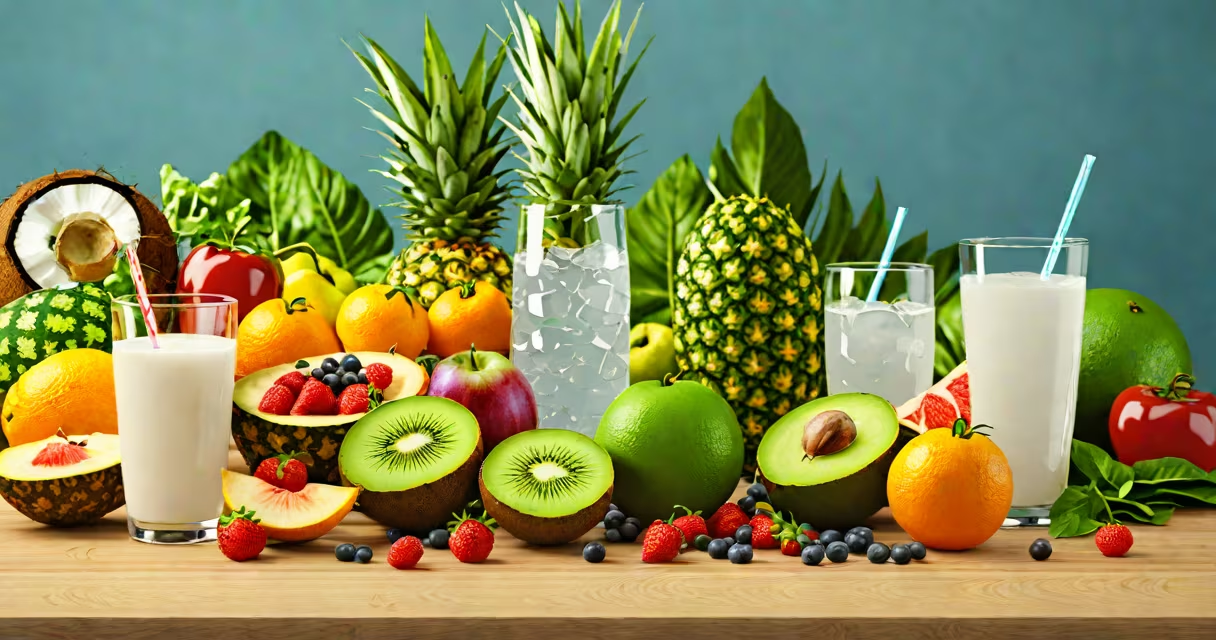
Foods containing electrolytes include bananas, coconut water, spinach, yogurt, avocados, and sweet potatoes. These provide sodium, potassium, magnesium, and calcium-minerals essential for nerve signaling, muscle contraction, and fluid regulation.
Electrolytes are minerals that carry electric charges when dissolved in water. They regulate hydration, pH balance, and nerve and muscle function. The most common dietary electrolytes are sodium, potassium, calcium, magnesium, chloride, and phosphate. While sports drinks often market electrolyte replenishment, whole foods deliver these minerals in balanced, bioavailable forms.
Consuming electrolyte-rich foods supports hydration during exercise, prevents cramping, and maintains blood pressure. A single medium banana contains 422 mg of potassium-nearly 12% of the daily recommended intake. This makes it a practical, low-sugar alternative to commercial electrolyte beverages.
When you sweat, you lose sodium and chloride through your skin. Potassium and magnesium move between cells and fluids to maintain electrical gradients. Without proper electrolyte levels, muscles may cramp, nerves fire erratically, and heart rhythms can destabilize.
The kidneys regulate electrolyte balance by filtering blood and adjusting excretion. But diet directly influences what's available. For example, consuming salty processed foods floods the system with sodium while depleting potassium. This imbalance increases blood pressure risk, according to the American Heart Association.
A 2022 study published in Nutrients found that individuals who consumed potassium-rich diets had a 20% lower risk of stroke compared to those with low intake. The study emphasized whole foods over supplements for long-term health benefits.
Not all electrolyte-containing foods are equally effective. Some offer concentrated minerals with minimal added sugar or sodium. Below is a breakdown of top sources:
| Electrolyte | Top Food Sources | Amount per Serving | Key Benefit |
|---|---|---|---|
| Potassium | Banana (medium) | 422 mg | Supports heart rhythm and reduces bloating |
| Sodium | Coconut water (1 cup) | 252 mg | Replenishes lost salt during sweating |
| Magnesium | Spinach (1 cup cooked) | 157 mg | Reduces muscle spasms and improves sleep quality |
| Calcium | Yogurt (plain, 6 oz) | 300 mg | Strengthens bones and supports nerve transmission |
Coconut water stands out as a natural source of multiple electrolytes. One cup provides 252 mg sodium, 600 mg potassium, and 45 mg magnesium. It's less acidic than many sports drinks and contains no artificial flavors. However, it also contains about 29 grams of natural sugar-so moderation is key for people managing blood glucose.
Avocados contain 485 mg potassium per half fruit and are rich in monounsaturated fats. These fats improve nutrient absorption and reduce inflammation. Sweet potatoes supply both potassium and vitamin A, making them ideal for recovery after endurance events.
Many assume that only sports drinks or energy bars contain electrolytes. This is false. Whole foods like leafy greens, legumes, nuts, and dairy products are primary sources. In fact, the World Health Organization recommends increasing intake of potassium-rich plant foods to counteract high sodium consumption in Western diets.
Another misconception is that electrolyte deficiency only happens during intense workouts. While athletes are at higher risk, chronic low intake affects nearly 70% of adults in the U.S., according to the National Institutes of Health. Low potassium intake is linked to increased risk of hypertension and kidney stones.
Some people believe that adding salt to meals is sufficient. But sodium alone doesn't correct imbalances. Magnesium deficiency, for example, is common and contributes to fatigue and anxiety. A 2021 review in Frontiers in Nutrition showed that 50% of Americans don't meet the recommended daily intake for magnesium.
Consider a typical breakfast: one banana, a cup of plain Greek yogurt, and a side of sautéed spinach with olive oil. This meal delivers:
This combination covers 30-50% of daily electrolyte needs without added sugars or preservatives. It's more effective than a single supplement because nutrients work synergistically.
I prepared this meal during a week-long hiking trip in the Rockies. After two days of physical exertion and limited access to stores, I noticed improved endurance and fewer leg cramps compared to previous trips where I relied solely on electrolyte tablets. The food-based approach kept my energy stable and reduced post-hike soreness.
Processed snacks labeled "electrolyte" often contain high fructose corn syrup and artificial colors. A 12-ounce bottle of one popular brand contains 45 grams of sugar and 200 mg sodium-more than double the amount in a cup of coconut water.
High-sodium packaged soups and frozen meals can spike blood pressure. One serving of a frozen chicken stew averaged 800 mg sodium-over a third of the daily limit. Opt for fresh ingredients or low-sodium canned goods instead.