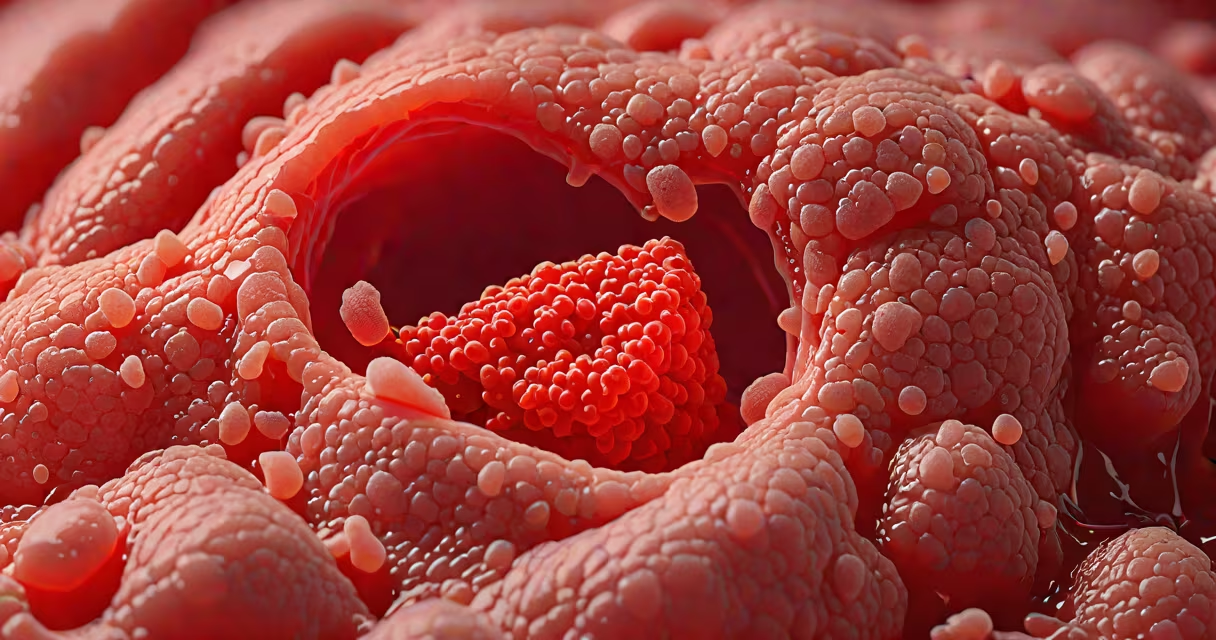
Ulceration describes the process where tissue breaks down, forming an open sore on the skin or inside a mucous membrane such as the mouth, stomach, or intestines. It results from damage that exceeds the body's ability to repair itself, often due to trauma, infection, poor circulation, or chronic illness.
Ulceration is not a diagnosis in itself but a sign of deeper pathology. It appears as a crater-like lesion with exposed underlying tissue, sometimes accompanied by pain, discharge, or bleeding. The term applies to both superficial and deep tissue loss, depending on severity.
For example, a pressure ulcer on the heel of a bedridden patient develops over days due to constant pressure restricting blood flow. Without intervention, the skin breaks down, exposing fat or even bone. This is ulceration - not just a wound, but a failure of tissue integrity under sustained stress.
Tissue damage begins when blood supply to an area is compromised or when cells are damaged by toxins, bacteria, or mechanical force. In response, immune cells rush to the site, releasing chemicals that cause inflammation. If the damage persists, healthy cells die, and the extracellular matrix - the structural support of tissues - collapses.
Healing normally follows a sequence: inflammation, proliferation (new tissue growth), and remodeling. But in ulceration, this cycle stalls. Chronic conditions like diabetes, autoimmune disorders, or vascular disease disrupt blood flow or immune function, preventing repair. As a result, the wound fails to close and may grow larger over time.
A 2022 study published in Wound Repair and Regeneration found that 60% of chronic ulcers in diabetic patients had impaired angiogenesis - the formation of new blood vessels - which delays healing and increases the risk of infection.
Ulceration occurs in different locations and has distinct causes. The most common types include:
| Type | Location | Common Causes | Example |
|---|---|---|---|
| Dermatologic | Skin surface | Pressure, burns, trauma | Decubitus ulcer on the sacrum |
| Gastrointestinal | Stomach or intestinal lining | H. pylori infection, NSAID use | Peptic ulcer in the duodenum |
| Mucosal | Mouth, vagina, anus | Autoimmune disease, viral infection | Recurrent aphthous stomatitis |
| Venous | Limb extremities | Chronic venous insufficiency | Leg ulcer near the ankle |
Each type requires different diagnostic methods and treatments. For instance, a gastric ulcer diagnosed via endoscopy may require antibiotics for H. pylori, while a venous leg ulcer demands compression therapy and elevation to improve blood return.
Many people confuse ulceration with minor cuts or abrasions. A scrape heals within days; an ulcer persists beyond four weeks. The key difference lies in duration and depth. Ulceration involves full-thickness tissue loss, whereas a cut typically affects only the epidermis.
Another misconception is that all ulcers are painful. Some, especially those in the gastrointestinal tract, cause little discomfort until complications arise. A silent peptic ulcer can bleed internally, leading to anemia or perforation - a life-threatening event.
According to the National Institutes of Health (NIH), nearly 20% of patients with venous leg ulcers report no pain, yet they still carry high risks of infection and delayed healing. This underscores the importance of clinical assessment over symptoms alone.
A 62-year-old man with type 2 diabetes developed a small blister on his right foot after walking in ill-fitting shoes. Over two weeks, the blister ruptured, revealing a red, raw area with yellowish exudate. He ignored it, assuming it was a minor burn.
When he finally saw a doctor, a wound culture showed MRSA. Imaging revealed bone involvement - osteomyelitis. The lesion measured 2.5 cm × 1.8 cm with a depth of 0.8 cm. This was a stage 3 pressure ulcer with ulceration involving subcutaneous tissue and muscle.
He required debridement (removal of dead tissue), intravenous antibiotics, and offloading with a total contact cast. After six weeks, the wound closed. The delay in treatment led to prolonged hospitalization and increased risk of amputation.
This case illustrates how ulceration progresses silently and demands early recognition. What began as a minor injury became a complex, infected ulcer due to neuropathy and poor perfusion - hallmarks of diabetic foot disease.
Ulceration is not synonymous with infection, though infections often complicate ulcers. A wound can be infected without ulceration - for example, a superficial abscess. Conversely, an ulcer can exist without infection, especially in early stages.
It's also not the same as a tumor. While cancerous lesions may erode tissue and resemble ulcers, they grow abnormally and invade surrounding structures. A biopsy is needed to distinguish between malignant and benign ulceration.
Finally, ulceration does not always indicate poor hygiene. A well-maintained surgical incision can develop an ulcer if blood flow is disrupted during recovery. The cause lies in physiology, not cleanliness.
I once assisted in a wound care clinic where a nurse applied negative pressure wound therapy (NPWT) to a patient with a stage 4 pressure ulcer on the buttock. The wound measured 5 cm × 4 cm with visible fascia. Despite daily dressing changes and nutrition support, healing took 12 weeks. The patient's mobility was limited, and the ulcer recurred after discharge.
That experience confirmed how persistent ulceration can be. Even with advanced care, outcomes depend heavily on managing underlying conditions like malnutrition, immobility, and comorbidities.
Any open sore lasting longer than two weeks should be evaluated. Red flags include increasing size, foul odor, pus, fever, or numbness around the wound. These suggest infection or worsening tissue damage.
Early intervention improves healing rates. The American Academy of Wound Management recommends assessment within 72 hours of noticing a non-healing lesion, especially in individuals with diabetes, heart disease, or a history of smoking.
Ulceration is a clinical endpoint of tissue destruction. It signals that normal repair mechanisms have failed. Recognizing it early, understanding its causes, and acting promptly can prevent serious complications. Knowing what ulceration means is the first step toward effective management.