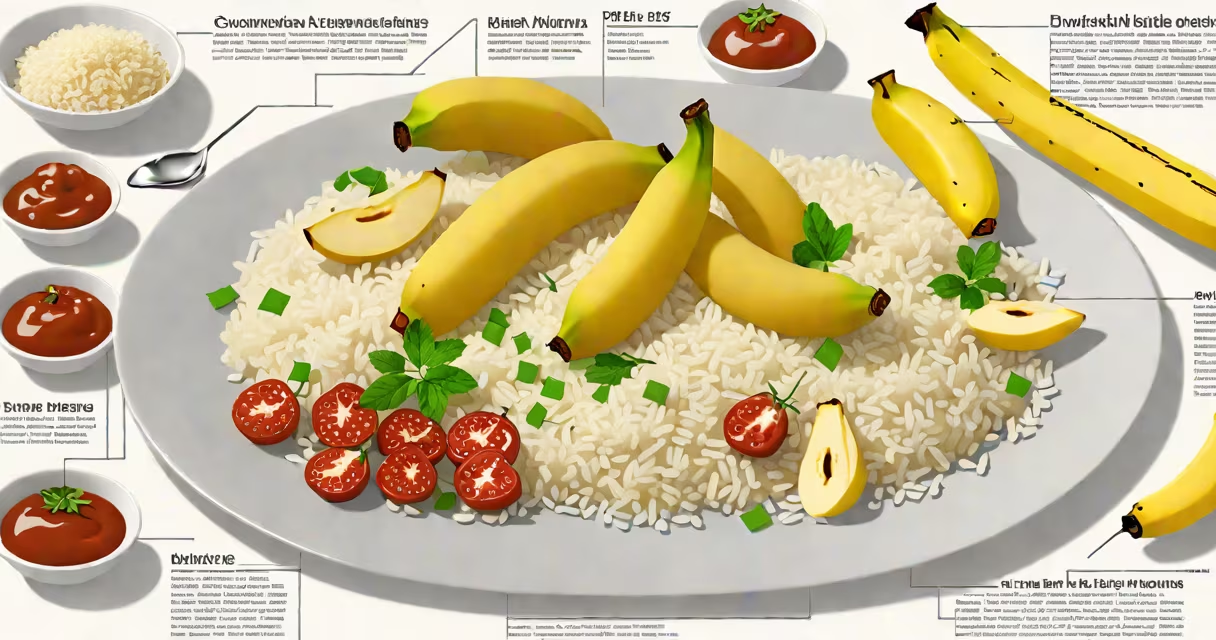
Foods that harden stool include low-fiber, starchy, and binding options such as white rice, ripe bananas, applesauce, and toast. These are effective for reducing loose or watery bowel movements, especially during temporary diarrhea or digestive upset.
When stool becomes too soft or frequent, the goal shifts from increasing fiber to reducing gut stimulation. The right foods slow digestion and absorb water in the intestines, leading to firmer stools. This approach is often called a low-residue or BRAT diet (Bananas, Rice, Applesauce, Toast).
Medical guidelines from the American Gastroenterological Association recommend this diet for short-term management of acute diarrhea. It's not meant for long-term use, as prolonged low-fiber intake can reduce gut microbiome diversity and worsen constipation over time.
Binding foods firm up stool by slowing intestinal transit and absorbing excess fluid. They contain little to no insoluble fiber, which normally adds bulk and speeds movement through the colon. Instead, they rely on starches and pectins that gel in the gut and reduce water content.
For example, unripe bananas contain resistant starch, which resists digestion and acts like soluble fiber to thicken stool. As bananas ripen, their starch converts to sugar, reducing this effect. Ripe bananas still help due to pectin, a soluble fiber that forms a gel-like substance in the large intestine.
White rice lacks bran and germ, removing most of the fiber that increases stool volume. Its starch absorbs water and slows motility. Studies show that diets high in refined carbohydrates correlate with reduced stool frequency and increased consistency in individuals with diarrhea-predominant irritable bowel syndrome (IBS-D).
The following table outlines common foods that firm up stool, their mechanism, and typical serving size.
| Foods | Mechanism | Serving Size | Notes |
|---|---|---|---|
| White rice (cooked) | Starch absorbs water; low residue | ½ cup | Best when fully cooked; avoid instant varieties with added salt |
| Ripe banana | Pectin forms gel; low FODMAP | 1 medium | Unripe bananas have higher resistant starch; ripe ones are gentler on the gut |
| Applesauce (unsweetened) | Contains pectin; low fiber | ¼ cup | Choose plain, no added sugar; avoid canned versions with syrup |
| Plain toast (white bread) | Refined carbs; minimal fiber | 2 slices | Use butter sparingly; avoid whole grain or seeded breads |
| Boiled potatoes (without skin) | Starch absorption; low residue | ½ medium | Remove skin; avoid fried or mashed versions with milk |
These foods are most effective when eaten in small portions throughout the day. Overeating any one food may lead to bloating or discomfort, especially if the gut is sensitive.
Many people assume that all high-fiber foods cause constipation. This is incorrect. Soluble fiber (like pectin and beta-glucan) can improve stool consistency, while insoluble fiber (such as wheat bran) increases bulk and speed. For hardened stool, insoluble fiber worsens the issue.
A key distinction is between stool firmness and bowel regularity. Foods that harden stool do not necessarily increase frequency. In fact, they often reduce it. If your goal is to move bowels daily, adding fiber-rich foods like oats or chia seeds may be better-but only if you're not experiencing diarrhea.
One non-obvious fact: consuming too much of these binding foods can lead to nutrient deficiencies. White rice and processed grains lack B vitamins, iron, and magnesium. Long-term reliance on the BRAT diet without variety risks nutritional gaps, especially in children and older adults.
I experienced this firsthand during a trip to Southeast Asia. After eating street food, I developed loose stools within six hours. I switched to a BRAT-based diet: ½ cup white rice, one ripe banana, ¼ cup unsweetened applesauce, and two slices of plain toast. I drank clear broth and avoided dairy, caffeine, and raw vegetables.
Within 12 hours, stool consistency improved. By the second day, bowel movements were normal. I resumed a balanced diet gradually, reintroducing fiber slowly to avoid rebound diarrhea.
This approach aligns with guidance from the Mayo Clinic, which notes that the BRAT diet is safe for short-term use in adults and children over two years old. However, it advises against using it for more than 48 hours without medical evaluation.
Do not use binding foods if you're experiencing constipation. They can make existing issues worse. If your stool is hard, dry, or difficult to pass, focus on hydration, soluble fiber (oats, flaxseed), and gentle movement instead.
Also avoid these foods if you have inflammatory bowel disease (IBD), especially Crohn's disease or ulcerative colitis flare-ups. Low-residue diets are sometimes prescribed during active inflammation, but only under a doctor's supervision. Self-prescribing can delay proper diagnosis and treatment.
If diarrhea persists beyond 48 hours, or is accompanied by fever, blood, or severe pain, seek medical care. These symptoms suggest infection or underlying conditions like celiac disease or IBS.
Track your symptoms and food intake for 24-48 hours to identify patterns. Use a symptom diary to note changes in stool form, frequency, and associated foods. This helps distinguish between transient diarrhea and chronic issues.
Remember: what can I eat to harden my poop is not a one-size-fits-all solution. The right choice depends on your current condition, medical history, and dietary context. Use binding foods temporarily, monitor outcomes, and return to balanced nutrition as soon as possible.