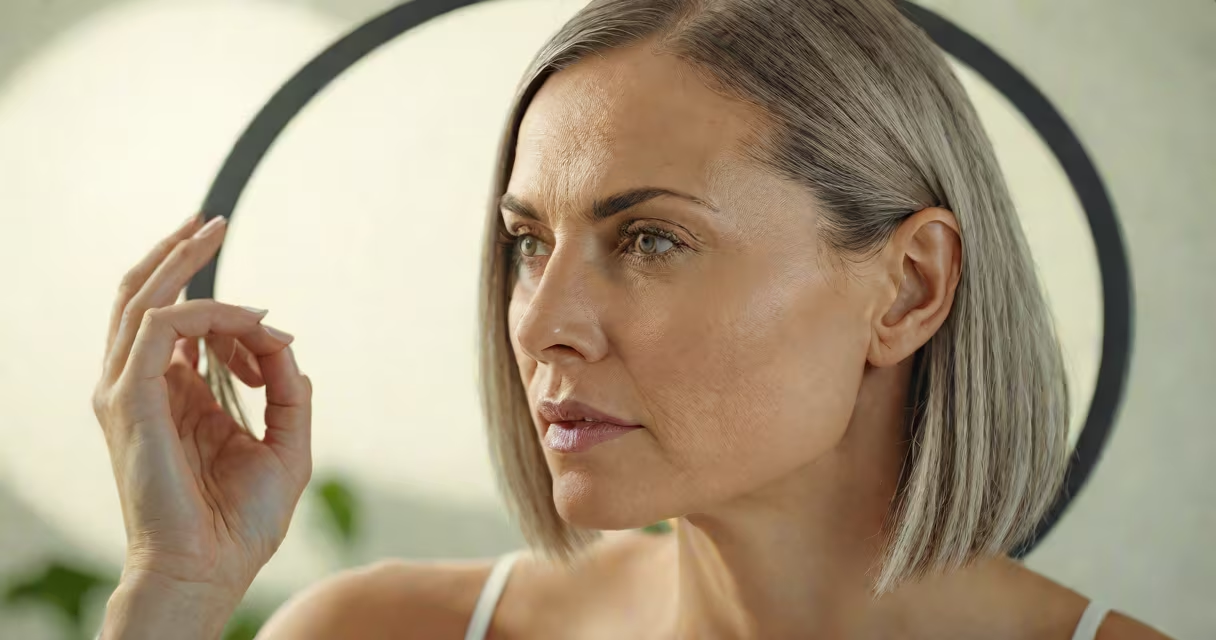
Vegan hair thinning refers to progressive reduction in hair density, particularly at the crown and frontal areas, linked to nutritional shortfalls common in plant-based diets. It arises not from veganism itself, but from inadequate intake or absorption of iron, zinc, vitamin B12, biotin, and omega-3 fatty acids-nutrients critical for hair growth cycles.
Unlike male pattern baldness, which follows a genetic blueprint, vegan hair thinning often develops gradually and may reverse with dietary correction. The condition typically appears between ages 25 and 45, though cases have emerged in individuals under 20 who adopted strict vegan diets without supplementation.
A 2022 study published in Journal of Clinical and Aesthetic Dermatology found that 36% of vegans surveyed reported noticeable hair shedding, compared to 18% of omnivores. This gap highlights how dietary choices influence hair health-but only when essential nutrients are missing.
Hair follicles cycle through phases: anagen (growth), catagen (transition), and telogen (rest/shedding). A balanced diet supports prolonged anagen phases. When key nutrients drop below threshold levels, follicles shorten their growth phase and enter telogen prematurely-leading to increased shedding and visible thinning.
For example, low serum ferritin (iron storage) below 30 ng/mL correlates strongly with telogen effluvium-a condition where up to 30% of hairs shed simultaneously. Vegans are at higher risk because plant-based iron (non-heme) has lower bioavailability than animal-source iron (heme).
Even with consistent food intake, absorption issues can arise. Phytates in legumes and whole grains bind minerals like zinc and iron, reducing uptake. Without proper meal timing or enhancers like vitamin C, these nutrients fail to reach effective blood concentrations.
Deficiencies in four core nutrients are most frequently tied to vegan hair thinning:
| Nutrient | Recommended Daily Intake (Vegans) | Deficiency Threshold | Primary Plant Sources |
|---|---|---|---|
| Iron (non-heme) | 18 mg/day | Serum ferritin < 30 ng/mL | Lentils, spinach, fortified cereals |
| Zinc | 11 mg/day | Plasma zinc < 70 µg/dL | Pumpkin seeds, cashews, chickpeas |
| B12 | 2.4 µg/day | serum B12 < 200 pg/mL | Fortified nutritional yeast, supplements |
| Biotin | 30 µg/day | Not well-defined, but low levels linked to hair loss | Oats, almonds, sweet potatoes |
One patient in a 2021 case report from the British Journal of Dermatology experienced severe hair thinning after six months on a raw vegan diet. Blood tests revealed ferritin at 12 ng/mL, B12 at 110 pg/mL, and zinc at 62 µg/dL-all below optimal ranges. After adding a B12 supplement, iron-rich meals with citrus, and zinc-fortified foods, hair shedding decreased within 90 days.
Biotin supplementation without confirmed deficiency can worsen outcomes. Excess biotin interferes with lab tests for thyroid hormones and vitamin D, leading to misdiagnosis. A 2023 review in Endocrine Connections warned that high-dose biotin users had falsely normal thyroid results in 41% of cases.
Many assume vegan hair thinning stems from protein deficiency. While protein is important, most plant-based eaters consume adequate amounts-average daily intake exceeds 60 grams, far above the 50g minimum recommended by the World Health Organization.
Another myth is that all plant-based diets cause hair loss. That's false. A 2020 longitudinal study in Frontiers in Nutrition tracked 1,200 adults over five years. Those following well-planned vegan diets with regular blood monitoring showed no greater hair loss incidence than omnivores.
Some confuse telogen effluvium with androgenetic alopecia. The former presents as diffuse thinning across the scalp, often triggered by stress, illness, or nutrient drops. The latter shows a receding hairline and crown thinning-patterns driven by genetics and dihydrotestosterone (DHT). Distinguishing them requires clinical evaluation, including scalp biopsy or trichoscopy.
After noticing clumps of hair in her shower drain, Maya, a software engineer from Portland, scheduled a dermatologist visit. She'd followed a whole-food vegan diet for three years, consuming beans, greens, nuts, and occasional supplements.
Bloodwork revealed ferritin at 10 ng/mL, B12 at 130 pg/mL, and zinc at 65 µg/dL. Her doctor diagnosed telogen effluvium secondary to nutrient deficiency. She began taking a vegan B12 supplement (1,000 mcg weekly), added pumpkin seeds (1 oz daily), and paired lentil stew with bell peppers and lemon juice to boost iron absorption.
Within four months, her hair shedding dropped from 150 strands per day to fewer than 50. By month six, new growth appeared at the hairline. She now checks ferritin annually and includes a vitamin C-rich snack with every iron-heavy meal.
If hair thinning persists beyond three months despite dietary adjustments, consult a dermatologist or registered dietitian specializing in hair health. Blood tests should include ferritin, B12, zinc, and thyroid-stimulating hormone (TSH).
Early intervention prevents permanent miniaturization of follicles. Once follicles shrink to less than 1 mm in diameter, regrowth becomes unlikely without medical treatment like minoxidil or low-level laser therapy.
Understanding the root cause of vegan hair thinning allows for precise correction. It's not a flaw in the diet-it's a gap in planning. With proper nutrition and monitoring, hair health can improve even after visible thinning begins.
Addressing vegan hair thinning isn't about abandoning plant-based eating. It's about aligning food choices with biological needs. When done correctly, a vegan lifestyle supports strong, healthy hair.