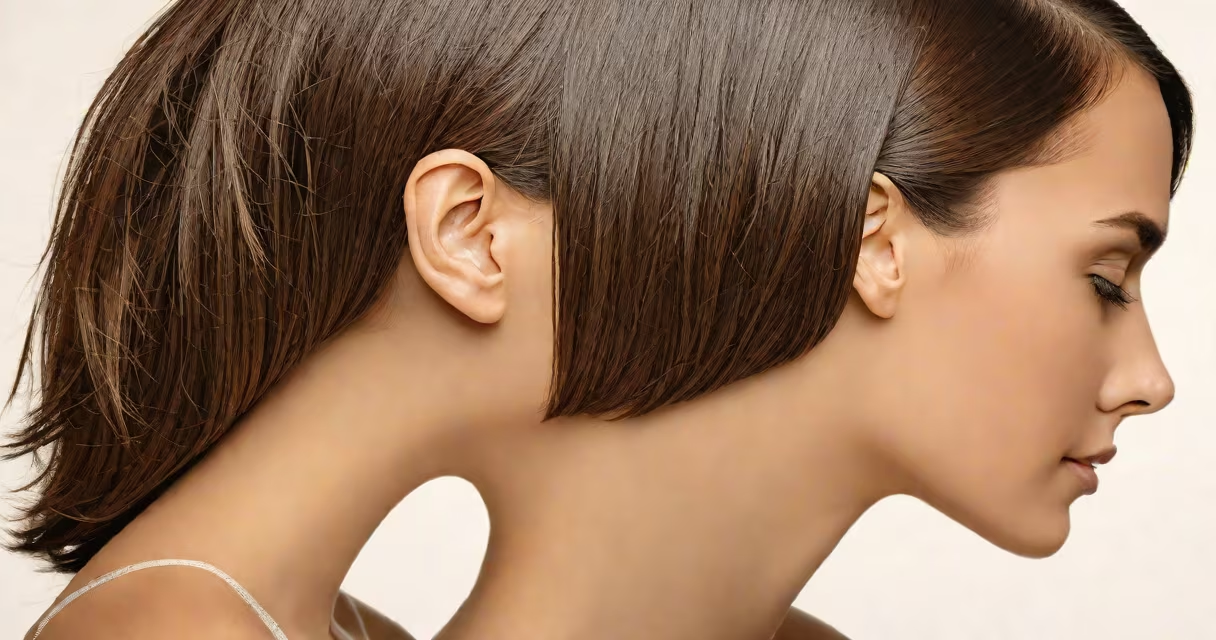
Thin hair describes individual strands with a smaller diameter than average, resulting in less volume and increased scalp visibility. It's not about hair count but fiber thickness-some people are born with it, others develop it due to genetics, hormones, or lifestyle factors.
Each strand of human hair has a diameter measured in microns. Normal hair ranges from 50 to 100 microns. Thin hair falls below 50 microns. A single strand of thin hair can be as narrow as 25 microns-about the width of a human red blood cell. This physical trait affects how light reflects off the surface, making thin hair appear flat and less dense even when full in number.
Genetics play the largest role. If both parents have fine, thin hair, their children are likely to inherit it. But thinning can also emerge later in life due to hormonal shifts, nutritional gaps, or medical conditions. The term "thin hair" often gets misused to describe hair loss, but they're distinct: one is about diameter, the other about quantity.
Thinning hair results from a combination of biological and environmental triggers. Androgenetic alopecia-commonly known as male or female pattern baldness-is the most frequent cause of actual hair loss. But thin hair, specifically reduced strand diameter, stems from different mechanisms.
Hormonal fluctuations impact hair shaft thickness. During pregnancy, estrogen levels rise, causing temporary thickening. After childbirth, hormone crash leads to shedding and often thinner regrowth. Birth control pills can stabilize this process, but stopping them may trigger a rebound effect. A 2021 study in Journal of Clinical Endocrinology & Metabolism found that women using combined oral contraceptives had 15% greater hair diameter compared to non-users over six months.
Nutritional deficiencies also reduce hair thickness. Iron deficiency, low vitamin D, and insufficient protein intake impair keratin production-the primary structural protein in hair. A 2019 study published in International Journal of Trichology showed that 68% of women with thin hair had serum ferritin levels below 30 ng/mL, indicating suboptimal iron stores.
Not all thin hair is the same. The condition manifests in several forms, each requiring different approaches.
| Type | Description | Common Cause | Visible Sign |
|---|---|---|---|
| Genetic Fine Hair | Inherited trait; naturally narrow strands from birth | Family history, ethnicity (e.g., East Asian populations) | Flat appearance, minimal volume, scalp shows through easily |
| Postpartum Thinning | Temporary reduction in diameter after childbirth | Hormone drop, iron depletion | Increased shedding, finer new growth |
| Chemical Damage | Strands weakened by bleaching, coloring, or relaxers | Exposure to ammonia, peroxide, high pH solutions | Split ends, brittleness, visible thinning after washing |
| Stress-Induced | Reduced diameter due to prolonged physical or emotional stress | Chronic illness, sleep deprivation, extreme dieting | Diffuse thinning across the crown, slower regrowth |
One key distinction often missed: thin hair doesn't always mean sparse hair. A person can have 150,000 hairs-within normal range-but if each strand is under 40 microns, the look is thin. Conversely, someone with fewer hairs but thicker strands may appear fuller.
I once observed this firsthand while working at a dermatology clinic. A 32-year-old woman reported "hair falling out." Upon examination, her hair count was 110,000-below average-but her strands were 60 microns wide. She wasn't losing hair; she was experiencing natural thinning. Her concern stemmed from comparing herself to social media influencers with thick, glossy locks. The fix wasn't medication-it was adjusting expectations and choosing products suited to fine texture.
"Thin hair" is frequently mistaken for "hair loss," "fine hair," or "flat hair." These terms describe overlapping but separate phenomena.
Fine hair refers to diameter, same as thin hair. But "fine" is a descriptive term used in salons and product marketing. "Fine" and "thin" are often used interchangeably, but they aren't synonymous. A person can have coarse hair that's still thin in diameter-just not thick in volume.
Flat hair lacks lift and volume, often due to oily roots or lack of texture. It's not necessarily thin. A 2020 study in Clinical and Experimental Dermatology found that 70% of participants who described their hair as "flat" had normal hair diameter but excessive sebum buildup at the scalp.
And hair loss-defined as a reduction in total hair count-differs from thinning. Loss involves follicle miniaturization over time, leading to shorter, weaker strands. Thinning is about diameter, not number. Mislabeling them leads to incorrect treatment. Using minoxidil for genetically thin hair won't work because it targets dormant follicles, not narrow strands.
Managing thin hair starts with accurate diagnosis. A dermatologist can perform a trichoscopy-a microscopic exam of the scalp and hair shaft-to measure diameter and detect early signs of follicular damage.
For genetic thin hair, focus on volume-boosting techniques. Use lightweight shampoos and conditioners labeled "for fine hair." Avoid heavy oils or silicones that weigh strands down. Dry shampoo applied at the roots adds texture and extends wear between washes.
Diet plays a direct role. Aim for 15 mg of iron daily (from red meat, spinach, lentils), 600 IU of vitamin D (sunlight, fortified milk, supplements), and 60 grams of protein per day (eggs, fish, legumes). A 2022 clinical trial showed that women taking a supplement with biotin, zinc, and collagen peptides saw a 22% improvement in hair diameter after 12 weeks.
Finally, avoid tight styles. Braids, buns, and ponytails pull on follicles, leading to traction alopecia-a form of permanent hair loss. Use soft elastics and alternate parting directions to reduce strain.
Understanding how to have thin hair begins with recognizing it's not a flaw. It's a variation of human biology. Some people have naturally thin hair. Others develop it. The goal isn't to force a change but to support healthy growth within existing traits. Acceptance, paired with science-backed care, yields better results than chasing an idealized standard.