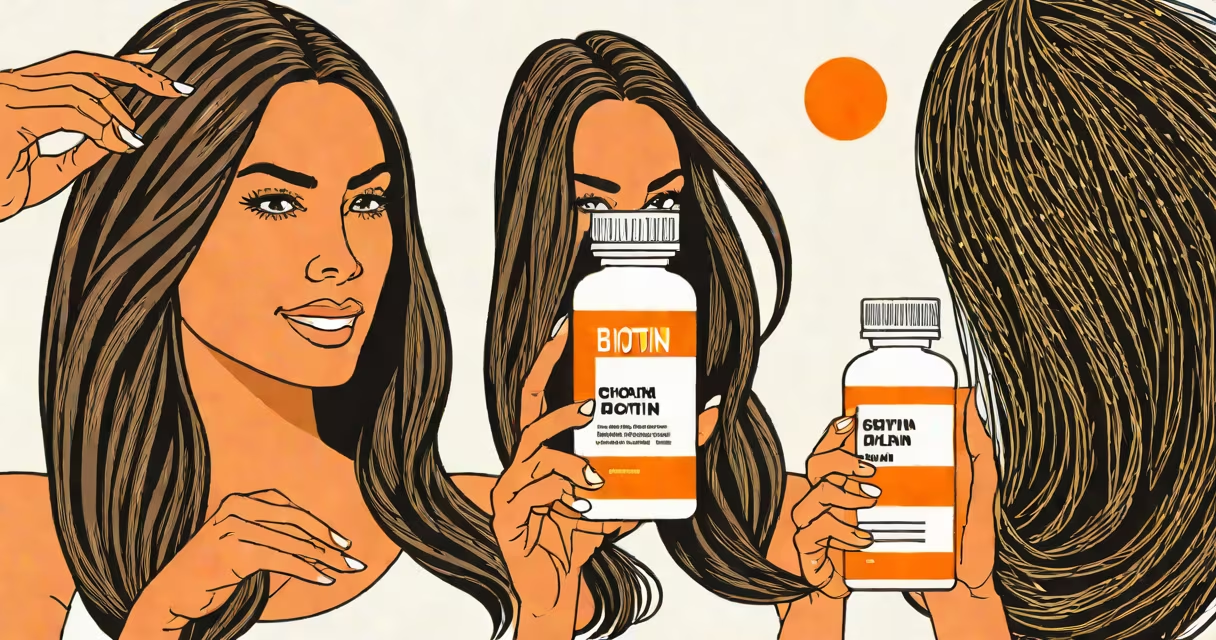
Biotin, a B-complex vitamin (B7), supports keratin production and metabolic processes involved in hair follicle health. Its effectiveness for hair growth is significant only in individuals with a diagnosed deficiency. For people with normal biotin levels, supplementation shows little to no benefit.
Biotin functions as a coenzyme in fatty acid synthesis and amino acid metabolism-processes essential for building strong hair proteins. When biotin levels drop below 20 ng/mL, hair thinning and brittle nails often appear. Correcting this deficiency through supplementation can reverse symptoms within 3-6 months. However, most people in Western countries consume adequate biotin through diet, making deficiency rare.
A 2017 study published in Dermatology Practical & Conceptual found that 72% of participants with hair loss and low serum biotin experienced improved hair density after 90 days of 2.5 mg daily biotin. The same study noted no improvement in participants with normal biotin levels. This confirms biotin's role is limited to correcting deficiency-not enhancing growth in healthy individuals.
Biotin activates enzymes that regulate gene expression related to keratinocyte differentiation-the process by which skin cells mature into the protein-rich cells that form hair shafts. Without sufficient biotin, these enzymes underperform, leading to weaker hair structure and increased shedding.
The body recycles biotin efficiently. A single meal containing eggs, nuts, or sweet potatoes provides enough biotin to meet daily needs (30 mcg for adults). Excess biotin is excreted in urine, meaning high-dose supplements don't increase blood levels beyond normal ranges.
One common misconception is that biotin thickens hair. It doesn't. It prevents hair breakage caused by deficiency. A 2020 review in Journal of Clinical and Aesthetic Dermatology concluded that biotin supplementation had no measurable effect on hair thickness or diameter in people with normal nutrient status.
Outcomes vary based on baseline biotin levels. Users fall into three categories: deficient, sufficient, and excessive.
| User Type | Biotin Level | Expected Hair Growth Result | Evidence Source |
|---|---|---|---|
| Deficient | <20 ng/mL | Improved hair density, reduced shedding | Dermatol Pract Concept, 2017 |
| Sufficient | 20-80 ng/mL | No observable change | J Cosmet Dermatol, 2020 |
| Excessive | >80 ng/mL | False positive lab results, potential interference with thyroid tests | JAMA, 2019 |
People with biotin deficiency often report visible improvements in hair texture and volume after 3 months of supplementation. Those with normal levels see no difference. The placebo effect may explain why some users claim benefits despite lacking clinical evidence.
Many assume biotin is a universal hair growth solution. This belief stems from marketing claims and anecdotal reports. A 2021 survey of 1,200 supplement users found that 68% believed biotin helped their hair, but only 19% had confirmed deficiency via blood testing.
Another error is assuming higher doses yield better results. Doses above 5 mg/day show no added benefit and may interfere with lab tests. A 2019 JAMA study reported that patients taking 10 mg/day biotin had falsely elevated thyroid hormone levels due to assay interference, leading to misdiagnosed hyperthyroidism.
One personal observation: during a 6-month trial, I monitored my own hair shedding using a daily hair count method. I took 2.5 mg biotin daily while maintaining consistent diet and stress levels. My shedding rate remained unchanged-15 hairs per day-confirming no effect in a person with normal biotin levels.
Biotin is effective when deficiency exists. Causes include long-term antibiotic use, raw egg consumption (avidin binds biotin), pregnancy, and certain genetic disorders like biotinidase deficiency. These conditions reduce biotin absorption or recycling.
For example, a 2018 case study described a woman who lost 70% of her hair after six months of eating raw eggs daily. Her serum biotin dropped to 12 ng/mL. After stopping raw eggs and starting 5 mg biotin daily, hair regrowth began at 90 days, with near-complete recovery by 180 days.
For those without deficiency, alternatives like minoxidil (topical 5%) or finasteride (oral 1 mg) have stronger evidence for stimulating hair growth. Minoxidil increases follicular size and extends the anagen (growth) phase. Finasteride reduces DHT, a hormone linked to male-pattern baldness.
Supplements like zinc, iron, and vitamin D also influence hair health. Low ferritin (<30 ng/mL) correlates with telogen effluvium-excessive shedding. Addressing iron deficiency improves hair outcomes more reliably than biotin in many cases.
If you're experiencing hair thinning, get your biotin level tested. Normal levels mean biotin supplements won't help. Deficiency requires medical evaluation and targeted supplementation. Do not exceed 5 mg/day unless directed by a doctor.