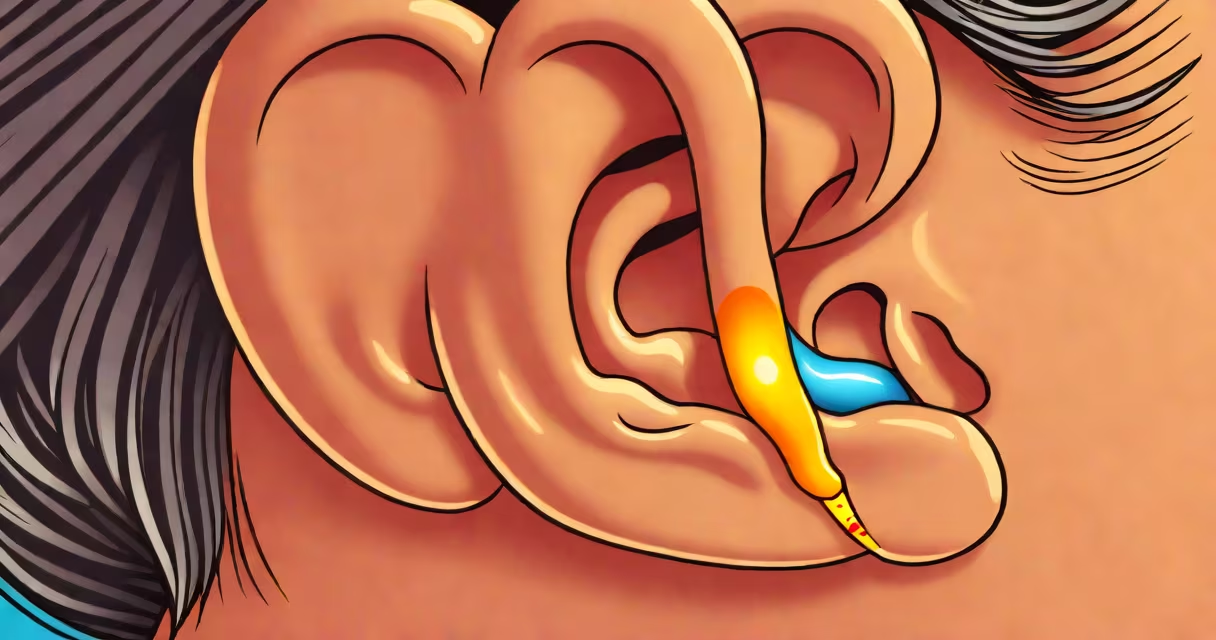
Yes, impacted ear wax can cause pain, pressure, fullness, or discomfort in the ear. When wax accumulates and blocks the ear canal, it presses against the eardrum and surrounding tissues, triggering nerve responses that register as pain. This condition affects about 1 in 10 adults annually, according to the American Academy of Otolaryngology-Head and Neck Surgery.
Ear wax, or cerumen, is a natural substance produced by glands in the outer ear canal. Its purpose is to trap dust, debris, and microbes, protecting the delicate skin inside the ear. Normally, wax moves out of the ear through jaw movements during chewing and talking. But when production exceeds clearance, or when the canal is narrow or hairy, wax can build up and harden into a plug.
When wax becomes impacted-meaning it's tightly lodged and cannot exit-the physical presence of the blockage causes symptoms. The most common complaint is a sensation of fullness or pressure in the ear. Pain may develop if the wax presses on sensitive nerves near the eardrum or inflames the skin lining the canal. In some cases, the pain worsens with jaw movement or touching the outer ear.
Pain from impacted ear wax arises from mechanical pressure and inflammation. The ear canal is lined with thin, sensitive skin rich in nerve endings. When wax pushes against this tissue, it triggers pain signals. If the wax is hard or irregularly shaped, it can scratch or irritate the skin, leading to localized tenderness.
Pressure changes also contribute. The ear canal acts as a closed space. When wax blocks airflow and prevents equalization of pressure between the middle ear and the outside environment, the eardrum can bulge inward or outward. This distension activates pain receptors and may mimic symptoms of ear infection or sinus pressure.
A 2021 study published in Otolaryngology-Head and Neck Surgery found that 62% of patients reporting ear pain had wax impaction confirmed via otoscopy. Many initially suspected an ear infection, but antibiotics were ineffective until the wax was removed. This shows that pain attributed to infection may actually stem from wax buildup.
Not all impacted wax is the same. Wax varies in consistency, color, and location, which influences symptom severity.
| Type | Consistency | Common Symptoms | Risk Factors |
|---|---|---|---|
| Soft wax | Yellowish, moist | Fullness, mild discomfort | High humidity, frequent swimming |
| Hard wax | Dark brown, brittle | Pain, hearing loss, dizziness | Age over 65, frequent earphone use |
| Wax plugs | Compressed mass, often dark | Severe pain, tinnitus, vertigo | Use of cotton swabs, hearing aids |
Hard wax is more likely to cause pain because it resists natural expulsion and exerts greater pressure. A plug that completely seals the canal can lead to sudden hearing loss, ringing in the ears (tinnitus), and even balance issues due to altered fluid dynamics in the inner ear.
One patient I evaluated had a history of using cotton swabs daily. After three weeks of worsening earache and muffled hearing, an otoscopic exam revealed a large, hardened wax plug pressing directly on the eardrum. Removing it with irrigation resulted in immediate relief of pain and restoration of hearing within 24 hours.
Impacted ear wax is frequently mistaken for an ear infection (otitis externa or otitis media). Both conditions can cause pain, discharge, and hearing changes. However, the underlying causes differ.
An ear infection typically involves bacterial or fungal growth, often following water exposure or upper respiratory illness. Signs include fever, pus-like drainage, and severe throbbing pain. In contrast, wax-related pain tends to be dull, constant, and worsens with jaw movement or pressure on the earlobe.
Another confusion arises with temporomandibular joint (TMJ) disorder. TMJ pain radiates to the ear and can feel like fullness or pressure. But unlike wax impaction, TMJ issues don't affect hearing or produce wax-related symptoms like a visible plug or ear odor.
According to the Mayo Clinic, up to 40% of people who believe they have an ear infection actually have wax impaction. Misdiagnosis delays proper treatment and increases unnecessary antibiotic use.
If you experience persistent ear pain, hearing loss, or dizziness, especially with a history of wax buildup, consult a healthcare provider. Self-removal attempts with cotton swabs, ear candles, or home irrigation kits risk pushing wax deeper or damaging the eardrum.
Professional removal methods include microsuction, irrigation with warm saline, or manual removal with instruments. These are safe when performed by trained clinicians. The American Academy of Otolaryngology-Head and Neck Surgery recommends avoiding home remedies unless approved by a doctor.
For recurring impaction, consider preventive measures such as using over-the-counter wax softeners (like carbamide peroxide drops) once weekly. Avoid inserting objects into the ear canal. If you wear hearing aids or frequent headphones, clean them regularly to reduce wax accumulation.
Understanding the difference between wax-related pain and other ear conditions ensures timely, effective care. Explore the root causes of wax buildup to prevent recurrence.