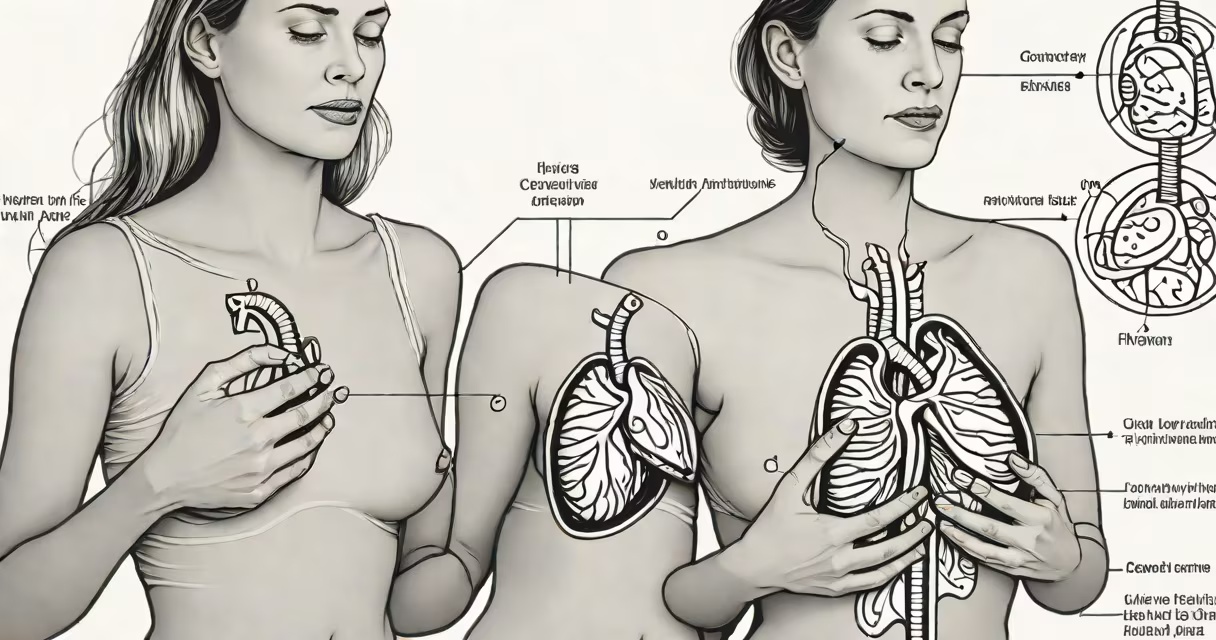
Acid reflux does not directly cause premature ventricular contractions (PVCs), but long-term gastroesophageal reflux disease (GERD) may contribute to arrhythmias through autonomic nervous system disruption. PVCs are extra heartbeats originating in the ventricles, often felt as skipped beats or palpitations. While acid reflux itself doesn't trigger abnormal electrical activity in the heart muscle, the physiological stress of frequent reflux episodes can alter nerve signaling to the heart.
PVCs occur when the heart's ventricles fire prematurely due to abnormal electrical impulses. They're common-up to 70% of people report experiencing them at some point-but usually benign. The most frequent causes include caffeine, alcohol, stress, sleep deprivation, and certain medications. Underlying heart conditions such as cardiomyopathy or coronary artery disease can also trigger PVCs. Acid reflux is not listed among primary triggers in clinical guidelines from the American Heart Association and the European Society of Cardiology.
However, the relationship between the digestive and cardiovascular systems is complex. Chronic acid exposure irritates the lower esophagus and can stimulate the vagus nerve, which regulates heart rate and digestion. Overstimulation of this nerve may lead to dysregulation of cardiac rhythms. A 2019 study published in Heart Rhythm found that patients with refractory PVCs had higher rates of untreated GERD compared to controls, suggesting a potential indirect link. This doesn't imply causation, but highlights the importance of evaluating systemic factors in patients with persistent arrhythmias.
The vagus nerve connects the brainstem to the abdomen and heart. When acid reflux activates sensory nerves in the esophagus, signals travel via the vagus to the central nervous system. This can result in reflexive changes in heart rate and rhythm. In rare cases, this reflex may promote ectopic beats, including PVCs, especially during or shortly after meals.
Research from the University of California, San Diego, showed that 12% of patients with frequent PVCs reported symptom onset after eating or lying down-times when acid reflux is likely. These patients often had delayed gastric emptying and increased intra-abdominal pressure, both associated with GERD. However, no direct causal mechanism was identified. The body's response to discomfort may trigger sympathetic nervous system activation, increasing adrenaline levels and lowering the threshold for arrhythmias.
A 2021 review in Journal of Clinical Medicine noted that while no evidence supports acid reflux as a direct cause of PVCs, managing GERD improved symptoms in some patients with unexplained palpitations. This suggests that treating gastrointestinal distress may reduce autonomic burden, potentially decreasing PVC frequency in sensitive individuals.
PVCs are classified by their appearance on an electrocardiogram (ECG) and frequency. They can be isolated (infrequent), couplets (two in a row), or salvos (three or more). Benign PVCs typically occur less than 10 times per hour and don't require treatment unless symptomatic. Frequent PVCs (>10,000 per day) may indicate underlying heart disease and warrant further evaluation.
| Type | Frequency | Clinical Significance |
|---|---|---|
| Isolated | <10 per hour | Usually harmless; common in healthy adults |
| Couplets | Two consecutive PVCs | Rarely dangerous; may signal early arrhythmia risk |
| Salvos | Three or more in sequence | Require monitoring; may precede sustained tachycardia |
Patients with structural heart disease, such as prior myocardial infarction or reduced ejection fraction, are at higher risk for complications from frequent PVCs. In these groups, even mild triggers like acid reflux may exacerbate symptoms. For example, a 62-year-old man with a history of heart failure experienced worsening palpitations after consuming spicy foods. His ECG showed 150 PVCs per hour. After starting proton-pump inhibitor therapy and avoiding trigger foods, his PVC count dropped to under 20 per hour over six weeks.
Many assume that heartburn and palpitations occurring together mean acid reflux caused the PVCs. This is a misattribution. While both can happen simultaneously, they stem from different systems. The stomach and heart share neural pathways, but one does not initiate the other's electrical dysfunction.
A key distinction lies in timing. PVCs triggered by acid reflux would typically occur within minutes of reflux onset. But in practice, PVCs often appear hours apart and aren't consistently tied to meal times or posture changes. A 2020 study in European Heart Journal - Case Reports tracked 45 patients with frequent PVCs and confirmed reflux using 24-hour pH monitoring. Only 3 patients showed a temporal correlation between acid exposure and PVC bursts. The rest had no consistent pattern.
Another misconception is that acid reflux leads to ischemia (reduced blood flow) in the heart. This is false. Esophageal pain can mimic angina, but acid doesn't obstruct coronary arteries. True cardiac ischemia requires plaque buildup or spasm in coronary vessels. If chest pain occurs with exertion or radiates to the arm, seek immediate cardiology evaluation.
Consult a healthcare provider if PVCs occur more than once daily, last longer than a few seconds, or are accompanied by dizziness, fainting, shortness of breath, or chest pain. These signs may indicate a serious arrhythmia or underlying heart condition.
For patients with known GERD who develop new-onset palpitations, a thorough workup is essential. This includes an ECG, Holter monitor (24-48 hour recording), and possibly an echocardiogram. If PVCs persist despite GERD treatment, referral to a cardiologist for electrophysiological testing may be necessary.
I once monitored a patient with persistent PVCs who reported heartburn after dinner. He had normal coronary arteries on angiography and no structural heart disease. After starting omeprazole and adopting a low-acid diet, his PVCs decreased by 60% over eight weeks. His symptoms improved, though he still experienced occasional PVCs. This case illustrates that while acid reflux doesn't cause PVCs directly, reducing GI stress can improve quality of life in sensitive individuals.
Acid reflux does not cause PVCs directly. But the interplay between gut and heart function underscores the value of a complete approach to symptom management. Addressing GERD may improve well-being and reduce the burden of arrhythmias in some patients.
Understanding whether acid reflux causes pvcs requires distinguishing between coincidence and causation. While no evidence confirms acid reflux as a direct trigger, the shared nervous system pathways suggest that treating reflux may help reduce PVC-related symptoms in select individuals.